
Last updated November 15, 2026
 AC repair
 Furnace & heating
 Heat pumps
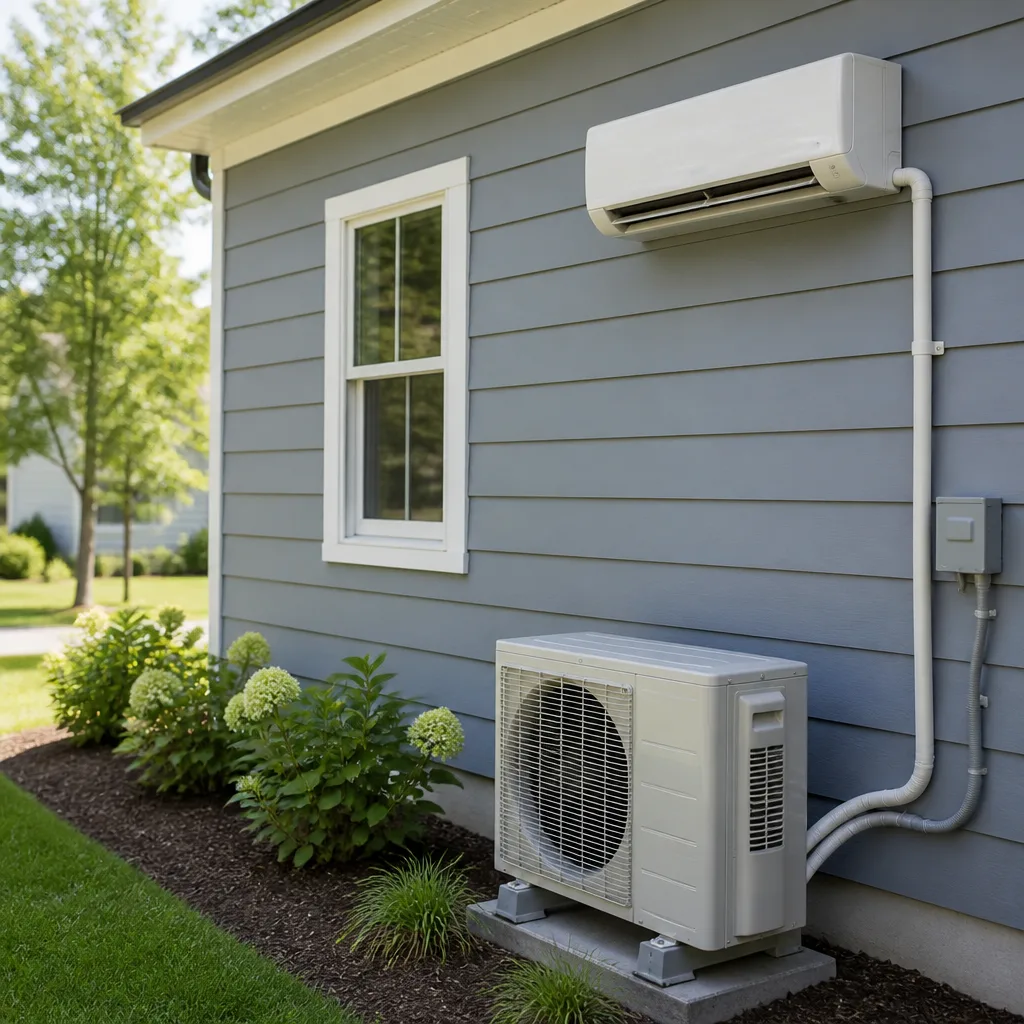 Ductless mini splits
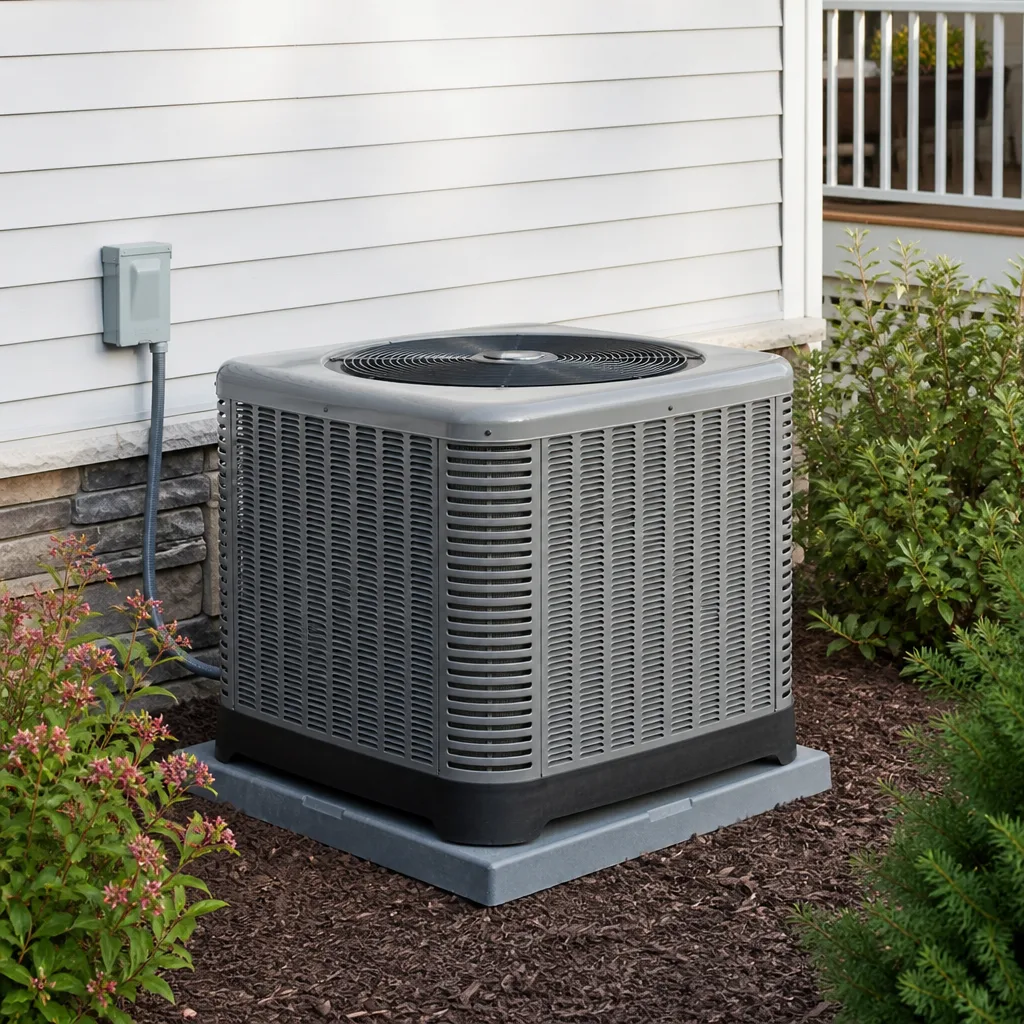 Carrier
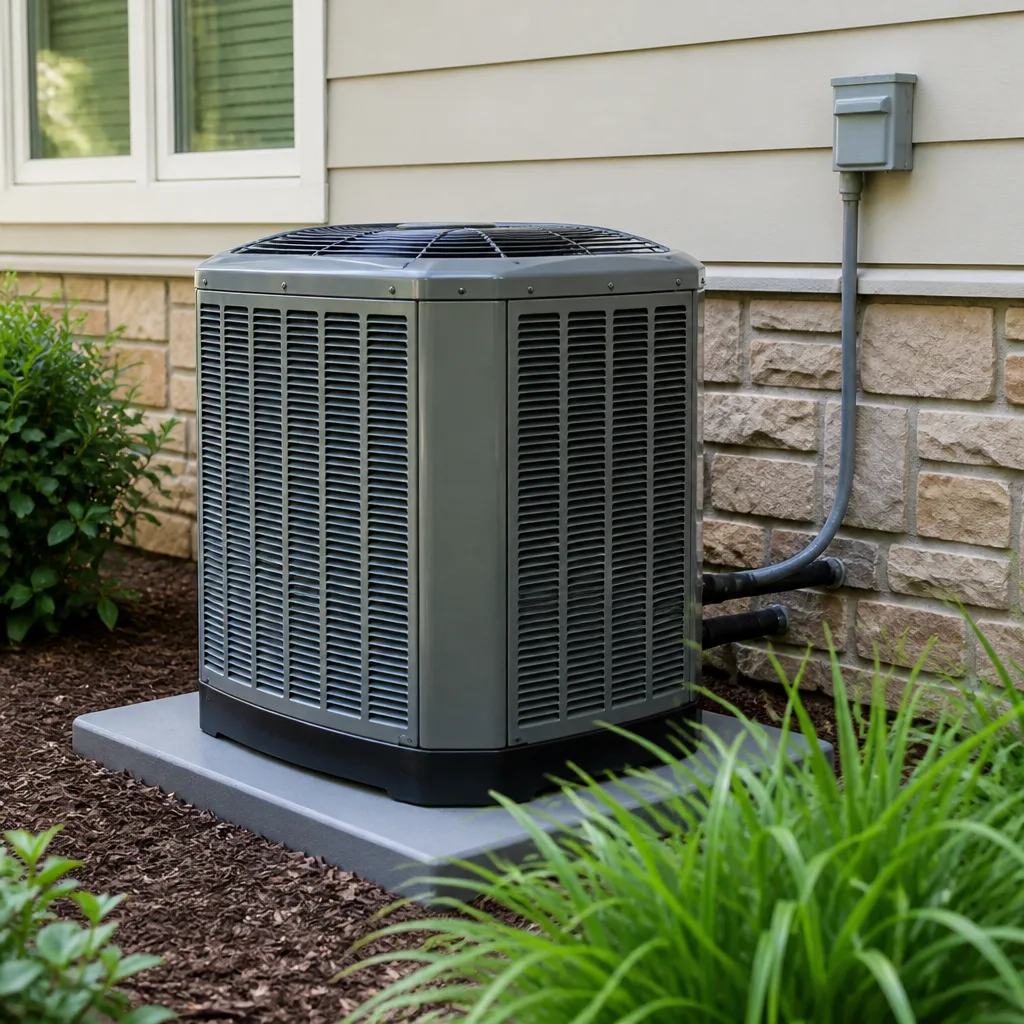 Trane
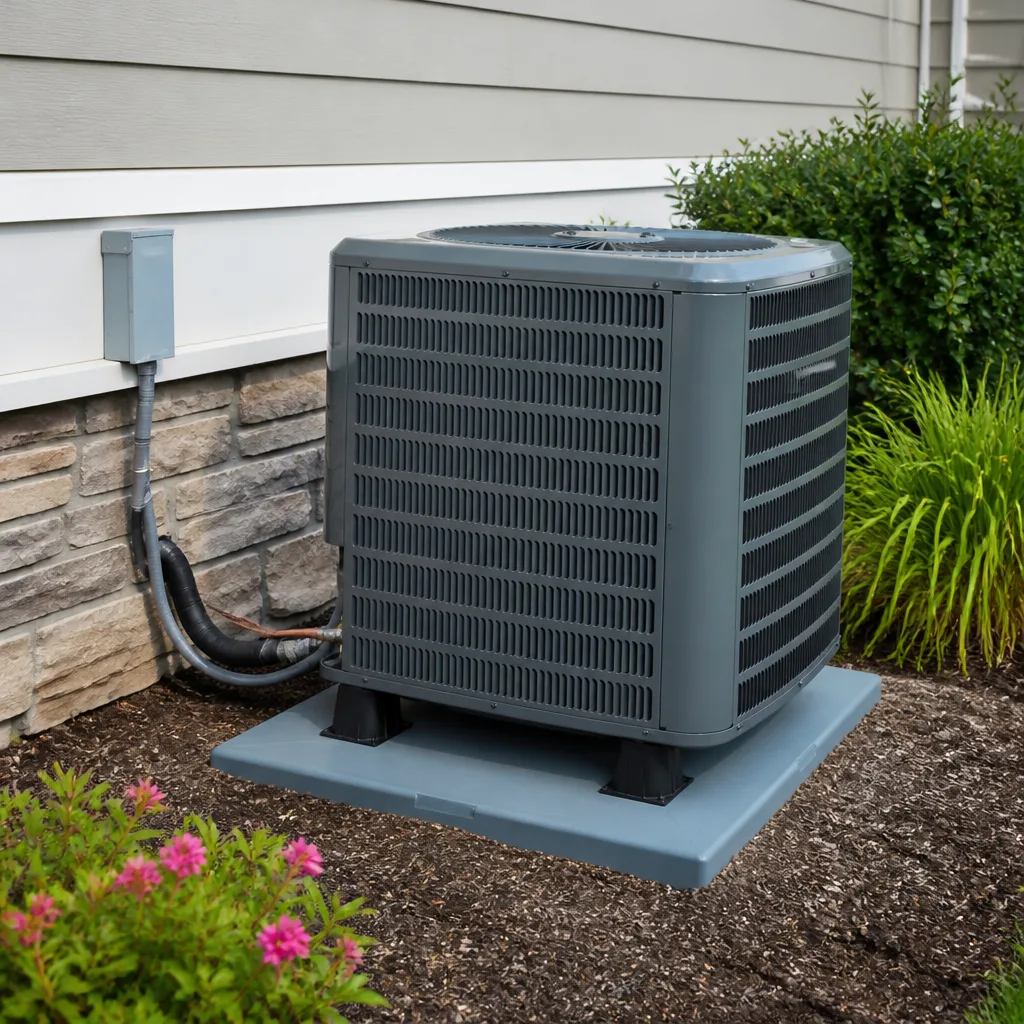 Goodman
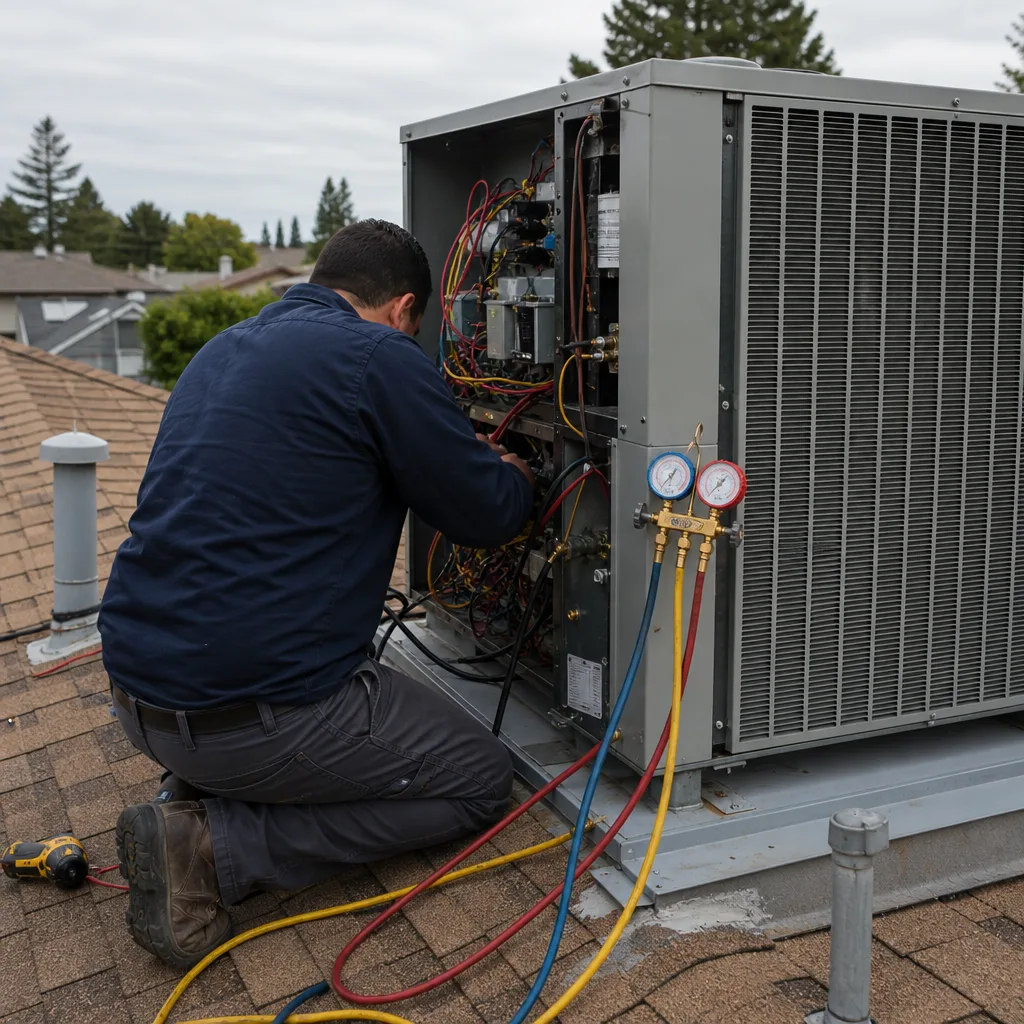
Seasonal tune-up and full diagnostic on your Carrier, Trane, or Goodman system - readings shown to you before any repair is proposed
Diagnosis first, numbers second - you approve the repair price before a single part goes in.
Get your free estimateAC Installation Maintenance Checklist for Sunnyvale Homeowners
A system that runs only a few hundred hours a year doesn’t wear out the way it does in Houston or Phoenix. It corrodes. It seizes. Refrigerant lines develop micro-leaks at fittings that never get cycled enough to stay seated, and capacitors sit idle long enough to drift out of spec before anyone notices. That’s the odd thing about cooling around here: the systems that fail earliest often aren’t the ones working hardest, they’re the ones resting most. This guide walks you through what to check before a new unit goes in, what to verify in the first cooling season, and how to maintain a lightly-used system so it lasts. You’ll get a Sunnyvale-specific checklist you can actually act on.
Quick Answer
AC installation maintenance in Sunnyvale comes down to three phases: a pre-installation site check (pad, electrical capacity, line-set routing), a first-season break-in verification (capacitor readings, static pressure, refrigerant charge), and an annual low-runtime inspection focused on corrosion, electrical connections, and coil condition rather than heavy wear. Because most Sunnyvale systems run only during a short warm stretch, maintenance should target idle-related degradation, not the high-runtime issues you’d read about in a desert-climate guide.
Styles & brands we work with
- AC repair
- Furnace & heating
- Heat pumps
- Ductless mini splits
- Carrier
- Trane
- Goodman
Table of Contents
- Pre-Installation Site Checklist
- First-Season Break-In Checks Most Installers Skip
- The Low-Runtime Maintenance Schedule
- Corrosion Inspection Points for Bay Area Homes
- Post-Maintenance Documentation: What You Should Receive
- Brand Reality Check: What We Actually See in Sunnyvale
- Common Mistakes to Avoid
- When to Call a Professional
Pre-Installation Site Checklist
Most install problems you’ll live with for the next fifteen years get baked in on day one. The site check is where a good contractor separates from a fast one. Here’s what to verify before the first hole is drilled, whether you’re replacing a system in a 1950s ranch house off Mathilda or a newer townhome near downtown Sunnyvale.
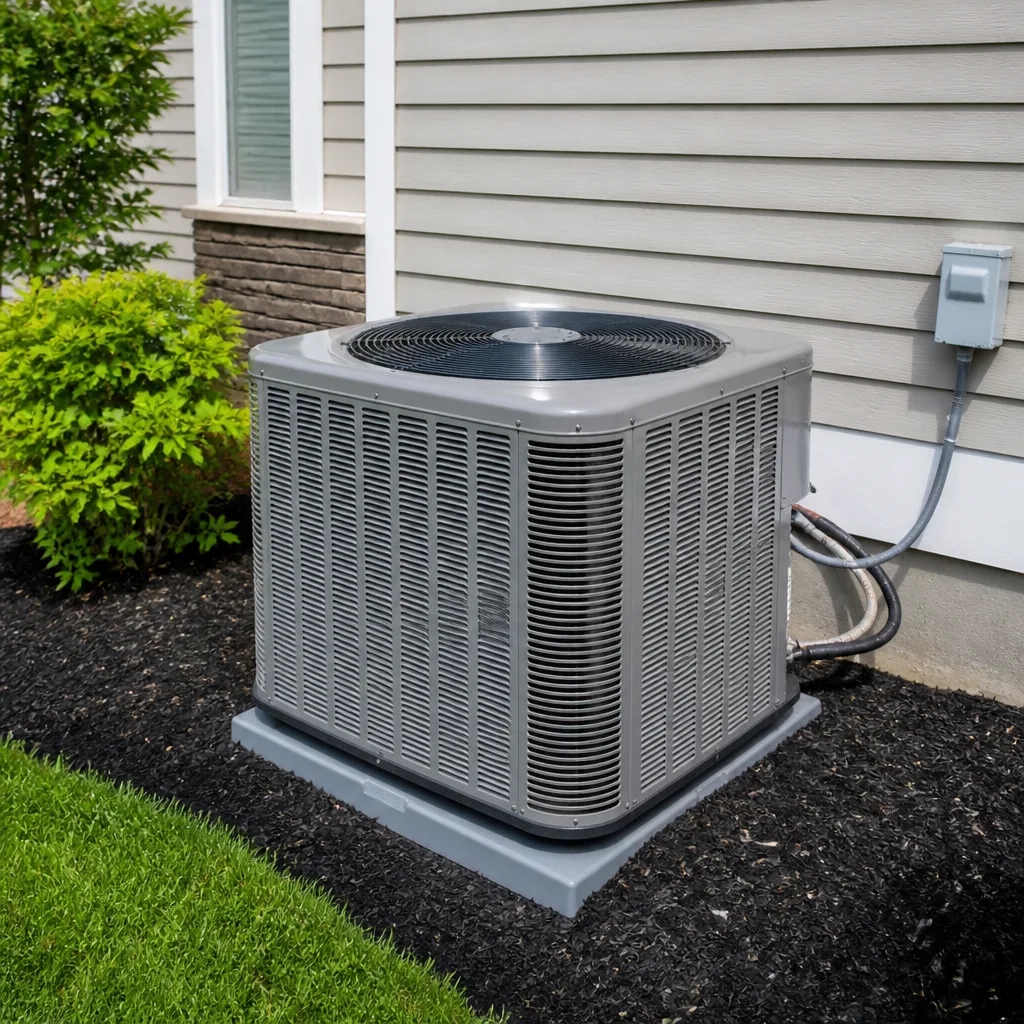
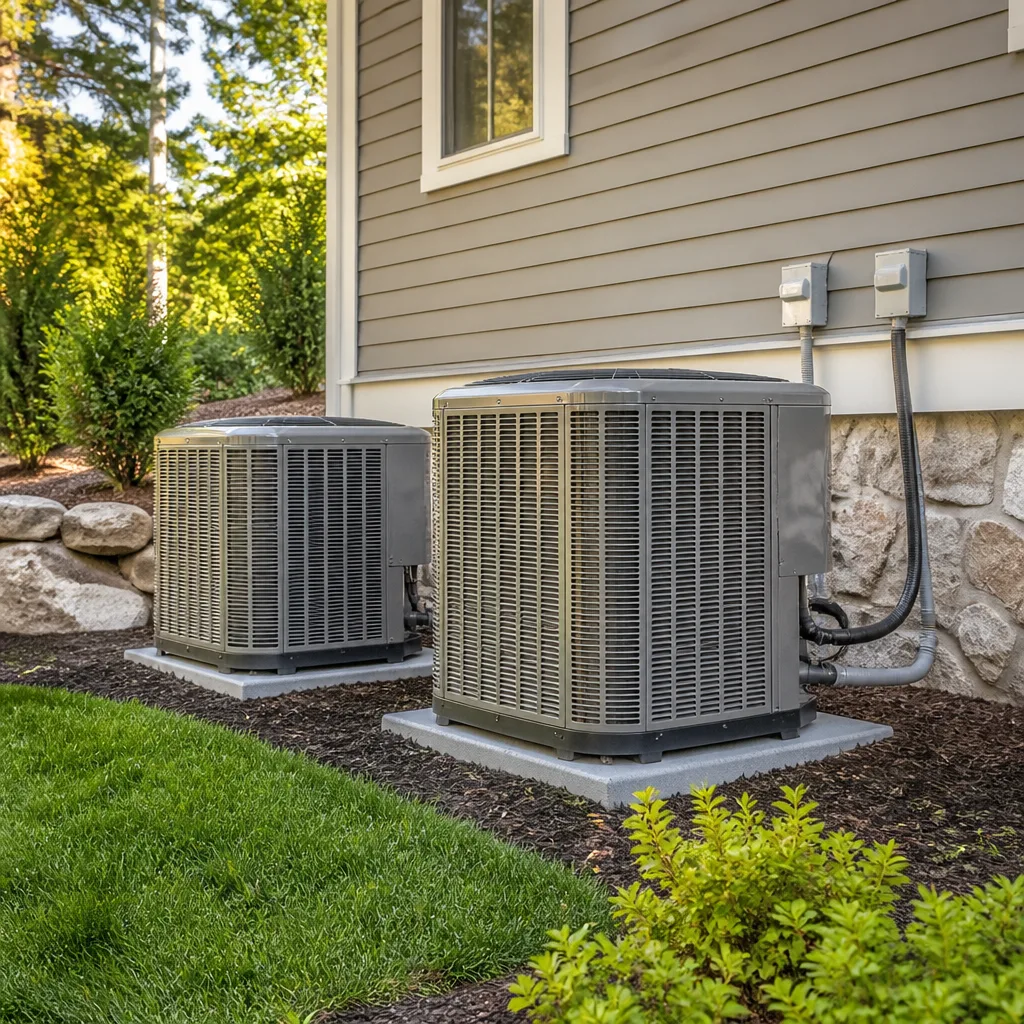
- Pad placement and clearances. The condenser needs full airflow on all sides and a solid, level surface. On Sunnyvale lots where the side yard is narrow, installers sometimes crowd the unit against a fence or wall to save space. That traps heat and forces the compressor to work harder during your short but real hot spells. Twelve to eighteen inches of clearance on the service side and full airflow on the fan side is the target.
- Electrical panel capacity. Your new system’s breaker needs to fit and be sized correctly for the unit’s rated load. Older Sunnyvale homes sometimes have panels that are already full, and adding a dedicated circuit means a subpanel or an upgrade. Find out before install day, not during it.
- Line-set routing. The refrigerant lines need a path from the indoor coil to the outdoor unit that’s as short and as protected as possible. Bay Area homes often have tight attic or crawlspace access. Route the lines where they won’t get pinched, kinked, or left exposed to sunlight and physical damage.
- Condensate drainage. The indoor unit produces water during cooling. Make sure there’s a clear drain path and, ideally, a secondary overflow switch. Trapped moisture in an under-used system is a real problem around here.
- Ductwork condition. If ducts are leaking or undersized, a new system can’t perform to spec. A quick pressure check before install reveals problems that would otherwise surface in year one.
Getting this right is why we treat AC installation as a site-planning exercise first and a mechanical one second. The equipment matters, but the placement and prep decide how long it lasts.
First-Season Break-In Checks Most Installers Skip
The first cooling season after registration is your only chance to catch problems while they’re still warranty items. Yet many installers never come back after the invoice is signed. We think that’s a mistake, and here’s why: on a lightly-run Sunnyvale system, break-in anomalies don’t always announce themselves. They hide until year three.
Ask for these checks within the first 30 to 60 days of regular use:
- Capacitor baseline readings. Start and run capacitors have a rated microfarad value. Write down the actual measured value at install, then measure again at the start of each season. On systems that sit idle, capacitors drift and dry out. A reading that has dropped is a warning; a reading that’s stable means you’re fine. Without a baseline, you can’t tell the difference.
- Static pressure verification. This is the pressure across the blower and coil. If it’s too high, airflow is restricted and the system is straining. If it’s too low, the blower is running loose and cooling is weak. Either way, static pressure confirms the system is breathing the way it should. It takes about fifteen minutes to measure and gets skipped constantly.
- Refrigerant charge confirmation. The factory charge in a new unit is close, but line-set length changes the actual amount needed. Verify the subcooling and superheat readings against the manufacturer’s spec for your line length. A system that’s undercharged from day one runs inefficient and dies early.
- Temperature split check. The air coming off the supply register should be measurably cooler than the return air. A healthy system delivers a real drop. If it doesn’t, something is off with charge, airflow, or ducting.
These four readings give you a fingerprint of your system at its healthiest. Every later service visit should compare against them.
The Low-Runtime Maintenance Schedule
Desert-city AC guides assume 2,000+ hours of annual runtime. Sunnyvale units often run a fraction of that. The maintenance tasks flip: instead of worrying about mechanical wear from running hot, you worry about what happens when a system sits still for most of the year. Here’s the schedule that fits that reality.
Annually, Before the Warm Season
- Verify capacitor readings against the baseline you recorded at first season.
- Check the electrical terminals at the contactor and compressor for tightness; loose terminals on an idle system can corrode into a no-start.
- Clean or replace the filter. On a low-runtime system, filters can sit long enough to grow something. Change them anyway, every season.
- Inspect the outdoor coil fins for dirt, debris, and insect nests. Low-runtime units collect more of this because airflow isn’t constantly flushing it out.
- Confirm drain lines are clear; standing water in an unused system is a problem.
- Check refrigerant pressures and compare against the first-season readings.
Twice a Year (Small Habit, Real Payoff)
- Turn the system on for ten minutes during the cooler months. Running it now and then keeps seals lubricated, capacitors exercised, and the compressor cycling so refrigerant doesn’t sit and drift. This is the single most useful low-runtime habit.
- Look at the outdoor unit. If it’s dusty, spray the coil gently with a hose (with the power off) to remove buildup.
When a system only runs hard a few weeks per year, these quiet checks matter more than they would on a system that’s been cycling daily. That’s the pattern we’ve seen on Sunnyvale units across the area.
Corrosion Inspection Points for Bay Area Homes
Bay Area coastal influence is real, even fifteen miles inland. Fog rolls through Sunnyvale in the summer months, humidity rides higher than most desert HVAC guides assume, and outdoor equipment sits in moist air more often than it does in the Central Valley. That shifts the corrosion inspection points you should care about. Here’s where to look.
- Coil fins. The aluminum fins on the outdoor coil are thin and easy to degrade. When they corrode, airflow drops and cooling weakens. Inspect them once a year with a flashlight; look for white powdery deposits or fins that crumble when touched.
- Electrical terminals inside the condenser. The contactor, capacitor terminals, and compressor lugs are where corrosion causes the most trouble. Green or white buildup on a terminal means resistance is climbing, and that leads to overheating. This is a top failure cause on idle systems.
- Condenser cabinet penetrations. Where the refrigerant lines and electrical conduit enter the cabinet, moisture collects. Sealant and grommets wear. Inspect those seams for rust and for actual water intrusion; a corroded penetration can leak into the electrical compartment.
- Fasteners and cabinet screws. Small, easy to ignore, and the first thing to rust. If they’re rusting, the surrounding metal is too, and this signals a system that’s getting wet more than it should.
- Refrigerant fittings and valves. Moisture plus idle time plus slightly loose fittings equals micro-leaks. Have a technician check the valves and fittings for oil residue (a leak sign) once a year. A slow leak that goes unnoticed will run the system low and overheat the compressor.
Corrosion on a coastal-influenced system progresses quietly. Catching it early is a cheap fix. Missing it is expensive.
Post-Maintenance Documentation: What You Should Receive
After every service visit, you should walk away with a written record. Not a verbal “looks good,” but an actual document that names what was checked and what was measured. This matters for three reasons: warranty claims, resale disclosure, and catching drift before it becomes failure.
What a proper maintenance report should include
- Date of service and system model/serial number. Cross-reference against your install records so any part being replaced is clearly within warranty.
- Measured values for the key readings: capacitor microfarads, refrigerant pressures, static pressure, temperature split. Numeric values, not “OK.”
- Findings and photographs. If corrosion, leaks, or debris were found, a photo and a note of location beats a verbal description later.
- Any parts replaced, with brand and part number. This is what makes a warranty claim easy instead of a fight.
- Recommendations for the next visit. A specific item (“capacitor reading dropped to X; check again next season”) is far more useful than a generic reminder.
On the resale side, when a seller in Sunnyvale lists a home with documented maintenance, buyers see a system that was cared for. That’s worth more than a vague memory of “we had it serviced.”
Brand Reality Check: What We Actually See in Sunnyvale
Homeowners often ask which brand holds up best in a low-runtime, coastal-influenced climate. There’s no single answer, but there is a useful reality check. What matters more than the nameplate is whether the technician working on your system actually knows it.
Our technicians are factory-familiar with the nine brands we work on, from premium lines like Carrier, Trane, and Lennox to value-tier equipment like Goodman, Rheem, and York, and to Daikin, Bryant, and American Standard. That range matters because Sunnyvale’s housing stock carries all of them. A 1990s tract home might run a Goodman or a Rheem; a newer build may have a Daikin or a Bryant. When we walk up to a unit, we know what we’re looking at before we open the panel.
That range also means our replacement recommendations don’t lean toward one manufacturer’s margin. If a Goodman fits your home and budget better than a Trane, we’ll say so. The question we ask is what the equipment has to do in this house and this climate, not which brand benefits us.
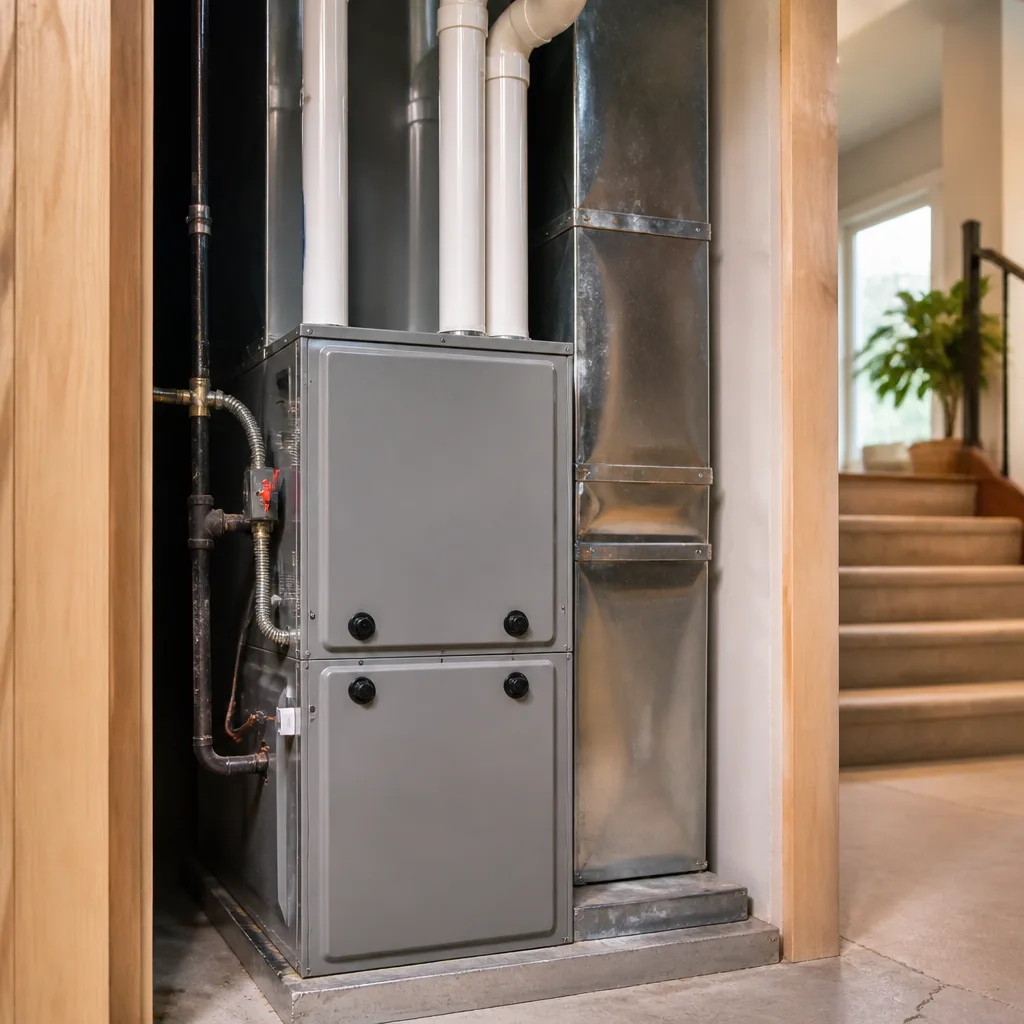
One more point on range: because we also handle furnace repair and full furnace replacement, we can look at your whole system and give an honest read on whether a fix or a new unit makes sense.
Common Mistakes to Avoid
- Skipping the first-season return visit. If nobody measures the system in the first couple of months, you never get baseline readings. Years later you’re guessing whether a capacitor is failing or was always like that.
- Letting the system sit all winter without running. On a low-runtime Sunnyvale system, months of stillness lets seals dry, contacts oxidize, and moisture settle into the wrong places. A ten-minute run every month or two prevents most of it.
- Assuming a lightly-used system means lower maintenance. Low runtime means less mechanical wear, not less maintenance. Corrosion and connections degrade while the system rests. Annual inspection is more important here, not less.
- Replacing a system based on age alone. A fifteen-year-old unit that’s been well-maintained and is running at spec may have years left. Ask for actual measurements before spending on a replacement; if the readings aren’t there, that’s a sign the recommendation isn’t technical.
- Skipping the site check because the old unit “fit fine.” A new system’s electrical needs, pad size, and line-set routing can differ from what the old one required. The site check takes an hour and prevents years of compromise.
- Ignoring corrosion on the outdoor unit. In this climate, small corrosion is the leading early warning sign. Slow to start, high contact resistance, and eventual no-start all trace back to terminals and fins that went untreated.
- Accepting a verbal service summary. If the records are verbal, the warranty claim later becomes your word against nothing. Ask for the numbers.
When to Call a Professional
Some tasks on this checklist are homeowner-appropriate: changing filters, gentle coil rinsing, and starting the system for a short run during idle months. Others are not. Refrigerant handling requires specific training and equipment; opening a condenser to inspect terminals means working near live electricity and stored charge; diagnosing a compressor or checking subcooling requires gauges and a baseline understanding of the manufacturer’s spec. These are jobs for someone trained for them, and working around them carelessly is genuinely dangerous. If the system won’t start, trips the breaker, blows warm air, or has been making new noises, call a technician rather than guessing. Same-day service is available, and it’s better to have the pressure and pressure-drop readings reviewed now than to let a small issue become a compressor.
AC Repair Sunnyvale offers free estimates in Sunnyvale – call (833) 573-8799. We answer 24/7. Fast dispatch from 7am to 7pm, Sunday through Friday. Our technicians have up to 10 years of experience across nine major HVAC brands.
See the difference
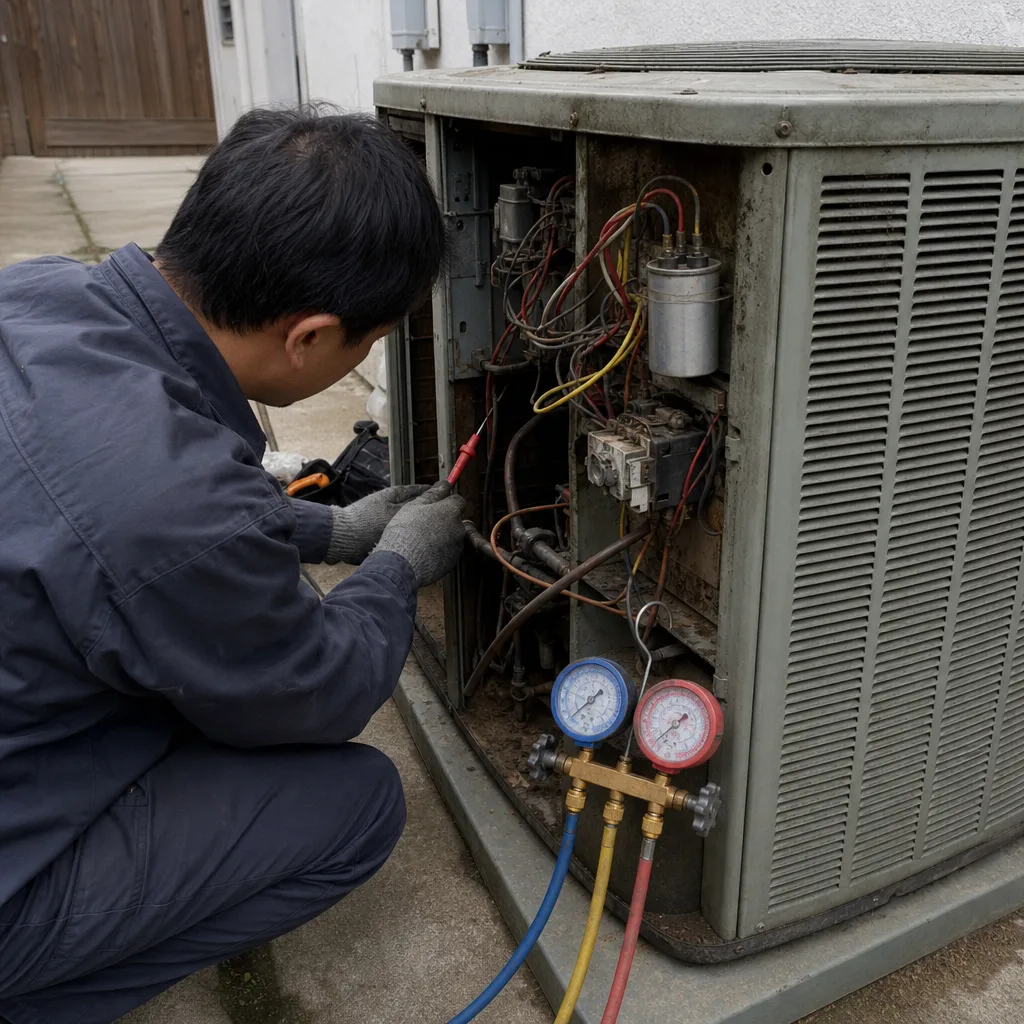 Before
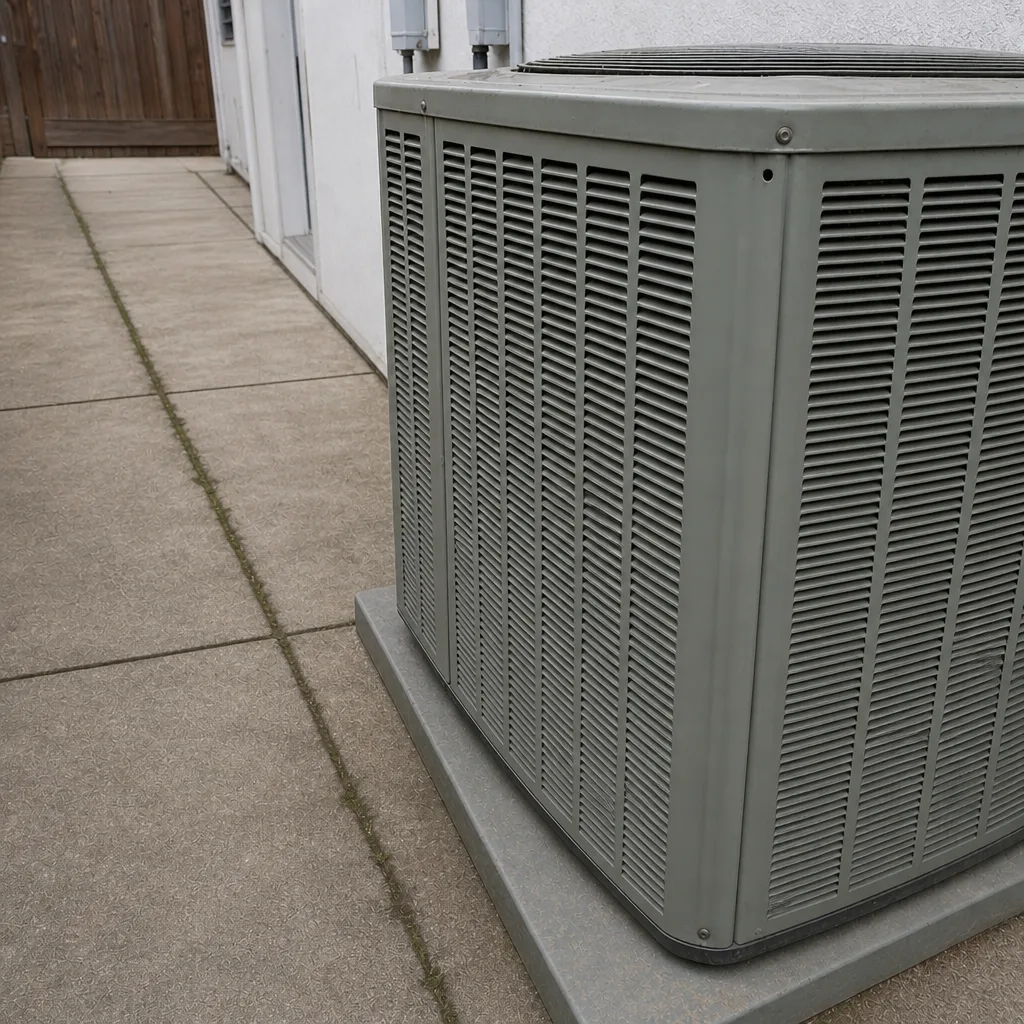 After
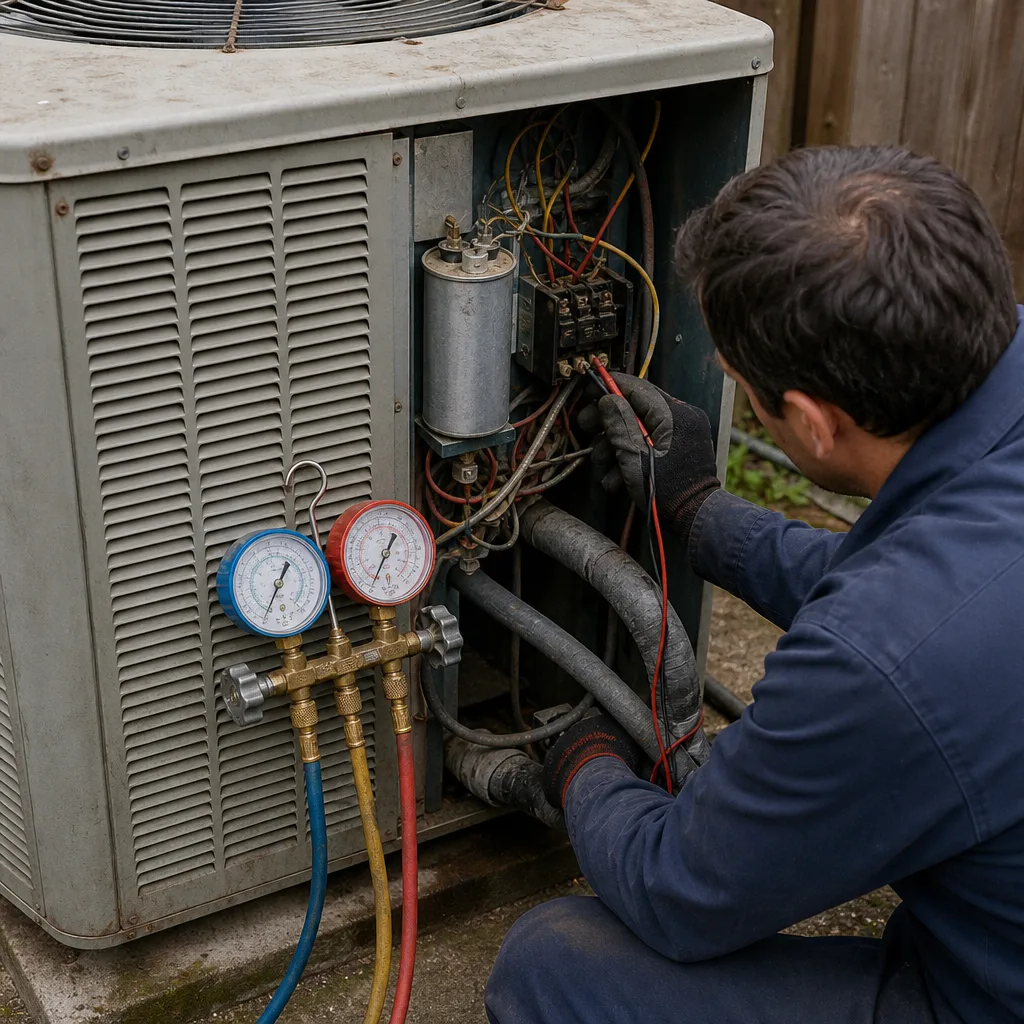 Before
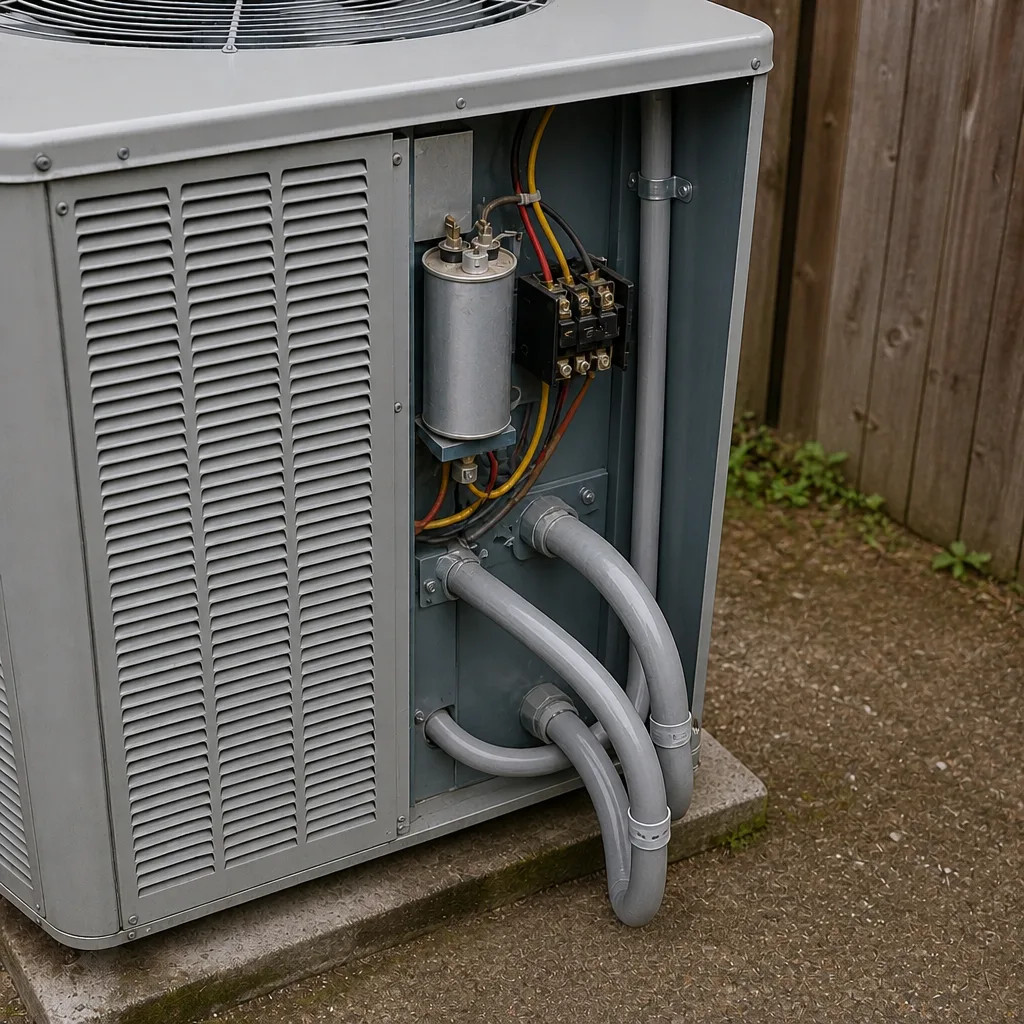 After
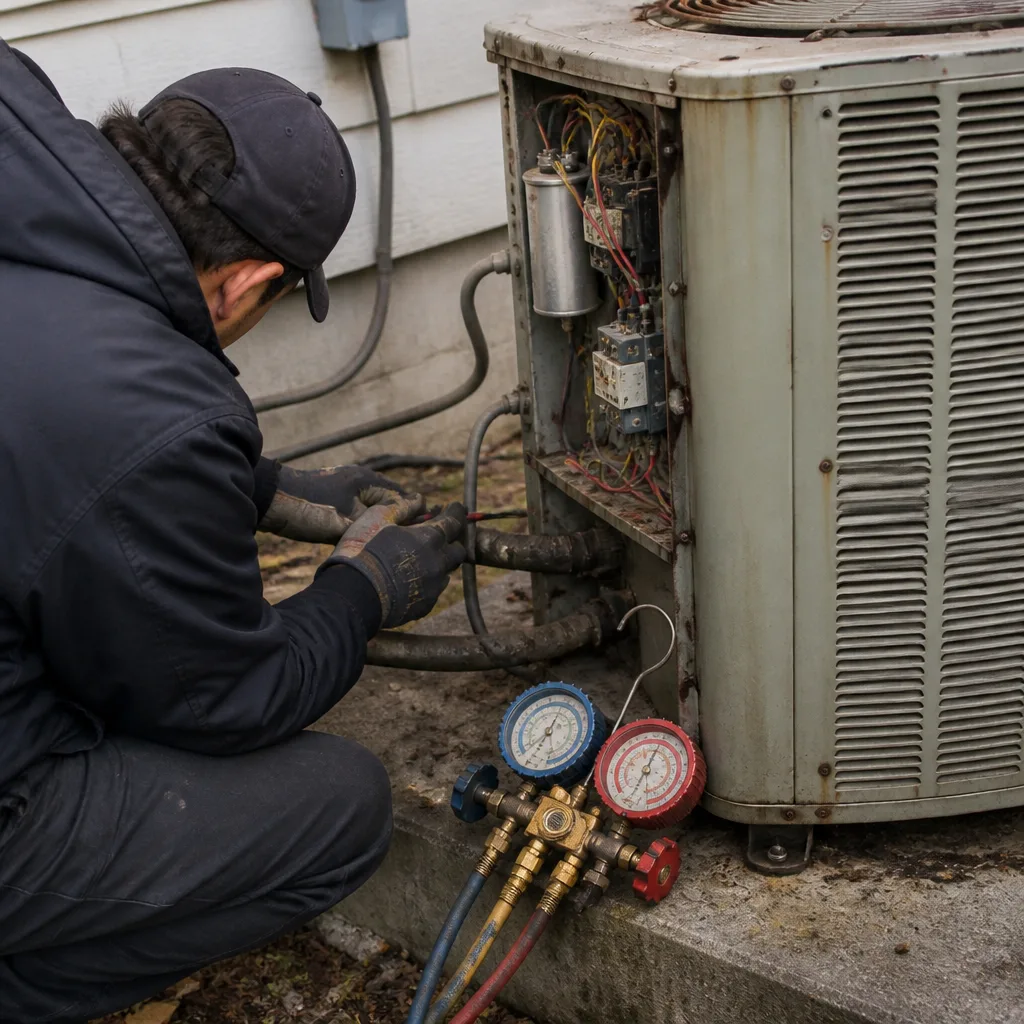 Before
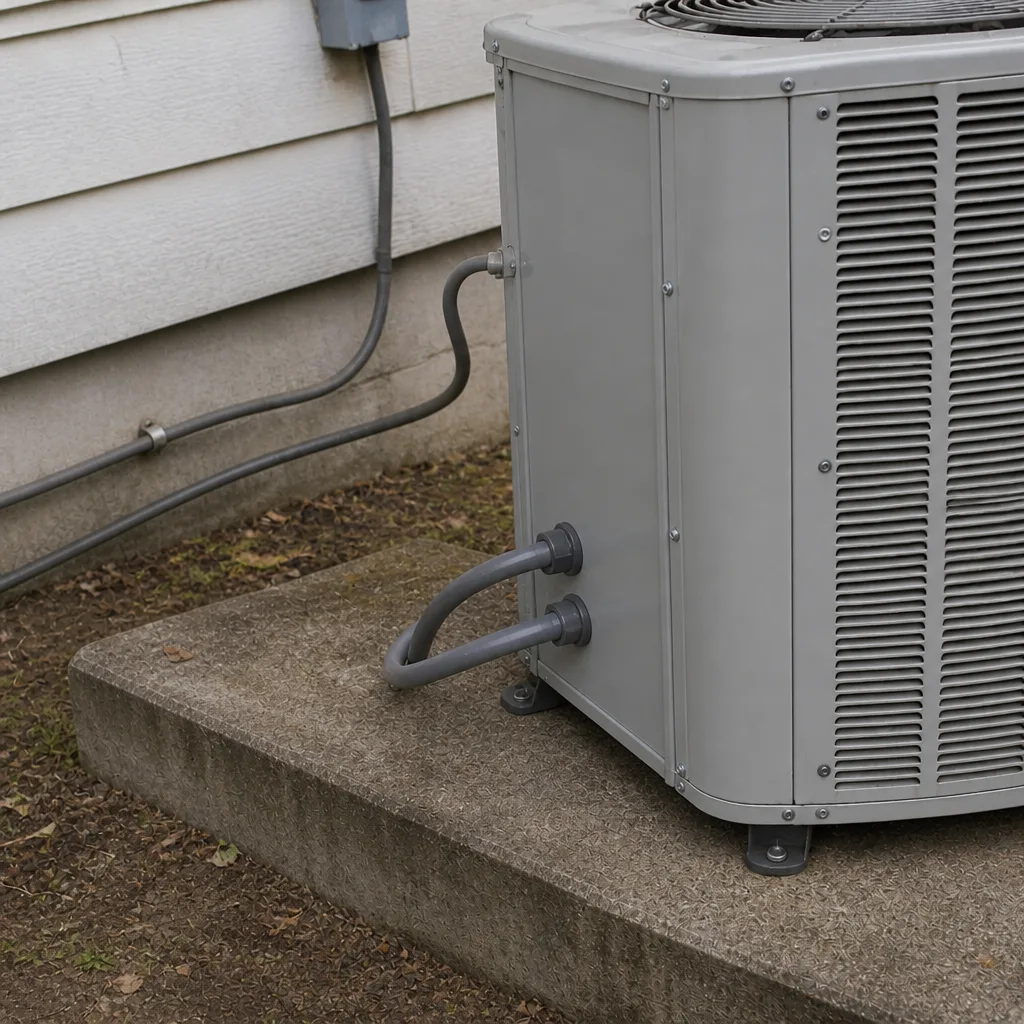 After
Frequently Asked Questions
Once a year, regardless of runtime. Low-runtime systems degrade through corrosion, loose connections, and idle-period seal issues rather than mechanical wear. An annual inspection catches these before they turn into a no-start or a refrigerant leak, and it keeps your baseline readings current.
A written report with the model and serial number, the measured values for capacitor microfarads, refrigerant pressures, static pressure, and temperature split, plus any findings, photographs, and parts replaced. That record is what makes a warranty claim simple and what a buyer will want to see at resale. Call (833) 573-8799 if you’ve been getting verbal summaries; estimates are free.
We’re factory-familiar with nine major brands: Carrier, Trane, Lennox, Goodman, Rheem, York, Daikin, Bryant, and American Standard. That covers most of the residential equipment we see across Sunnyvale. If you’re unsure what’s in your home, the model plate on the outdoor unit tells the story, and we can confirm when you call (833) 573-8799.
Repair makes sense when the measured readings are near spec, the failure is a single component like a capacitor or contactor, and the system’s efficiency for its age is still reasonable. Replacement makes sense when the compressor is failing, refrigerant leaks recur, or the repair cost is a meaningful fraction of a new install. We give an honest read either way, and we explain the measurements that drive it. Call (833) 573-8799 to schedule a free estimate.
Rebate programs change year to year, and eligibility depends on the specific equipment’s rated efficiency. Rather than guess, ask us to check current programs when you get your written estimate. We can walk through the paperwork with you so nothing gets missed. Call (833) 573-8799 with your system model and we’ll get you started.
Same-day service is available. Call (833) 573-8799. We answer 24/7 and dispatch from 7am to 7pm, Sunday through Friday. A no-start in warm weather is worth a call rather than a guess, since the fix is often simple when it’s caught early.
The Bottom Line
AC maintenance in Sunnyvale isn’t the same task it is in Phoenix. Your system’s real enemies are corrosion, idle-period drift, and connections that loosen or oxidize when nothing runs. A short pre-installation site check, a first-season baseline of capacitor readings, static pressure, charge, and temperature split, and an annual inspection focused on corrosion all matter more than the brand nameplate. Keep records. Ask for the numbers. Run the system briefly through the cool months so it doesn’t sit idle. Most of what goes wrong on a lightly-used system is preventable with attention, and catching it early is far cheaper than catching it late.
Contact Us
If you want a straight answer on whether your system needs repair, a real maintenance inspection, or a replacement, call us. We’ll give you a written estimate with the measurements that back it up, and we work on the brand that’s actually in your home. Heating and cooling are covered under one contractor, so whether your furnace gave out or your AC won’t start, one call handles it. Call (833) 573-8799 for a free estimate. We answer 24/7. Fast dispatch from 7am to 7pm, Sunday through Friday.
Written by the team at AC Repair Sunnyvale.