
Last updated November 15, 2026
 AC repair
 Furnace & heating
 Heat pumps
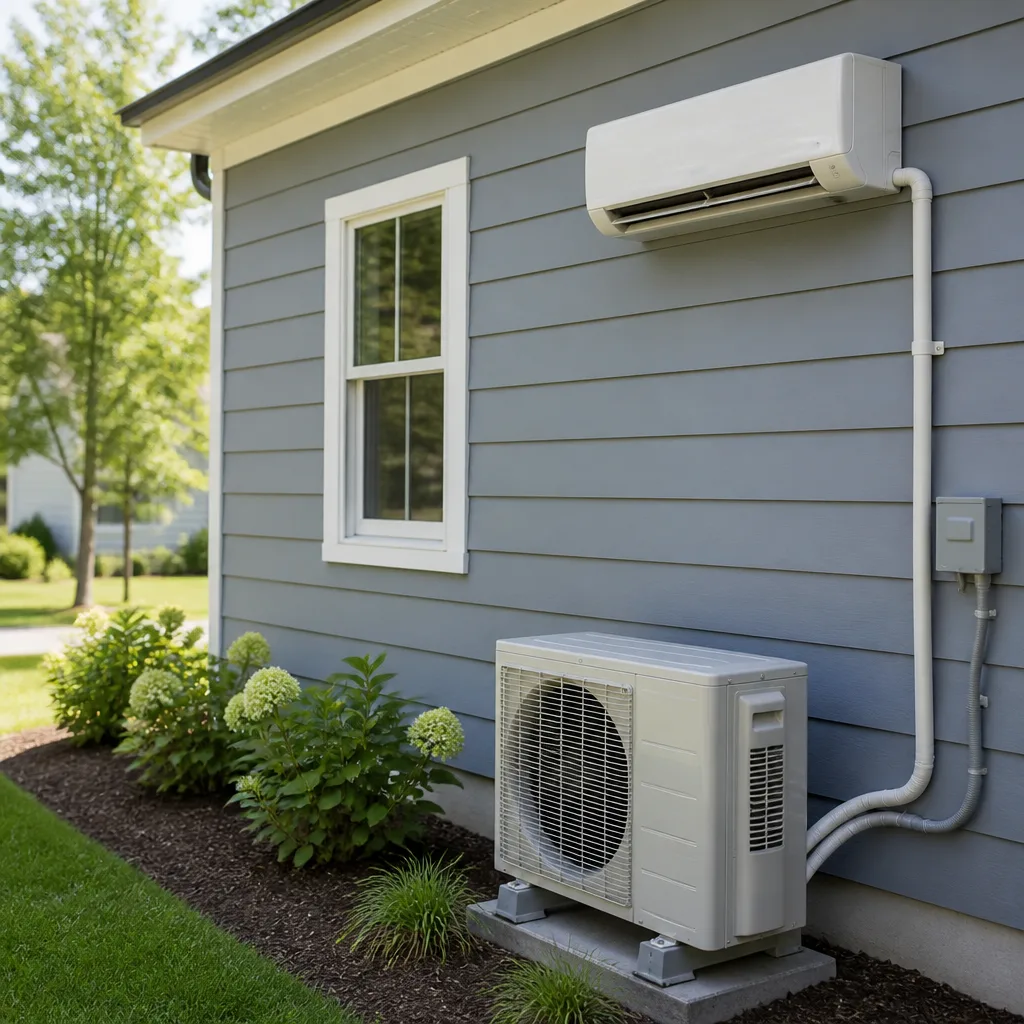 Ductless mini splits
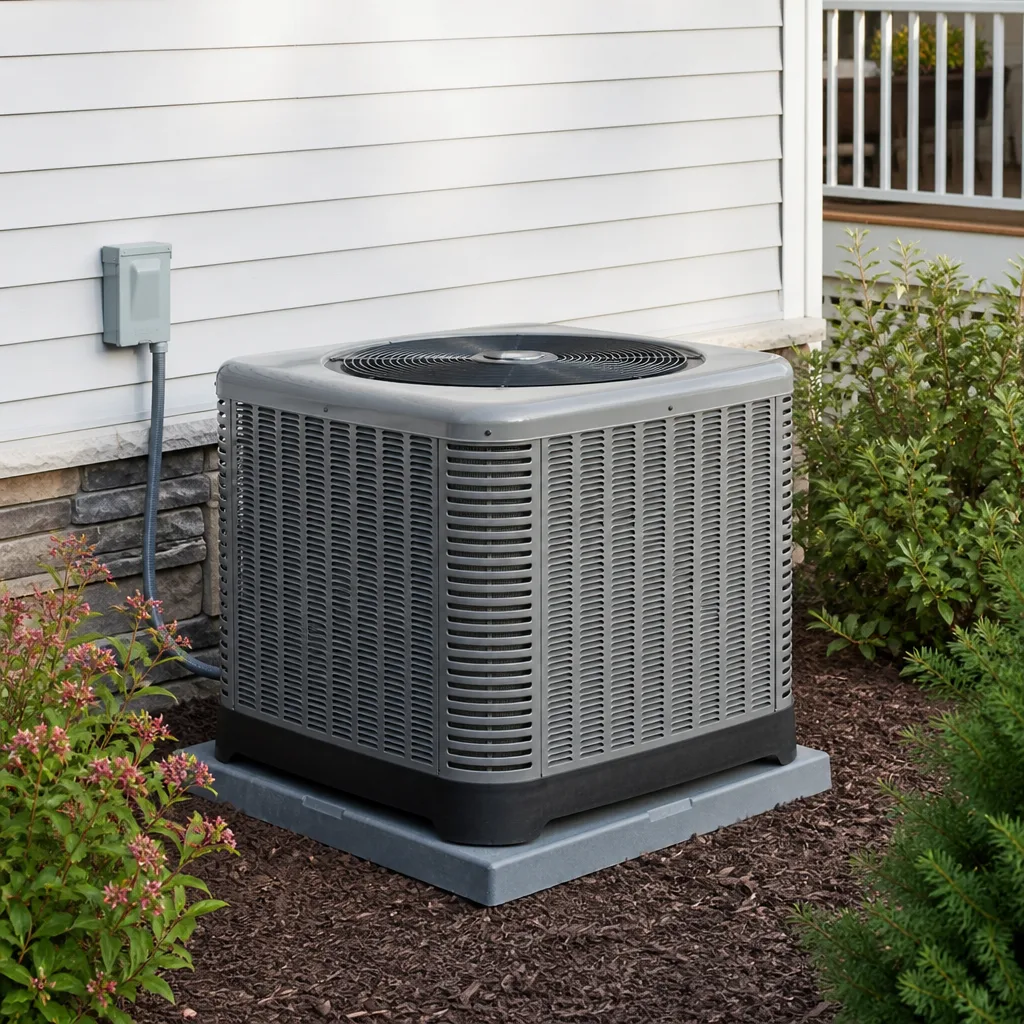 Carrier
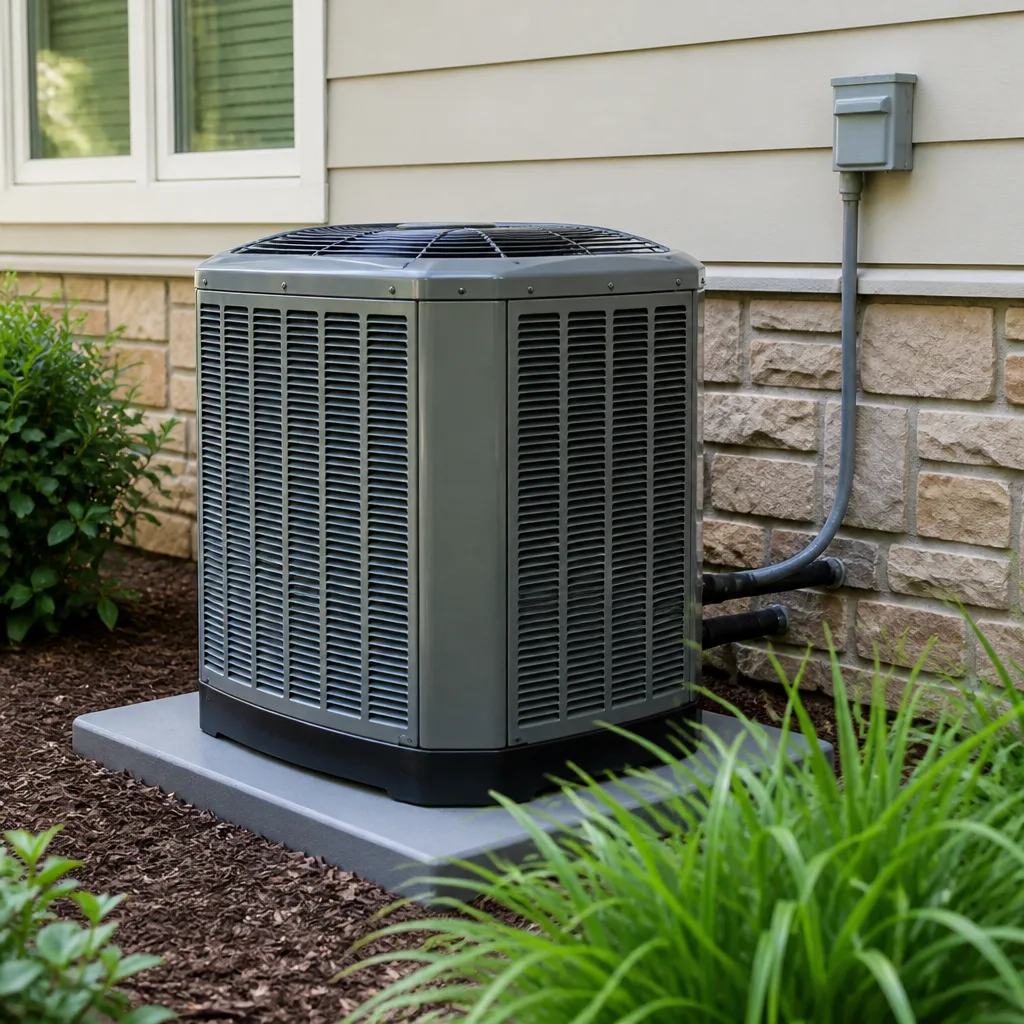 Trane
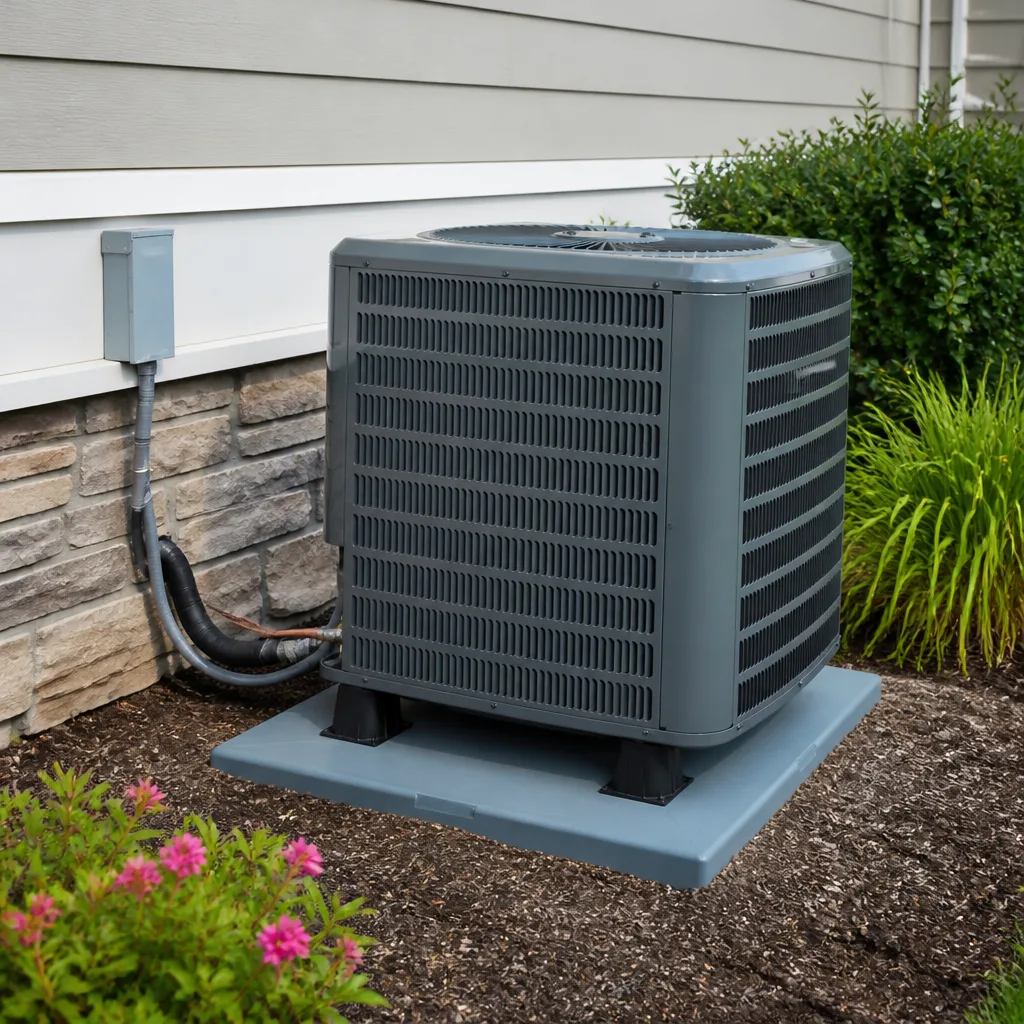 Goodman
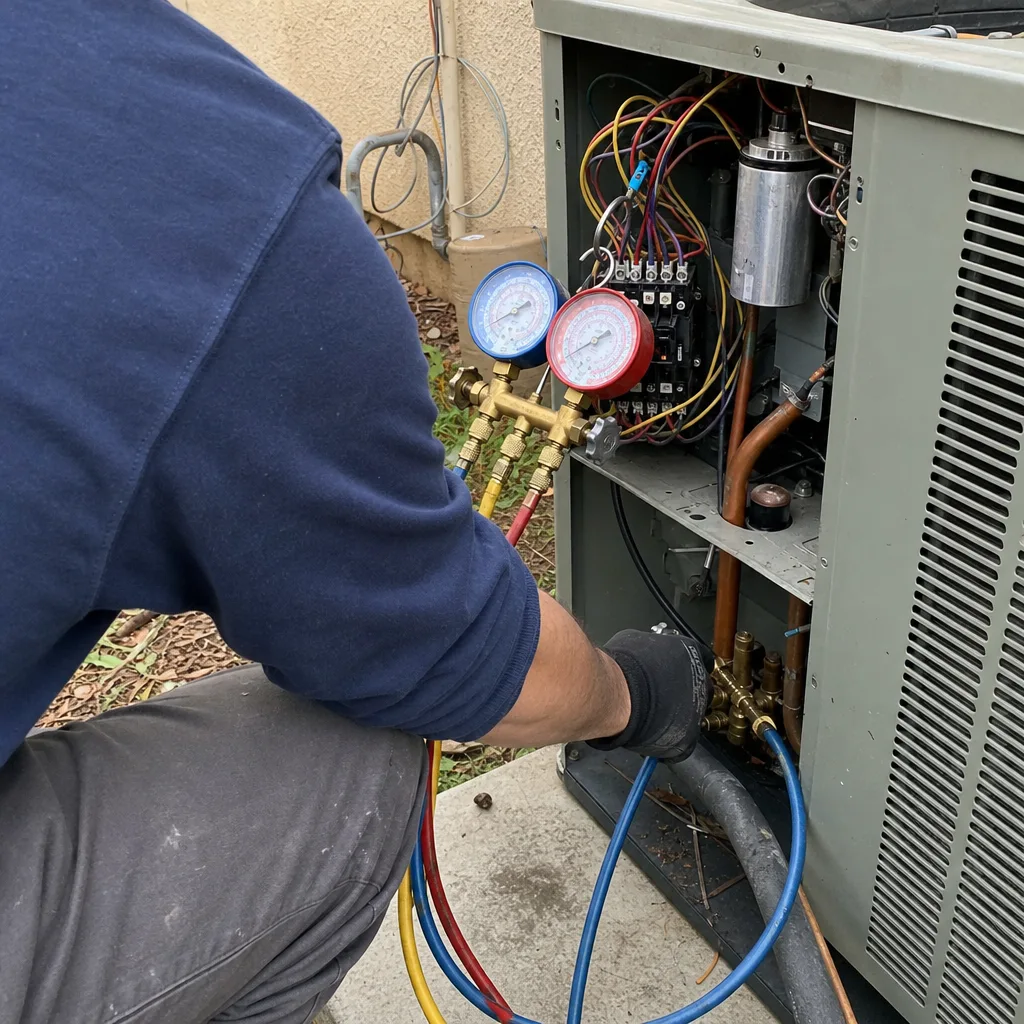
Seasonal tune-up and full diagnostic on your Carrier, Trane, or Goodman system - readings shown to you before any repair is proposed
Diagnosis first, numbers second - you approve the repair price before a single part goes in.
Get your free estimateSeasonal HVAC Care for Sunnyvale: Year-Round Homeowner’s Guide
Most California HVAC advice is written as if the cooling season never ends and the furnace is an afterthought. Sunnyvale doesn’t work that way. January nights here average 39°F, cold enough that a neglected heat exchanger becomes a real carbon monoxide concern, not a minor annoyance. And by late August, the same house is running its air conditioner hard through a heat spike. Two systems, two schedules, one home. This guide lays out what to do in spring, summer, fall, and winter so both sides of your system stay healthy in Sunnyvale, what to check before the May-June demand surge, how wildfire smoke changes your filter strategy, and how to use our cool nights to cut AC runtime.
Quick Answer
Sunnyvale homeowners should prep the AC in March and April, before the May-June demand surge fills every technician’s schedule, and service the furnace in September or October, before the first genuinely cold nights arrive. Change filters on runtime, not calendar dates, and treat heating and cooling as two systems with offset schedules rather than one seasonal concern.
Styles & brands we work with
- AC repair
- Furnace & heating
- Heat pumps
- Ductless mini splits
- Carrier
- Trane
- Goodman
Table of Contents
- Why Sunnyvale Homes Run Two Systems on Two Schedules
- Spring AC Prep: The Sunnyvale Timeline
- Summer: Using Sunnyvale’s Cool Nights to Cut AC Runtime
- Wildfire Smoke Season and Your HVAC System
- Fall Furnace Checklist for Bay Area Homes
- Winter: Heat Exchanger Safety and What to Watch For
- Filter and Thermostat Schedule Calibrated to Sunnyvale
- Repair or Replace? Reading the Signs on Each System
Why Sunnyvale Homes Run Two Systems on Two Schedules
In much of the country, HVAC care is a single arc: heat all winter, cool all summer, service in between. Sunnyvale sits in a spot where both halves of the system get genuine work, but not at the same time of year, and not for the same duration. Summer cooling loads in Sunnyvale are real but concentrated. Late July through early September brings the heat spikes that push a split system to its limit. The rest of the year, the AC sits mostly idle. Heating works the opposite way: long stretches of mild daytime weather broken by nights that drop into the upper 30s and low 40s, which means the furnace runs in short bursts over a much longer span than most homeowners realize.
That pattern creates a specific care problem. An AC that sits unused for eight months can fail on the first hot day because nothing has cycled it: seals dry, refrigerant charge drifts, and a capacitor that was fine last September gives out in July. A furnace that sits idle for eight months has its own issues, and we’ll get to those in the fall section, but the heat exchanger is the big one.
Treating these as one seasonal concern is the most common mistake we see in Sunnyvale homes. They need separate appointments, separate checklists, and separate timelines. If you’re noticing that your cooling side needs attention right now, see our AC Repair Sunnyvale page for the full scope of what we handle.
Spring AC Prep: The Sunnyvale Timeline
The single most useful thing you can do for your air conditioner in Sunnyvale is schedule its service before the demand surge. Here’s the timeline we recommend, and why each step lands where it does.
- Early March: Change the filter and note the model number. Walking out to the condenser and confirming the brand matters – if you’re not sure whether you have a Carrier, Trane, or Lennox unit, a photo of the data plate settles it. We service all of these and more, but knowing the brand before you call saves time on the diagnosis.
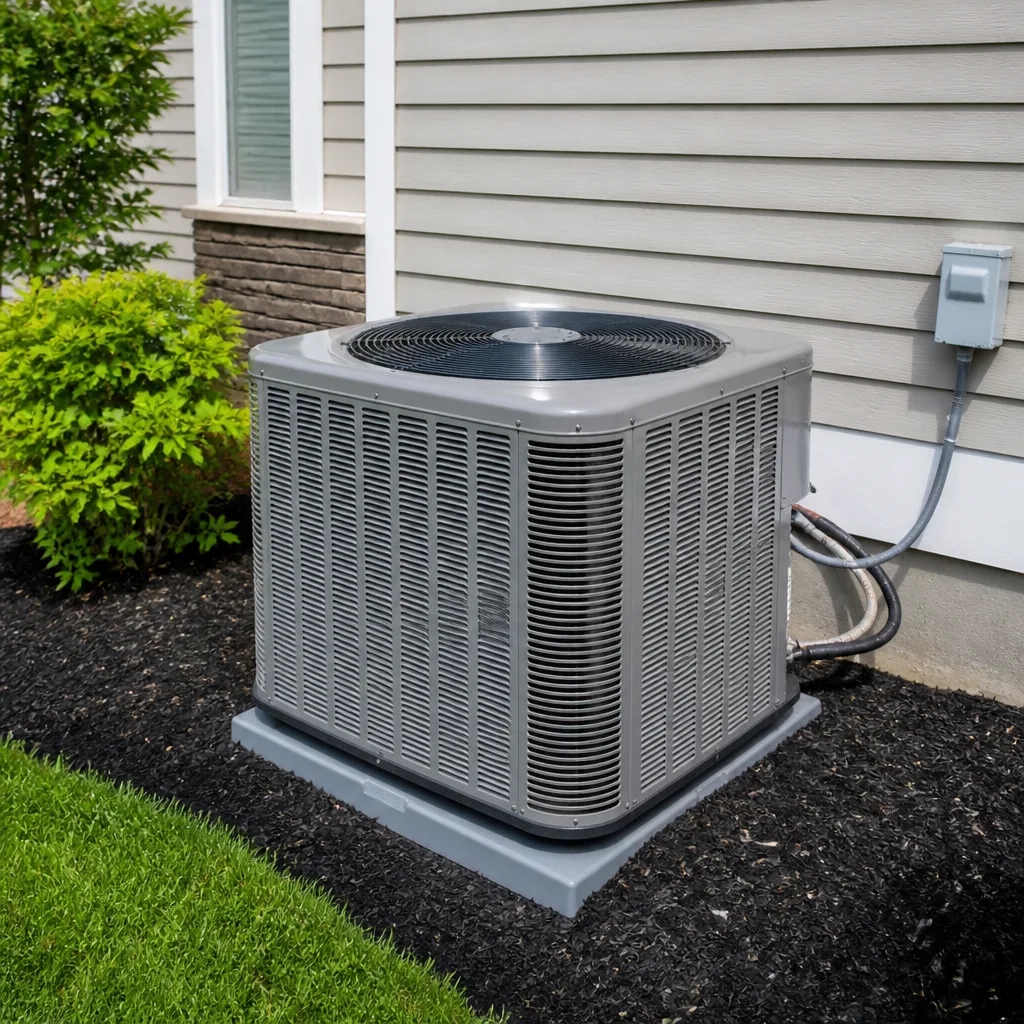
- Mid-March to early April: Book the cooling-side tune-up. This is the window before every homeowner in Sunnyvale calls on the first 90°F day and backlogs stretch into weeks. The technician checks refrigerant charge, capacitor health, contactor condition, condensate drainage, and coil cleanliness.
- April: Test the system on a warm afternoon. Run it for 20-30 minutes and feel the supply air. If it’s not cold, you’ve got weeks of runway before the heat arrives instead of hours.
- May: Clear vegetation and debris from around the outdoor unit. Sunnyvale yards grow fast in spring, and a condenser buried in jasmine or blocked by a fence panel can’t reject heat efficiently.
- Late May to June: If anything felt marginal in April, address it now. This is the last comfortable window before the surge.
Full system replacement follows a different rhythm entirely – that work is load-calculated, scheduled, and requires equipment ordered ahead of time. If spring service turns up a system that’s genuinely at the end of its life, AC installation is a planned project, not a same-day call, and getting it on the calendar in April beats waiting until August.
Summer: Using Sunnyvale’s Cool Nights to Cut AC Runtime
Here’s the strategic advantage Sunnyvale homeowners have and mostly don’t use: our nights cool down substantially, even in the middle of a heat wave. That temperature swing is free cooling if you set up your system to take it, and it directly extends the life of your air conditioner by reducing total runtime hours.
The method is straightforward. During the day, close windows and blinds on the sunny side of the house and let the AC hold the setpoint. Once the outdoor temperature drops below your indoor temperature, usually well into the evening, shut the AC off and open windows on opposite sides of the house. A whole-house fan helps here if you have one, but cross-ventilation does most of the work. Then close up in the morning before the heat rebuilds.
Why does this matter for longevity? Compressor and fan motor life is measured in runtime hours, not years. Every hour you replace AC runtime with open-window cooling is an hour off the compressor’s clock. Over a full summer in Sunnyvale, that adds up.
A few practical notes:
- Don’t chase a very low setpoint when you first turn the AC on in the afternoon. Cooling from 80°F to 74°F takes less compressor time than cooling from 80°F to 68°F, and the second one adds wear for little comfort gain.
- Programmable thermostats earn their keep here. Set a higher daytime setpoint for hours when the house is empty, then a comfortable one for evening. Just don’t use a “setback” so aggressive that the system runs continuously trying to catch up.
- If your outdoor unit is short-cycling – running for a few minutes and shutting off repeatedly – that’s a symptom worth diagnosing, not a quirk to live with. Short cycling multiplies startup wear on the compressor.
Wildfire Smoke Season and Your HVAC System
Wildfire smoke has become a fixture of Bay Area late summers, and it collides directly with cooling season: the days you most want windows open for free cooling are the days the air outside is worst. That’s when your HVAC system becomes your air handling strategy, and the choices you make about filtration and recirculation matter.
The temporary filtration upgrade we recommend is simple: install a filter rated MERV 13 for the duration of the smoke event, then go back to your normal filter afterward. MERV 13 catches the fine particulate that smoke is made of. Two cautions: check that your system can handle the added static pressure (a thicker media filter is easier on the blower than a 1-inch MERV 13), and don’t overshoot to MERV 16 or HEPA in a residential system without confirming the blower can move air through it. A filter that’s too restrictive starves airflow, which is worse for the system than the smoke.
Recirculation mode on your thermostat, usually labeled “fan on” or “circulate,” is helpful during smoke events – it keeps air moving through the filter instead of letting it settle. What it doesn’t do is bring in fresh air, and that’s the point. Don’t run a whole-house fan during a smoke event. It pulls outdoor air in and defeats the filtration entirely.
One final note: if your system has a fresh-air intake or economizer damper, close it manually during smoke events if the controls don’t do it automatically. Many residential systems don’t have one, but if yours does, it’s the most important damper in the house during a smoke week.
Fall Furnace Checklist for Bay Area Homes
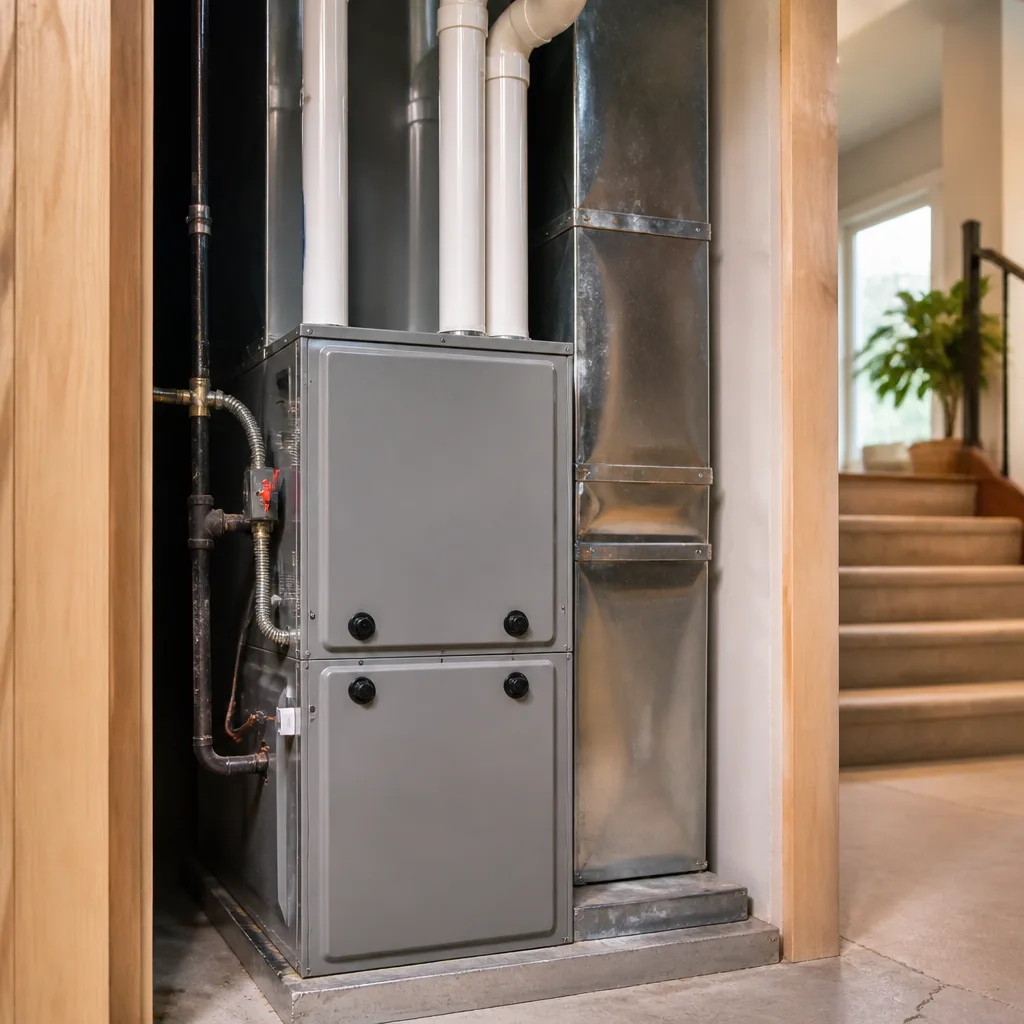
The furnace is the half of the system most Sunnyvale homeowners neglect, because it doesn’t fail dramatically – it just quietly gets worse each year until one cold night it doesn’t start. Here’s what a proper fall furnace check covers, and why each item matters in our specific climate.
- Heat exchanger inspection. This is the top of the list for a reason. A furnace that sits idle for eight months is a furnace whose heat exchanger has had eight months to develop or worsen a crack, and a cracked heat exchanger can introduce carbon monoxide into the supply air. A visual inspection with a combustion analyzer is the standard.
- Thermocouple and flame sensor. These are what tell the furnace the pilot or burner is lit and it’s safe to keep the gas valve open. They wear out and they foul with carbon over seasonal use. A dirty flame sensor is one of the most common causes of a furnace that lights and then shuts off after a few seconds.
- Igniter condition. Modern furnaces use a hot-surface igniter that cracks with age. If yours is a few years old, having it checked in fall avoids a no-heat call on the first cold night.
- Pilot and burner inspection. For standing-pilot furnaces, the pilot flame should be blue and steady. A yellow or lifting flame suggests a combustion air or gas pressure issue that needs a technician.
- Ductwork and register airflow. Feel the supply registers on the first cold evening. Weak airflow to distant rooms can be a duct issue, not a furnace issue, and it’s worth knowing which before you call.
- Furnace filter. The furnace filter is usually the same filter as the AC filter, and by fall it’s been collecting summer dust. Change it before the first heating run.
Schedule this for September or October, when the daytime weather is still mild and the first genuinely cold nights haven’t arrived. Direct furnace problems get worse with use, and a repair in October costs less than an emergency call in December. We handle both furnace repair and full furnace replacement, so the recommendation you get isn’t shaped by which one we’d rather sell.
Winter: Heat Exchanger Safety and What to Watch For
Sunnyvale’s mild reputation hides a real safety point: our winter nights are cold enough that a furnace runs steadily through the night, and a heat exchanger crack that develops slowly through the fall is running continuously during that period. Carbon monoxide is odorless, and a small crack in a heat exchanger can introduce combustion gases into the supply air at levels that build up in a house with closed windows.
This is why heat exchanger inspection is a professional task, not a homeowner check. Reaching into a furnace, disconnecting the flue, or attempting any repair near the gas valve or heat exchanger is genuinely dangerous work. If you smell gas, hear unusual noises from the furnace, or your CO detector goes off, shut the furnace off at the thermostat, leave the house, and call your gas utility. Then call us.
The winter checklist that is safe for you to handle:
- Confirm CO detectors on every level of the house and outside sleeping areas are working. Test them monthly.
- Keep vents and registers clear of furniture, rugs, and drapes.
- Change the filter at the start of the heating season, and again based on runtime as the season progresses.
- Listen for unusual sounds: banging, rumbling, or a metallic scraping sound typically means a mechanical issue that needs a technician.
- Notice whether the air from registers feels cooler than it did last winter, or whether the furnace cycles more frequently. Those are early signs, and they’re cheap to fix in December and expensive to fix in February.
If something feels off, call. Heating issues caught early are almost always a repair; the same issue caught late is often a replacement.
Filter and Thermostat Schedule Calibrated to Sunnyvale
The “change your filter every 90 days” rule on every filter package is a national average that doesn’t match how Sunnyvale systems actually run. Your filter’s life is measured in runtime hours and dust load, not calendar days. A house running its AC through a smoky August loads the filter far faster than the same filter in a quiet February.
Here’s the schedule we suggest instead of the box recommendation:
- March: change filter before spring cooling season begins.
- July or August: change after the first extended AC run, and again mid-fire-season if smoke is heavy. Use a MERV 13 temporarily if smoke is active.
- October: change filter before furnace season begins.
- January: change after the cold spell, or sooner if the filter looks visibly gray.
- Between scheduled changes: hold a flashlight up to the filter. If you can’t see light through the pleats evenly, change it regardless of the calendar.
Thermostat schedule advice for Sunnyvale is a bit different from what you’ll read nationally:
- Summer: set a daytime cooling setpoint you can live with (say 76-78°F) and use evening setback to allow open-window cooling once outdoor temps drop below indoor. Wake the AC only when the house actually needs it.
- Winter: set a heating setpoint of around 65-68°F for occupied hours, and a modest nighttime setback of 3-5°F. Bay Area furnaces typically run in relatively short bursts, so large setbacks between daytime and nighttime can create recovery runs that cost more than they save.
- Shoulder months: rely on manual control. In April and October, Sunnyvale homes often need neither heat nor cooling for stretches, and a thermostat left in auto mode can cycle unnecessarily.
Repair or Replace? Reading the Signs on Each System
The repair-or-replace question applies differently to the AC side and the furnace side, and bundling the two into one decision is often a mistake. A 12-year-old AC and a 4-year-old furnace are two separate calls. Here’s how we think about each.
On the AC side, the questions we ask are: How many service calls in the last three years? Is the refrigerant type one that’s being phased out? Are the compressor and condenser both showing wear, or is it a single accessible component like a capacitor or contactor? A single-failure repair on a system that’s otherwise sound is almost always worth doing. Two or more major failures in two years is usually a signal.
On the furnace side, the heat exchanger is the deciding factor. A cracked heat exchanger on an older furnace is typically a replacement call, because the labor to replace it approaches the cost of a new unit and the safety risk is significant. A failed igniter, a dirty flame sensor, or a bad thermocouple on an otherwise healthy furnace is a straightforward repair.
We work across all the major residential brands, including American Standard, Carrier, Trane, and Lennox, and the value-tier systems like Goodman and Rheem. That matters here because we’re not steering you toward one manufacturer’s replacement unit to hit a dealer incentive. Our technicians have up to 10 years of experience on residential systems and diagnose what’s actually in your home.
If replacement is the honest answer, it’s a planned project: load calculation, equipment selection, a written fixed price, and a set install date. If you want to see what we work on across the board, our Sunnyvale page lays it out.
Common Mistakes to Avoid
- Scheduling the AC tune-up in June. The first 90°F week fills every technician’s calendar in Sunnyvale. Book in March or April and you’ll get the service date you want instead of whatever’s left after the backlog clears.
- Waiting until the furnace fails to service it. A furnace that sits idle from April through October is a furnace whose heat exchanger and igniter haven’t been checked in eight months. Service in September catches problems while they’re still cheap.
- Changing filters on a fixed 90-day calendar. Sunnyvale runtime patterns don’t match a national average. Check the filter by visible dust load and by season, not by the date on your phone.
- Running a whole-house fan during a smoke event. It pulls outdoor air into the house and defeats the filtration you just upgraded. Close the house and let the HVAC fan recirculate through a MERV 13 filter instead.
- Overshooting filter efficiency. A MERV 16 or HEPA filter that’s too restrictive for your blower starves the system of airflow, which costs more in compressor wear than the extra filtration is worth.
- Setting an aggressive thermostat setback and expecting savings. A 10°F setback in a Sunnyvale winter can push the furnace into a long recovery run that erases the savings. Modest setbacks and consistent setpoints work better here.
- Replacing an AC and a furnace at the same time when only one is failing. Two systems, two lifespans, two decisions. If the furnace has years left, there’s no reason to fold it into an AC replacement project.
See the difference
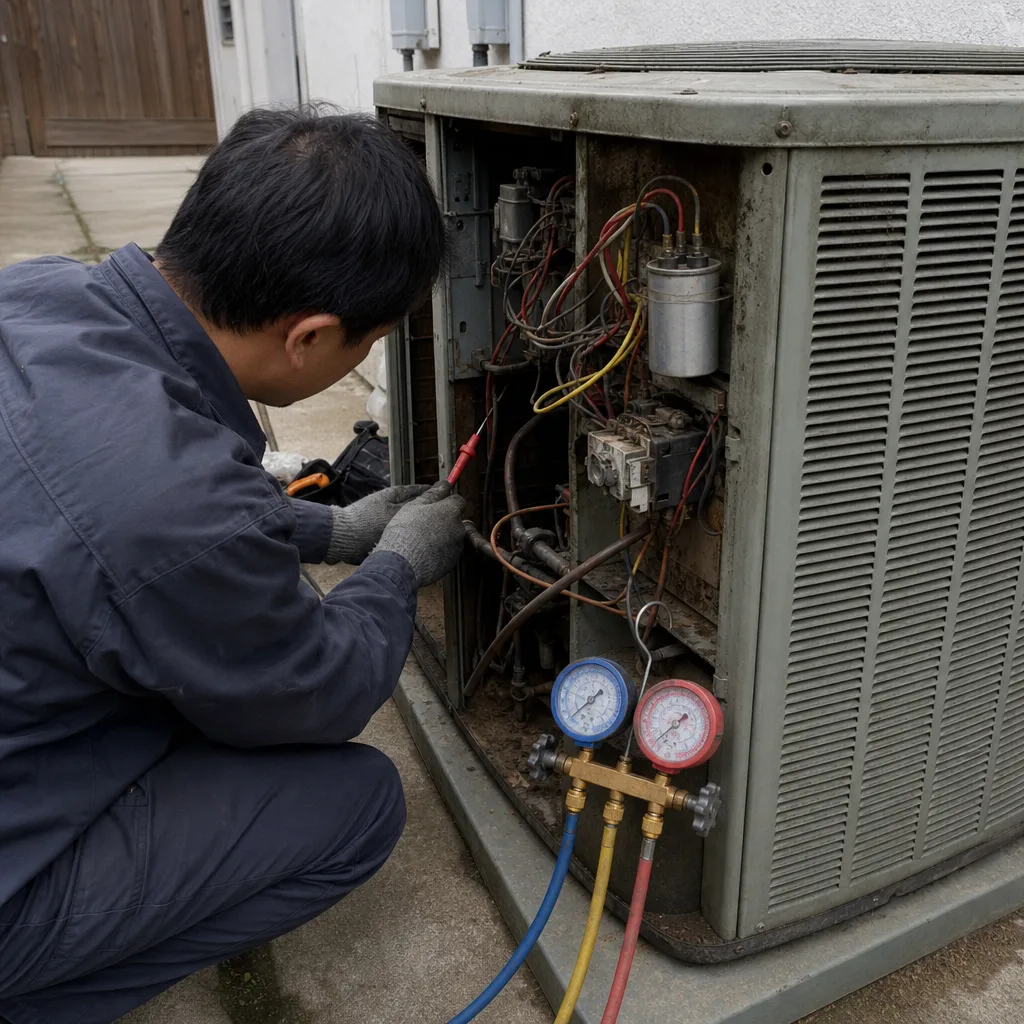 Before
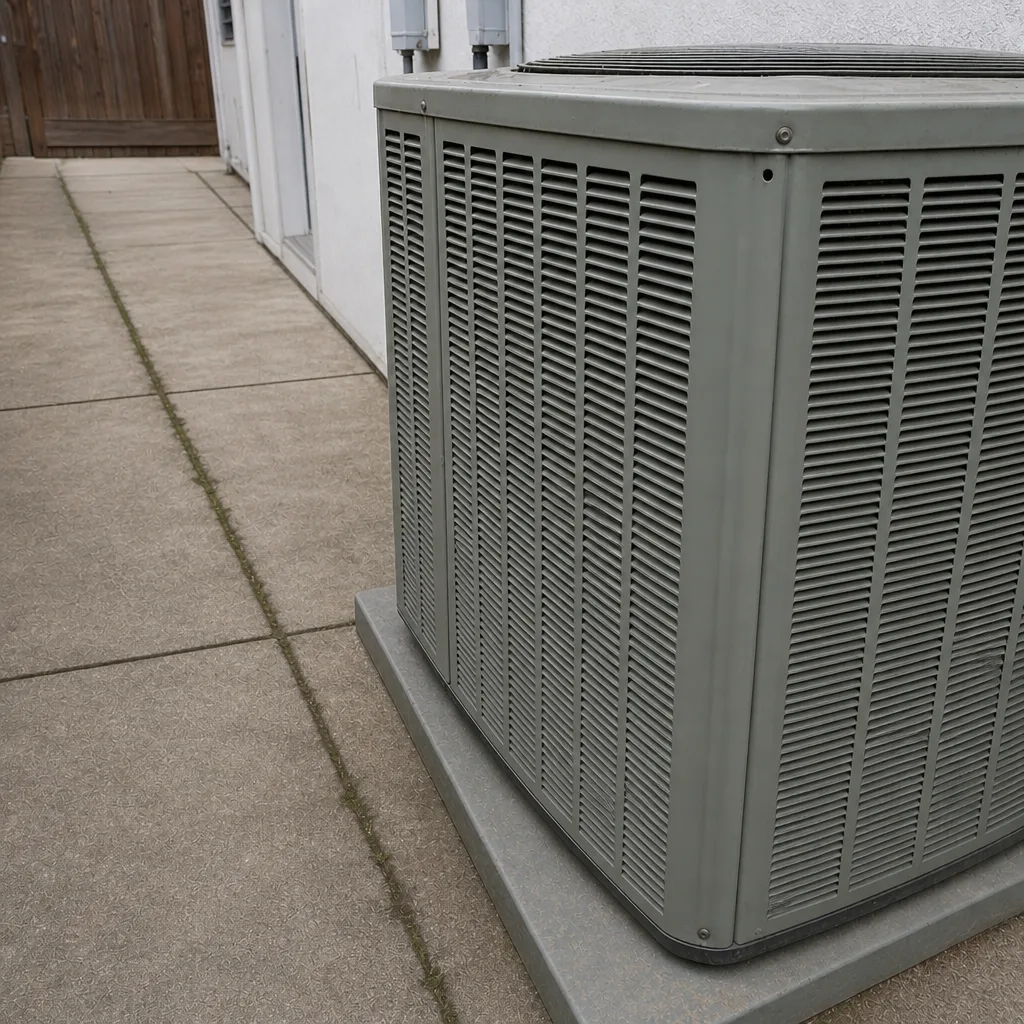 After
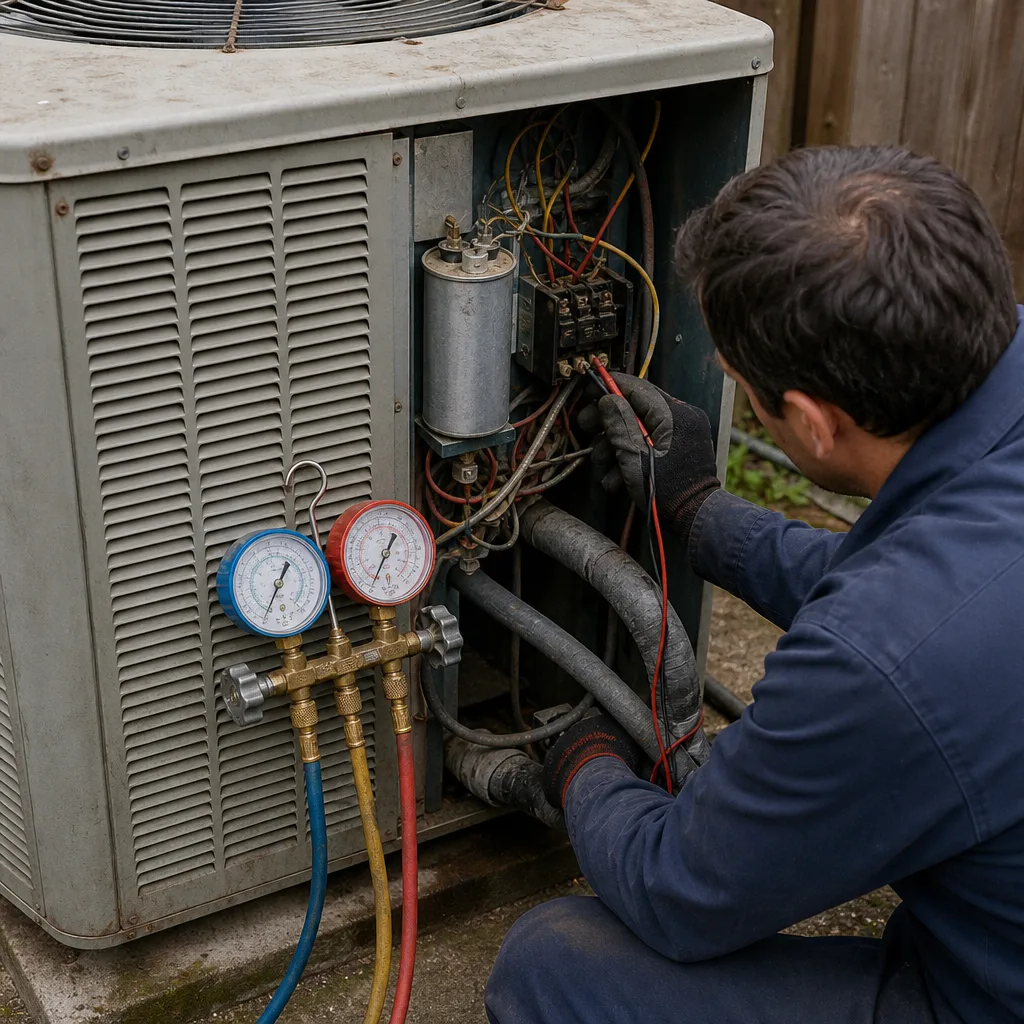 Before
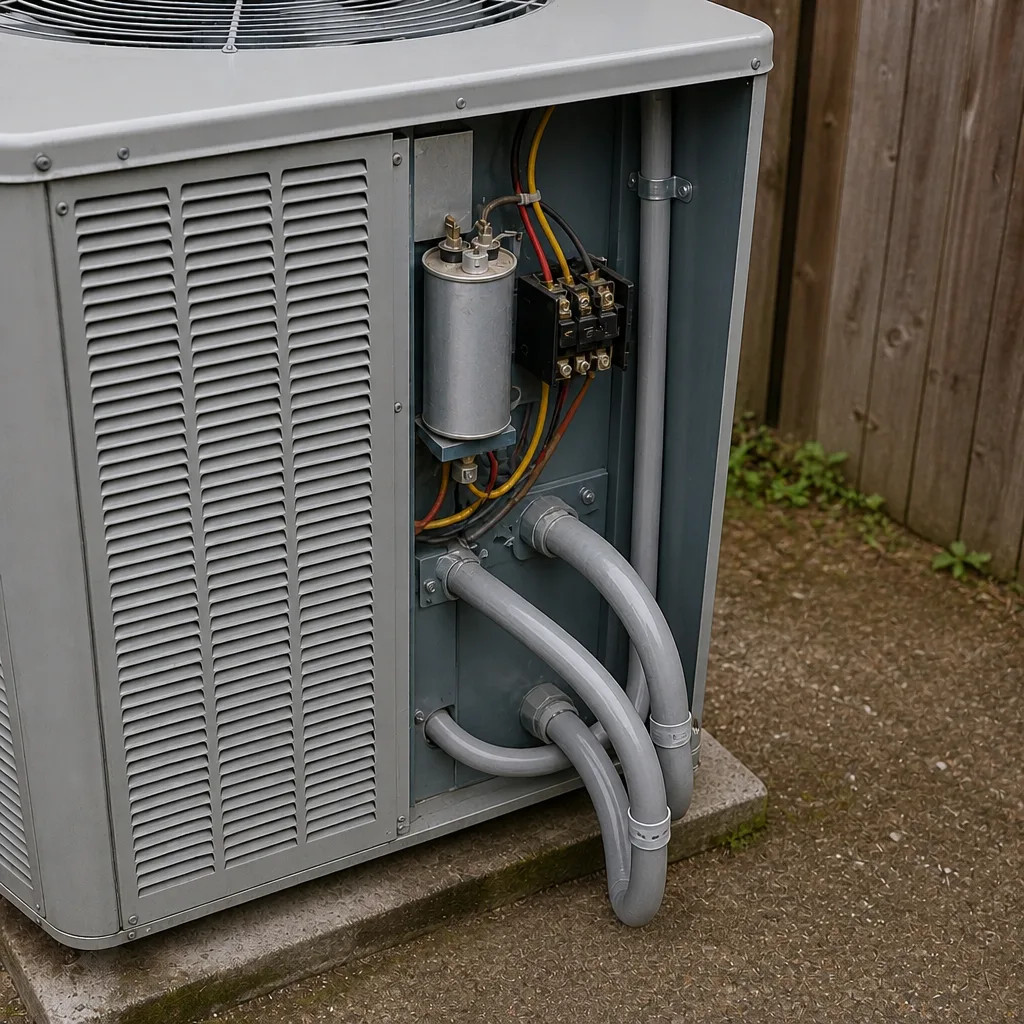 After
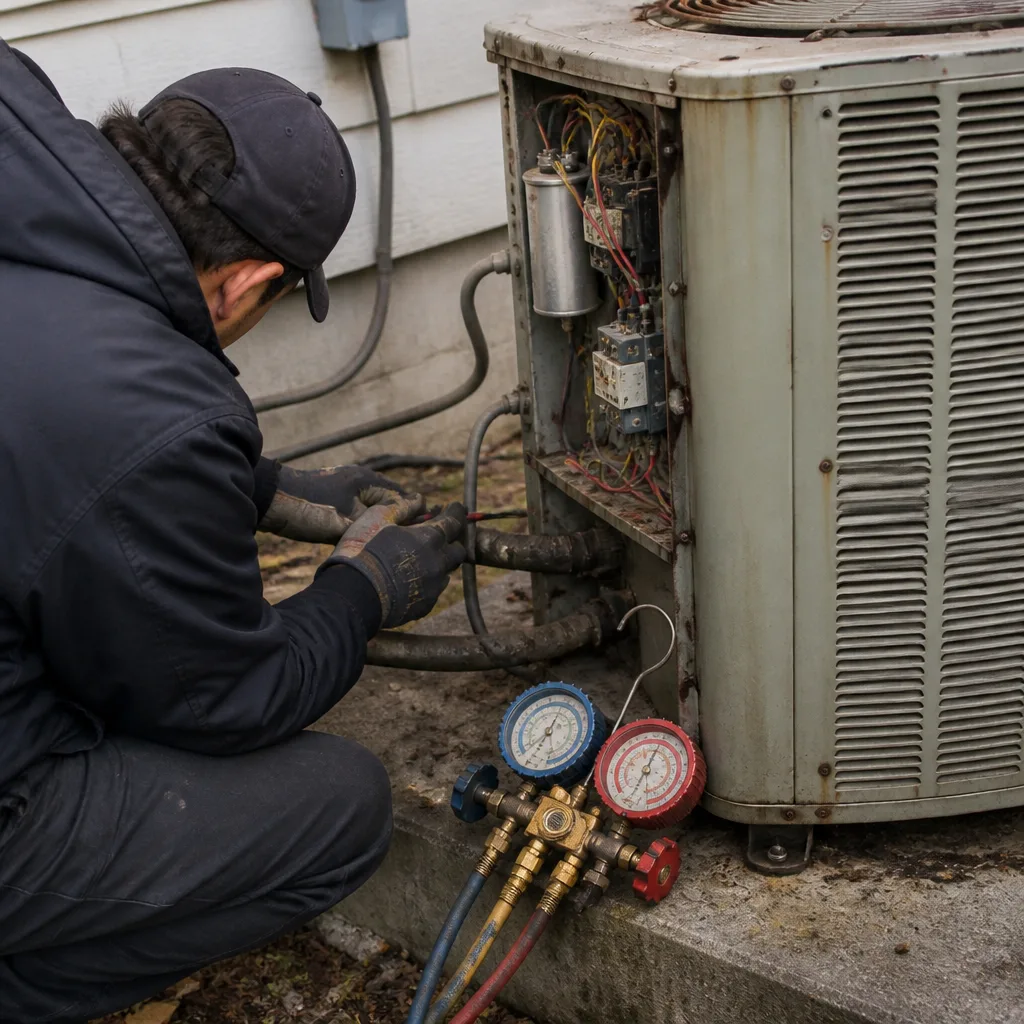 Before
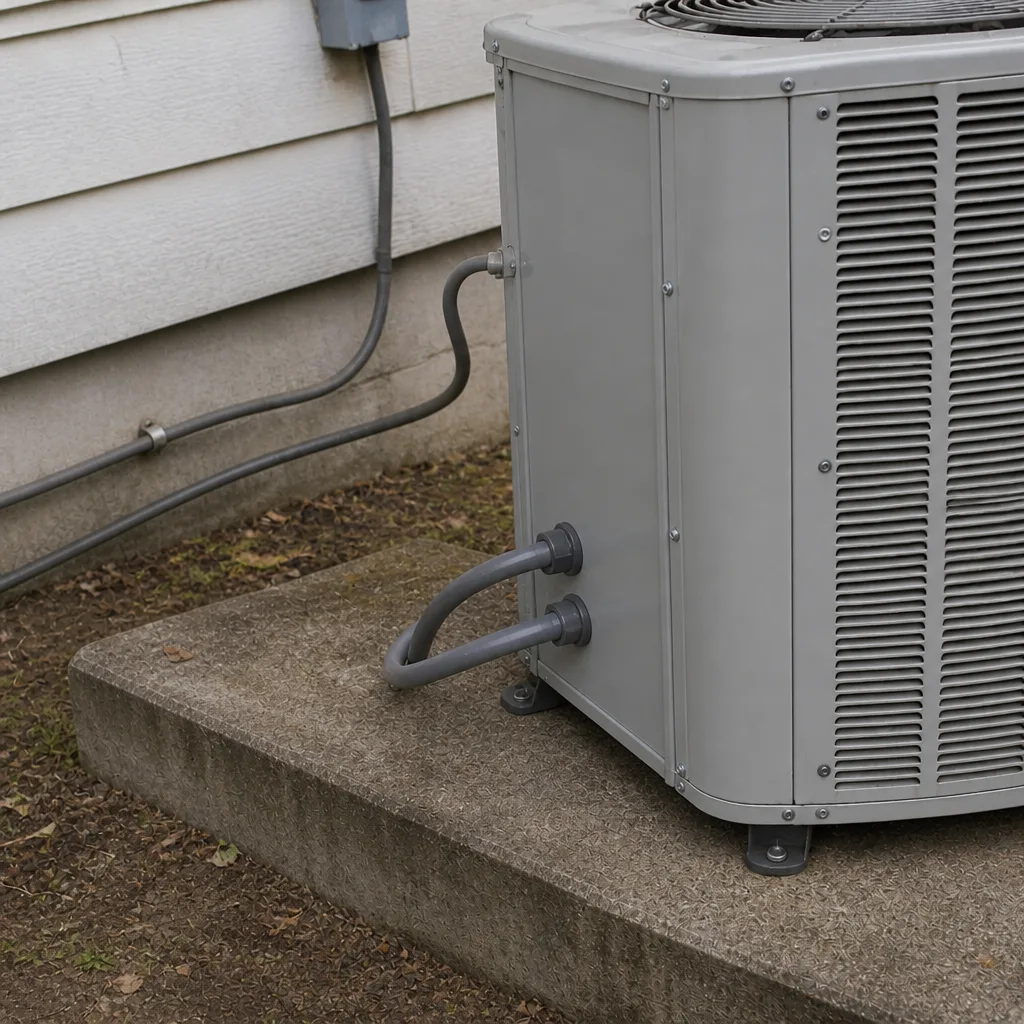 After
When to Call a Professional
Some HVAC tasks are homeowner-safe: changing filters, clearing debris from around the condenser, testing CO detectors, adjusting thermostat schedules, and opening windows on cool evenings. Others are not, and knowing the line matters. Call a professional if you smell gas, hear unusual noises from the furnace, notice the AC isn’t cooling as it should, see frost on the refrigerant lines, or if a carbon monoxide detector goes off. Call if the furnace cycles on and off rapidly, if the air from registers feels tepid during heating season, or if you’ve had more than one repair on the same system in the last two years. And call before the season change if you want to be on the schedule rather than in the backlog. AC Repair Sunnyvale offers free estimates in Sunnyvale – call (833) 573-8799. We answer 24/7, with fast dispatch from 7am to 7pm, Sunday through Friday.
Frequently Asked Questions
Schedule AC service in March or early April, before the May-June demand surge fills every technician’s schedule. The service covers refrigerant charge, capacitor and contactor condition, condensate drainage, and coil cleanliness, and it leaves you with weeks of runway to address anything marginal before the first heat wave.
Change the filter based on visible dust load and season rather than a fixed calendar. March, July or August, and October are the natural checkpoints for a Sunnyvale home. Hold a flashlight up to the filter: if light doesn’t pass evenly through the pleats, change it regardless of how many days it’s been in. If you’re not sure what filter your system takes, call (833) 573-8799 and we’ll help you identify it.
Yes, because the risk isn’t age, it’s idleness. A furnace that sits unused for eight months can develop a heat exchanger crack, a fouled flame sensor, or a cracked igniter during that idle period without any obvious sign. A fall inspection catches these while they’re still a repair rather than an emergency call.
MERV 13 is usually fine year-round if your system can handle the static pressure, but a 1-inch MERV 13 is more restrictive than a thicker media version. For most homes, running standard filtration through the year and upgrading temporarily during smoke events is the simpler approach. We can check your blower’s capacity to confirm what your system will tolerate – call for a free estimate.
It depends which system and what’s failed. On the AC side, a single accessible component like a capacitor or contactor on an otherwise sound system is almost always worth repairing; two or more major failures in two years is usually a replacement signal. On the furnace side, a cracked heat exchanger is typically a replacement call for safety reasons, while a failed igniter or thermocouple is a standard repair. We work across all the major brands in Sunnyvale homes, so the recommendation reflects what’s actually best for your system.
You don’t, from inside the house – carbon monoxide is odorless. The reliable protection is a working CO detector on every level and outside sleeping areas, plus a professional heat exchanger inspection in the fall before heating season. If a detector alarms, shut off the furnace at the thermostat, leave the house, and call your gas utility. Then call (833) 573-8799 to schedule a diagnostic.
The Bottom Line
Sunnyvale’s climate asks more of your HVAC system than the “mild California” reputation suggests, because it asks both halves of the system to work, just on offset schedules. Service the AC in March or April before the surge, service the furnace in September or October before the cold nights, change filters by runtime and season rather than by calendar, and use cool summer nights to take hours off the compressor. If you’re weighing repair against replacement, get an honest read on each system separately rather than folding them into one decision. Our technicians have up to 10 years of experience on the brands that are actually in Sunnyvale homes, and we handle heating and cooling repair and replacement as one company. Call (833) 573-8799 for a free estimate. We answer 24/7, with fast dispatch from 7am to 7pm, Sunday through Friday.
Written by the team at AC Repair Sunnyvale.