
Last updated November 15, 2026
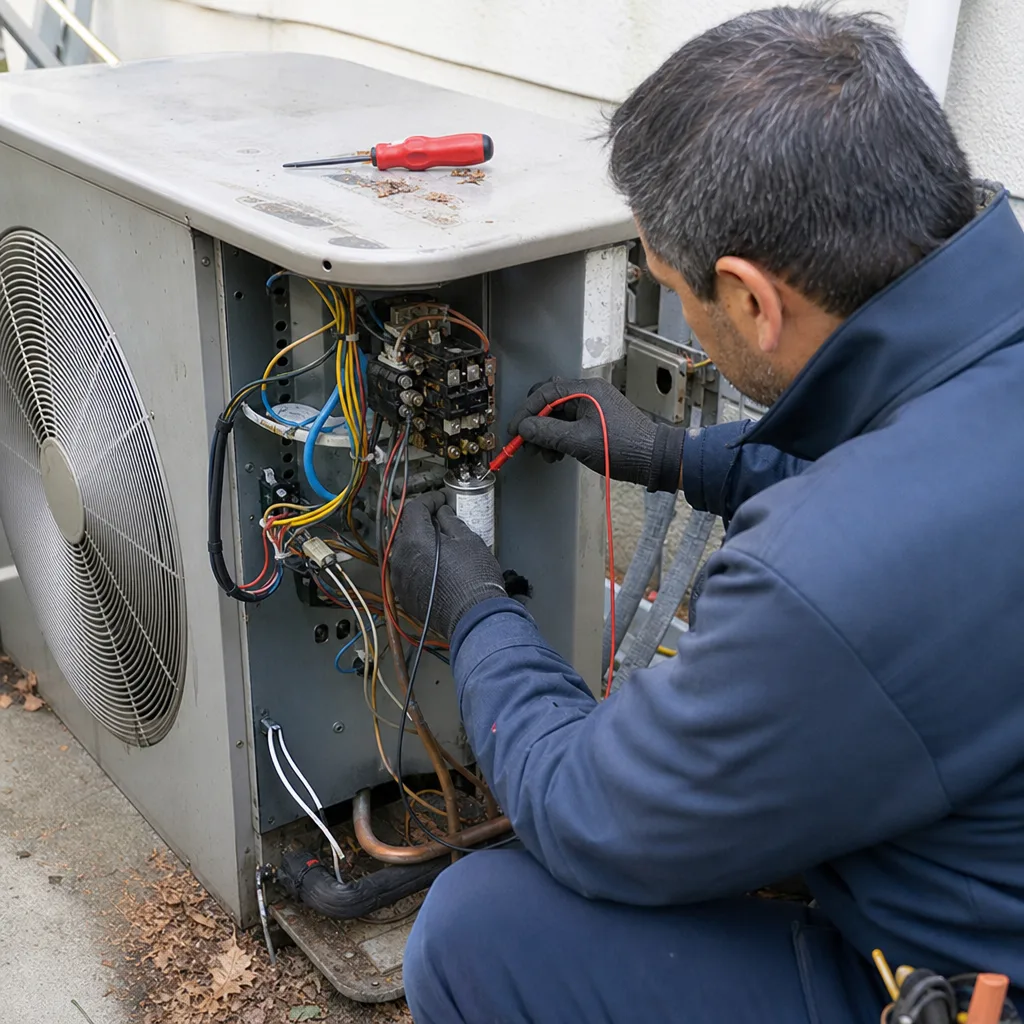
 AC repair
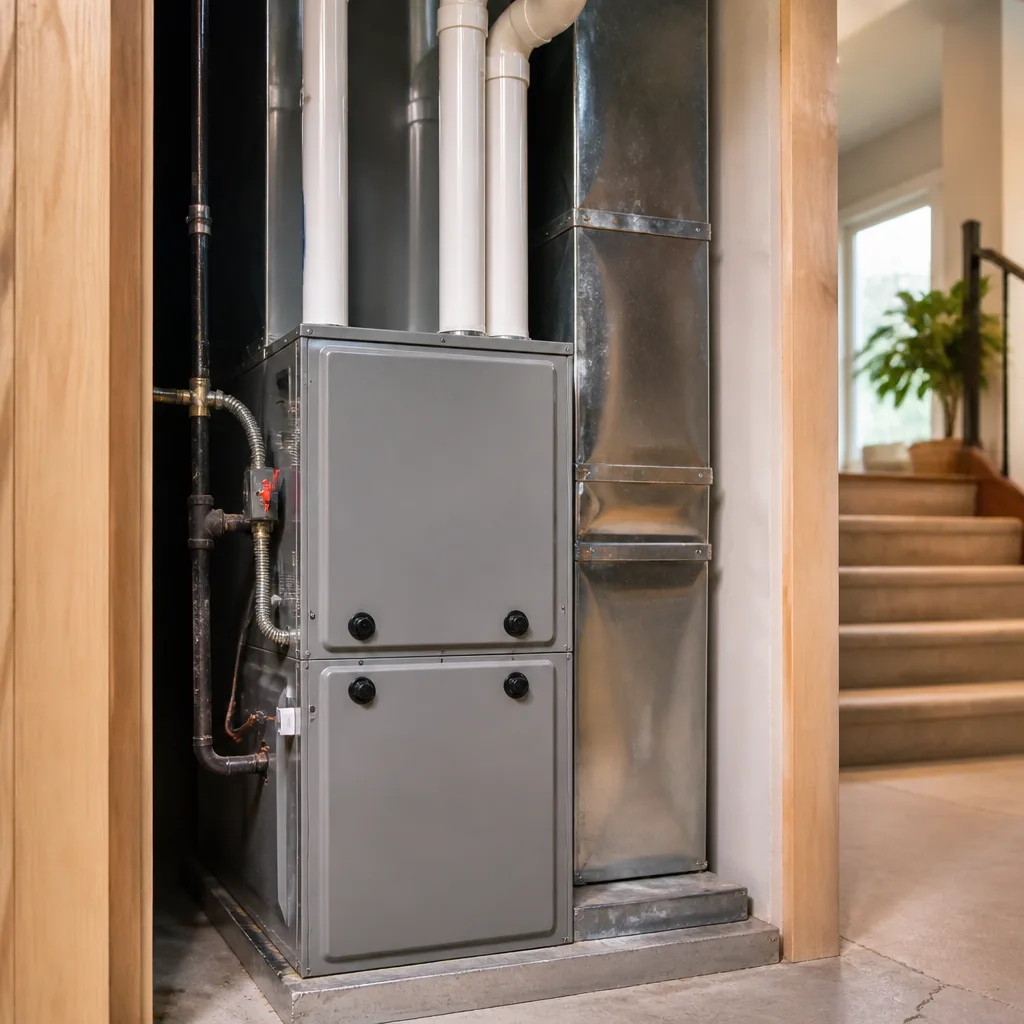 Furnace & heating
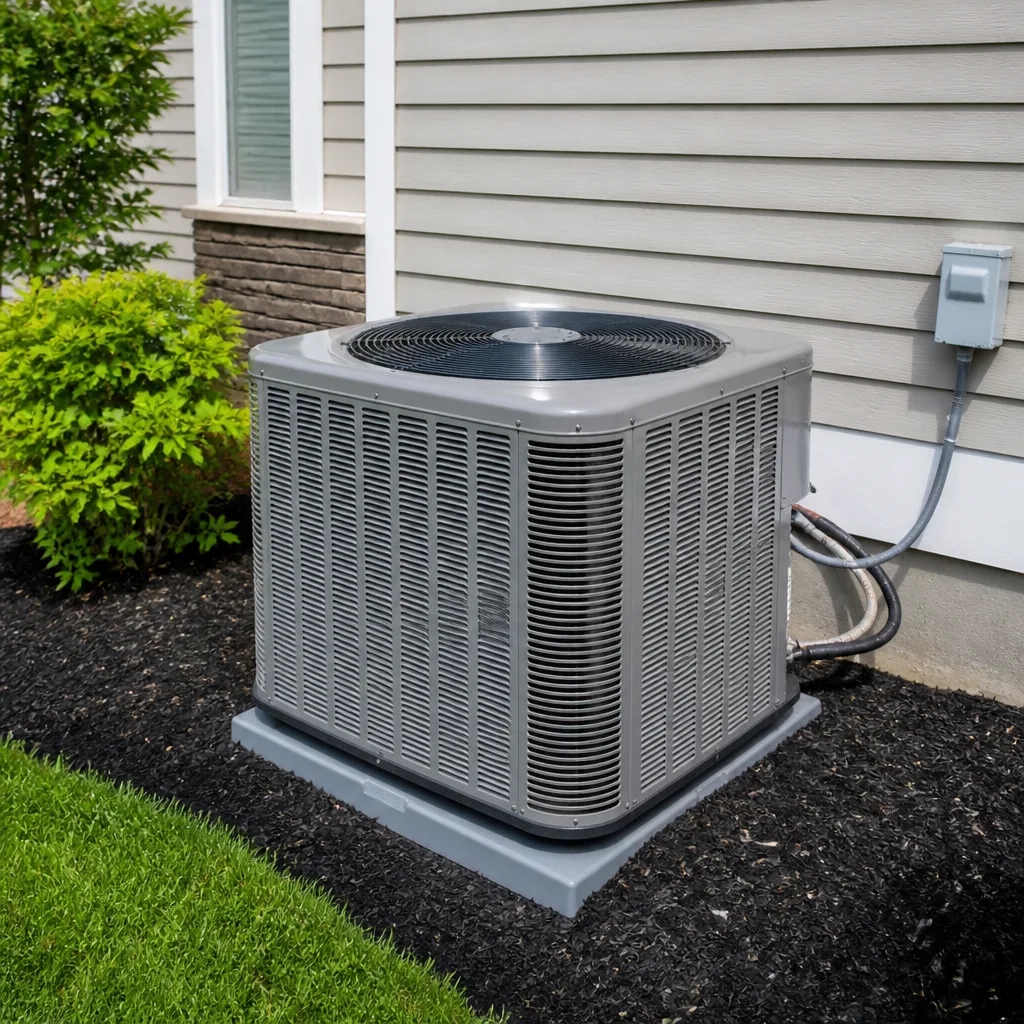
 Heat pumps
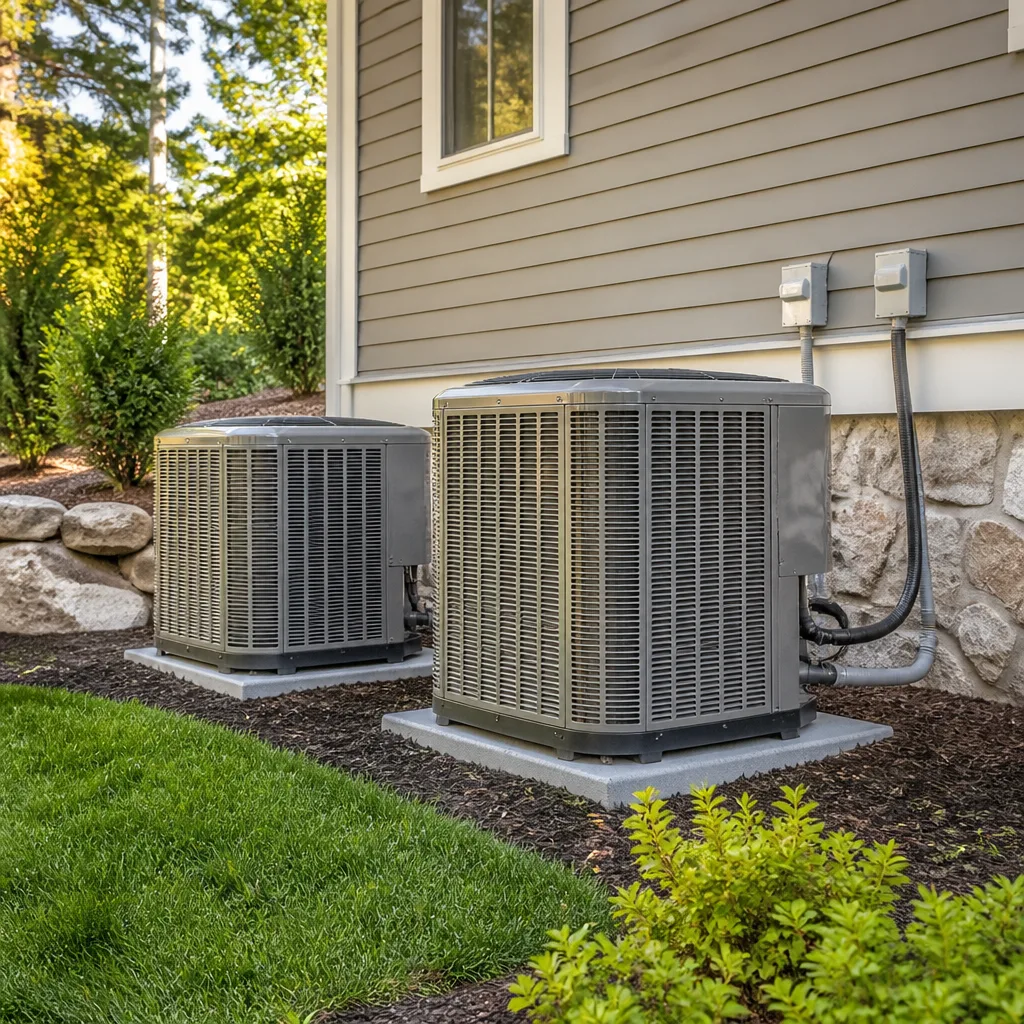
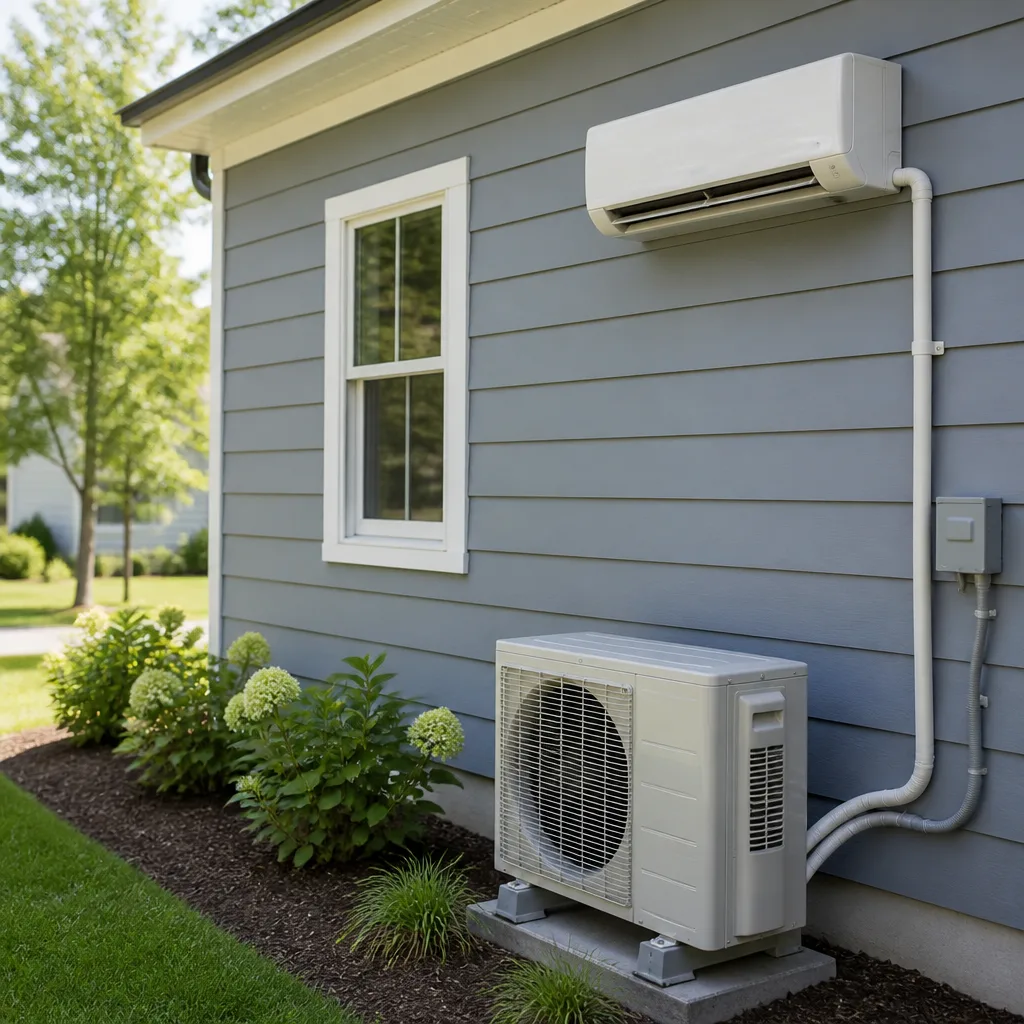 Ductless mini splits
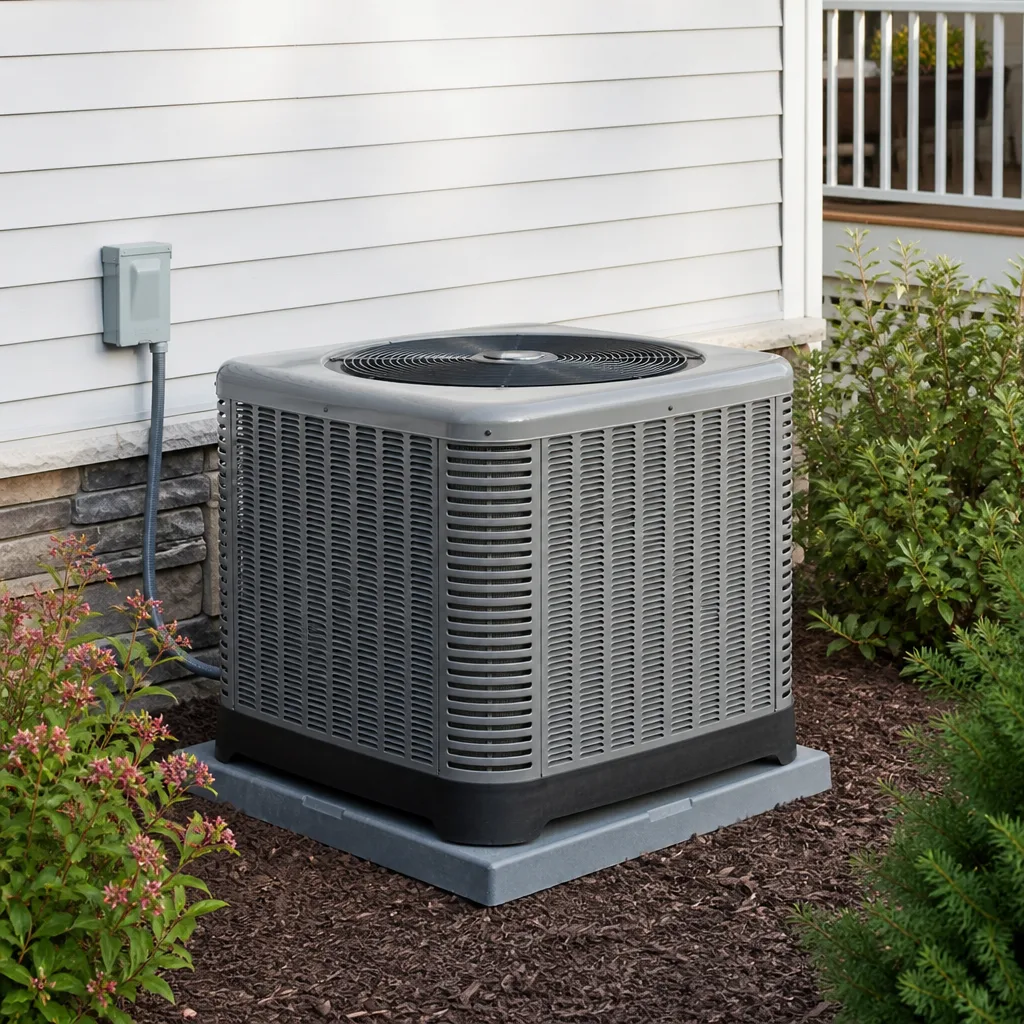 Carrier
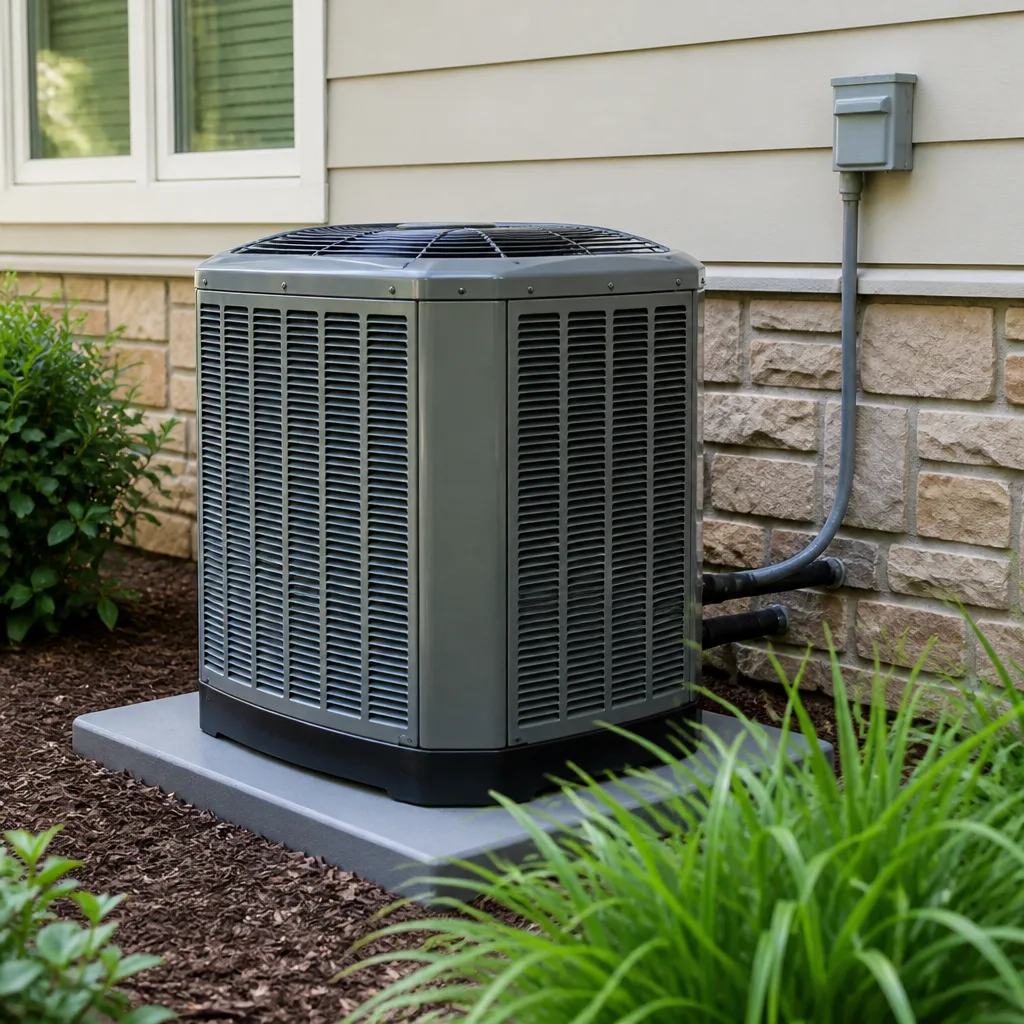 Trane
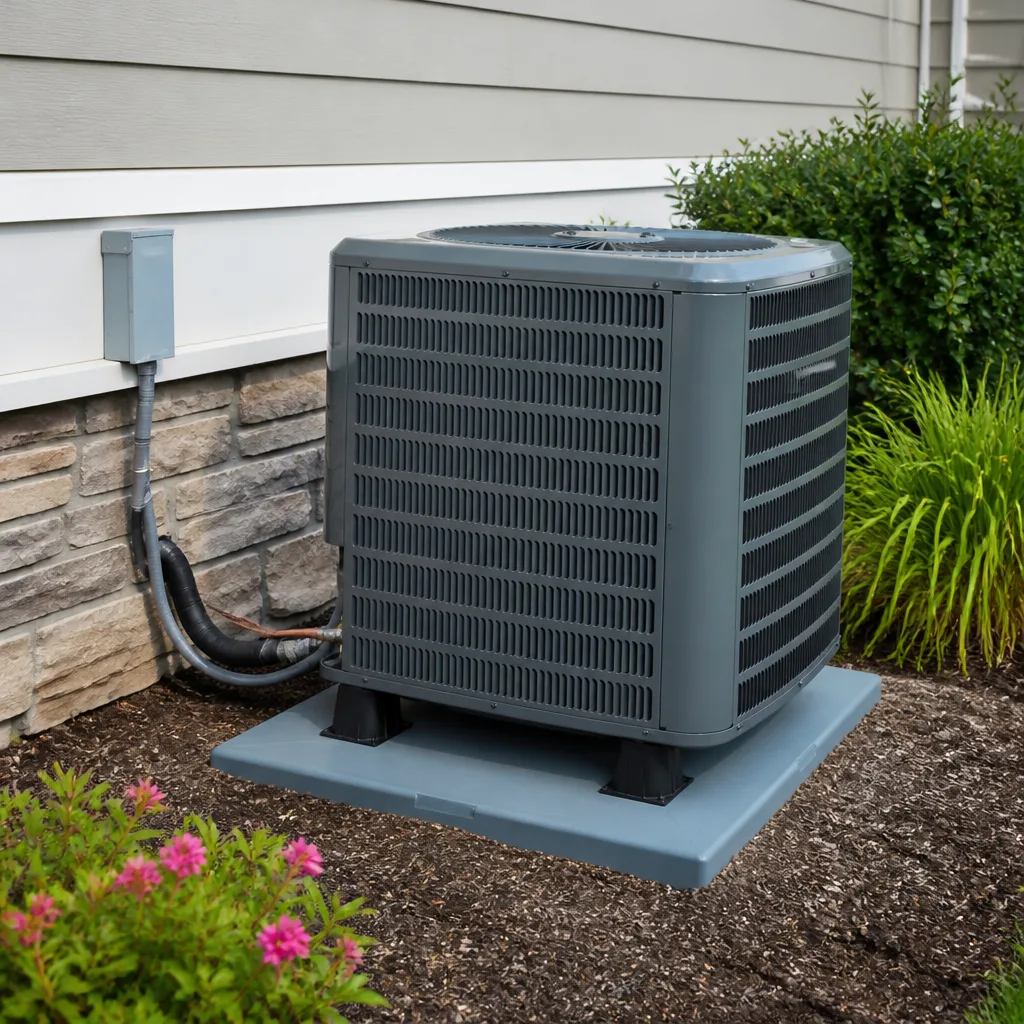 Goodman
Seasonal tune-up and full diagnostic on your Carrier, Trane, or Goodman system - readings shown to you before any repair is proposed
Diagnosis first, numbers second - you approve the repair price before a single part goes in.
Get your free estimateHow to Hire an HVAC Contractor in Sunnyvale: A Step-by-Step Guide
Most homeowners in Sunnyvale assume the dangerous HVAC contractor is the one without a license. In practice, the more expensive mistake usually comes from a fully licensed, well-reviewed company that only works one manufacturer’s line. That contractor isn’t lying to you. They’re recommending the equipment their supply chain, their training, and their dealer agreement point them toward, whether or not it fits the house you actually live in. A C-20 license and a wall of five-star reviews won’t tell you whether they can service the Daikin system the previous owner installed, or whether they’ll quietly steer you toward a full replacement with the brand they stock. This guide walks you through the vetting questions that expose that bias, the license details that matter in California, and the contract line items to demand before anyone touches your system.
Quick Answer
To hire an HVAC contractor in Sunnyvale, verify a current California C-20 license, ask which brands they service and how they handle a system they didn’t install, confirm they’ll run a Manual J load calculation before quoting new equipment, and check whether they pull permits. The right contractor can diagnose and repair equipment from multiple manufacturers and will offer both repair and replacement options without steering you toward a single brand.
Styles & brands we work with
- AC repair
- Furnace & heating
- Heat pumps
- Ductless mini splits
- Carrier
- Trane
- Goodman
Table of Contents
- Which California License Should Your HVAC Contractor Hold?
- How to Test a Contractor’s Brand Independence
- Why a Manual J Load Calculation Matters More Than Reviews
- What Permit Behavior Tells You About a Contractor
- Contract Line Items to Require Before You Sign
- Questions to Ask on the Phone
- What Sunnyvale’s Climate Means for Your System Choice
- How to Judge Repair vs. Replace Advice
Which California License Should Your HVAC Contractor Hold?
Residential HVAC work in California falls under the C-20 Warm-Air Heating, Ventilating and Air-Conditioning Contractor license. A C-38 Refrigeration Contractor license is a different classification, and it’s a common source of confusion when homeowners compare bids. Knowing which one a contractor holds tells you something about the scope they’re actually authorized to perform.
The C-20 classification covers the installation, alteration, and repair of warm-air heating systems, ventilating systems, evaporative coolers, and air-conditioning equipment in residential and light commercial settings. That’s the license you want on the truck when a furnace is being replaced or a split system is going in. The C-38 Refrigeration classification covers refrigeration equipment and process cooling, which is a separate body of work from the comfort cooling most Sunnyvale homes need.
Here’s what to check before you sign anything:
- Look up the license number on the Contractors State License Board website. Confirm it’s active, in the right classification, and issued to the business name on your bid, not a subcontractor you’ve never spoken to.
- Ask whether the company carries general liability insurance and workers’ compensation coverage. A licensed contractor should be able to produce both without hesitation.
- Confirm that any subcontractors on the job are also licensed. A company can hold a valid license while handing your install to an unlicensed crew.
- Ask who will actually be on site for the work. If the person who quoted your job isn’t the person coordinating the install, find out who that is.
The license check is the floor, not the ceiling. A clean CSLB record confirms the contractor is legally allowed to do the work. It says nothing about whether they’re technically competent across the equipment already sitting in your home.
How to Test a Contractor’s Brand Independence
This is the screening step most homeowners skip, and it’s the one that separates a technician from a salesperson. Brand independence means the contractor can diagnose and repair whatever equipment is in your house, not just the lines they’re set up to sell and service under a dealer agreement.
Try this on the phone or during the estimate. Describe the system you have and name the brand. Then ask a version of this: “It’s a Goodman unit the last owner installed. Can you work on that, or do you mainly handle other brands?” How they answer tells you a lot.
A contractor who says “we don’t really service that brand” is telling you they’ll likely recommend a replacement with equipment they do carry. That’s not dishonest, but it’s a financial incentive baked into their recommendation before they’ve even seen your system. A contractor who says “yes, we service those, we also handle Rheem and York” is showing you range.
At AC Repair Sunnyvale, we work on nine of the most widely installed residential brands: Carrier, Trane, Lennox, Goodman, Rheem, York, Daikin, Bryant, and American Standard. That range matters because it means a technician can diagnose the system that’s actually in your home rather than the one they’d prefer to sell. When you’re comparing contractors, ask each one to name the brands they service and how often they work on equipment they didn’t install. A contractor who flinches at that question is telling you something.
The same principle applies whether you’re dealing with an aging furnace or a cooling system that quit midsummer. If your search for AC Repair Sunnyvale turns up a company that only handles one side of the system, you’ll need a second contractor when the other season arrives.
Why a Manual J Load Calculation Matters More Than Reviews
If a contractor hands you a replacement quote without a Manual J load calculation, stop. Manual J is the industry-standard method for calculating how much heating and cooling capacity a specific house needs, based on square footage, window placement, insulation, ceiling height, duct layout, and local climate data. Skipping it is a red flag regardless of how many five-star reviews the company has.
Here’s why it matters in practice. An oversized system short-cycles: it blasts cold air, hits the thermostat setpoint fast, and shuts off before it can properly dehumidify or distribute air evenly. An undersized system runs constantly and never quite keeps up on a hot afternoon. Both problems shorten equipment life and drive up energy use. The only reliable way to avoid either is a load calculation done for your specific house.
A proper Manual J process in Sunnyvale generally involves:
- Measuring room-by-room square footage and ceiling heights.
- Recording window count, orientation, and whether they’re single- or double-pane.
- Noting insulation levels and duct location (attic, crawlspace, or conditioned space).
- Using local design temperatures for the Sunnyvale area rather than a generic national number.
- Producing a written BTU calculation you can actually look at, not a back-of-envelope guess.
“Rule of thumb” sizing (a ton per 500 square feet, or similar) is not a load calculation. It’s a shortcut that gets close on some houses and badly wrong on others, especially older Sunnyvale homes that have been added onto, re-windowed, or re-insulated over the years. Ask directly: “Will you run a Manual J before quoting equipment?” If the answer is no, or vague, take that as your answer.
What Permit Behavior Tells You About a Contractor
Contractors who pull permits consistently are signaling that they work in the open. A permit means the job gets inspected by the city, which means the installation has to meet code, which means shortcuts are harder to hide. A contractor who suggests skipping the permit to “save you time and money” is asking you to carry the risk.
Most cities, including Sunnyvale, require a permit for HVAC replacement and for significant alterations to existing systems. The exact scope and fee come from the city’s building department, so confirm the requirements for your specific job directly with them. What you want from your contractor is straightforward: they should tell you whether a permit is required, include it in the quote, and handle the paperwork themselves.
Ask these questions before hiring:
- Will you pull the permit for this job, and is the fee included in the quote?
- Who schedules the inspection, and will I get a copy of the final sign-off?
- Have you done permitted work in Sunnyvale before? What was the process like?
- If the inspector flags something, who covers the correction?
Permits also protect you at resale. An unpermitted HVAC install can surface during a buyer’s inspection and turn into a negotiation problem. If a contractor’s bid is meaningfully lower than the others, check whether the permit is in there. Sometimes a low bid is just a low bid. Sometimes it’s a bid with the inspection taken out.
Contract Line Items to Require Before You Sign
A handshake and a verbal quote won’t protect you if something goes wrong six months later. The written contract is where the real terms live, and a few specific line items separate a professional proposal from a vague estimate.
Require these in writing before you sign:
- Equipment model numbers. Not just “3-ton Carrier” but the full model and serial number of the condenser, air handler, and any coil. Model numbers let you confirm what you’re actually getting and compare specs.
- Refrigerant type. Note whether the system uses R-410A or a newer refrigerant blend. The refrigerant type affects future service and what’s compatible with the equipment.
- Warranty split between labor and manufacturer. Manufacturer warranties cover parts. Labor warranties cover the technician’s time. These are separate, and the labor warranty is often shorter. Get both in writing, with the number of years for each.
- Inspection scheduling. Who requests the city inspection, when, and what happens if it fails.
- Scope of work. What’s included (line set replacement, pad, disconnect, thermostat) and what’s excluded (drywall repair, duct modifications, electrical upgrades).
- Payment schedule. How much is due at signing, at delivery, and at completion. A large deposit with no milestone structure is a warning sign.
We work on Carrier, Trane, Lennox, Goodman, Rheem, York, Daikin, Bryant, and American Standard, and we quote the model numbers on every proposal. That’s not a sales pitch. It’s what a proposal should look like. If a contractor won’t put model numbers on paper, you don’t actually know what you’re buying.
Questions to Ask on the Phone
You can screen out most bad fits in a five-minute phone call. These are the questions that reveal how a contractor actually operates, before anyone drives out to your house.
- “What brands do you service?” You’re listening for a range, not a single manufacturer. A contractor who names two or three brands is likely locked into a dealer agreement.
- “Can you diagnose a system you didn’t install?” A confident yes is what you want. Hesitation here means they’ll lean toward replacement.
- “Do you run a Manual J before quoting replacement equipment?” Any version of “we size by square footage” is a red flag.
- “Will you pull the permit?” The answer should be an unqualified yes, with the fee in the quote.
- “Do you handle furnace repair and replacement, or just AC?” A company that does both is invested in your system year-round. A summer-only AC shop may not be around when your furnace quits in January.
- “Can I get a written estimate that lists model numbers?” Yes means they’re organized. No means your proposal will be a paragraph.
If your existing system is acting up and you’d rather get a technician out than keep calling around, furnace repair and cooling diagnostics are both parts of our work. Our technicians have up to 10 years of experience, and we can tell you on the phone whether the fix is likely a repair or a replacement conversation.
What Sunnyvale’s Climate Means for Your System Choice
Sunnyvale sits in a part of the South Bay where summers are warm but rarely brutal and winters are mild. That matters for equipment sizing and for how you should prioritize your HVAC spend. A system designed for a Phoenix summer is not the right system for a Sunnyvale house, and a contractor who quotes the same equipment package in both places is not sizing to your climate.
What this means in practice:
- Cooling hours are moderate. A properly sized system will run fewer hours than it would in a hotter inland climate, which stretches equipment life and makes correct sizing even more important. An oversized unit short-cycles more here.
- Heating load is real but modest. Furnaces in Sunnyvale homes run less than they would in the Sierra, but they still get used. A furnace that’s never been serviced is a common failure point when the first cold snap arrives.
- Duct location matters. Many Sunnyvale homes have ducts in the attic, where they pick up heat in summer. Sealing and insulating ducts isn’t glamorous, but it changes how hard your system has to work.
When you’re evaluating a contractor’s recommendations, ask whether the proposed equipment matches your actual load calculation, not a generic climate zone. If you’re comparing options and want to understand what AC installation looks like for a Sunnyvale home, the load calculation is the anchor of the whole conversation.
How to Judge Repair vs. Replace Advice
This is where brand bias does the most damage. A contractor who only sells one brand has a built-in reason to recommend replacement over repair, especially on older equipment that isn’t their line. A contractor who services multiple brands has less to gain from that recommendation.
Repair makes sense when the system is otherwise sound, the failure is isolated to one component, and the repair cost is a modest fraction of replacement cost. Replacement makes sense when the equipment is near or past its expected service life, the failure is systemic (a failed compressor or heat exchanger, not a capacitor), or the repair cost approaches a significant share of a new system.
Ask the technician to walk you through the diagnosis. A good contractor will explain what failed, why it failed, what the repair costs, and what replacement would cost, then give you a recommendation and the reasoning behind it. A contractor who jumps straight to replacement without explaining the repair option is telling you where their incentives lie.
We handle both furnace repair and furnace replacement, which means we can honestly assess which path actually makes sense for your system. If your furnace gave out, one call handles the diagnosis and the path forward. For a wider look at HVAC work in the area, our Sunnyvale page covers the local service picture.
Common Mistakes to Avoid
- Hiring on license and reviews alone. A clean license record and strong reviews confirm a contractor is legitimate. They don’t confirm the contractor can service the brand in your home or will recommend anything other than what they sell.
- Accepting a replacement quote with no Manual J. If the contractor sized your new system by square footage or by what the last one was, the quote is a guess. Ask for the load calculation or walk away.
- Choosing the low bid that skips the permit. A permit means inspection, and inspection means the install meets code. A bid without the permit is cheaper for a reason, and you carry the risk if it surfaces at resale.
- Letting a single-brand dealer diagnose a different brand. If your home has a Rheem or York system and the contractor only works one line, the diagnosis is likely to end in a replacement recommendation. Screen for multi-brand capability first.
- Skipping the furnace because the AC is the emergency. Sunnyvale homeowners often call about cooling in summer and forget the furnace until the first cold morning. A contractor who handles both sides of the system can catch furnace problems before they become no-heat calls.
- Signing a one-line proposal. “Install 3-ton system, $X” is not a contract. Require model numbers, refrigerant type, the labor and manufacturer warranty split, and inspection scheduling in writing.
- Assuming the most expensive brand is the best fit. Premium lines like Carrier and Trane are excellent equipment. Value-tier systems like Goodman and Rheem can be the right call for a specific house and budget. Brand-agnostic advice means the recommendation fits your home, not the dealer’s margin.
See the difference
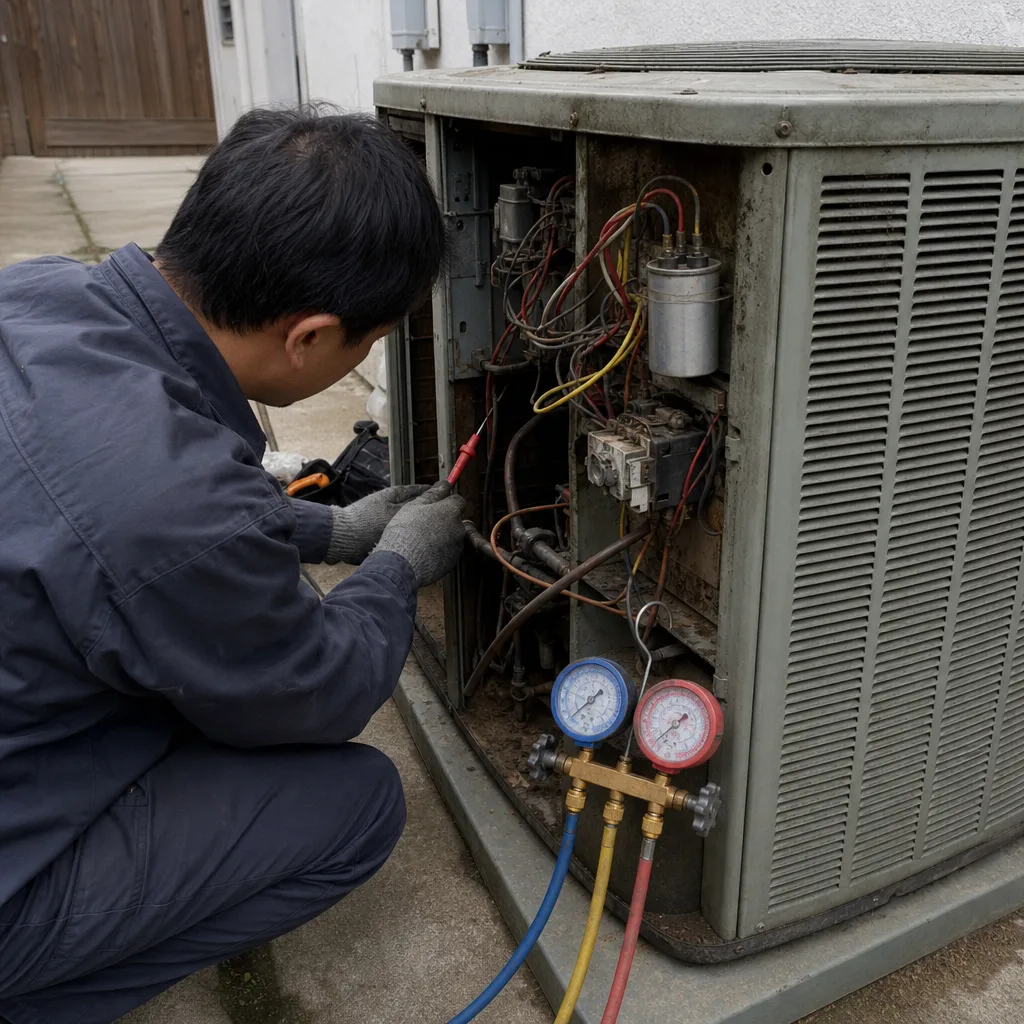 Before
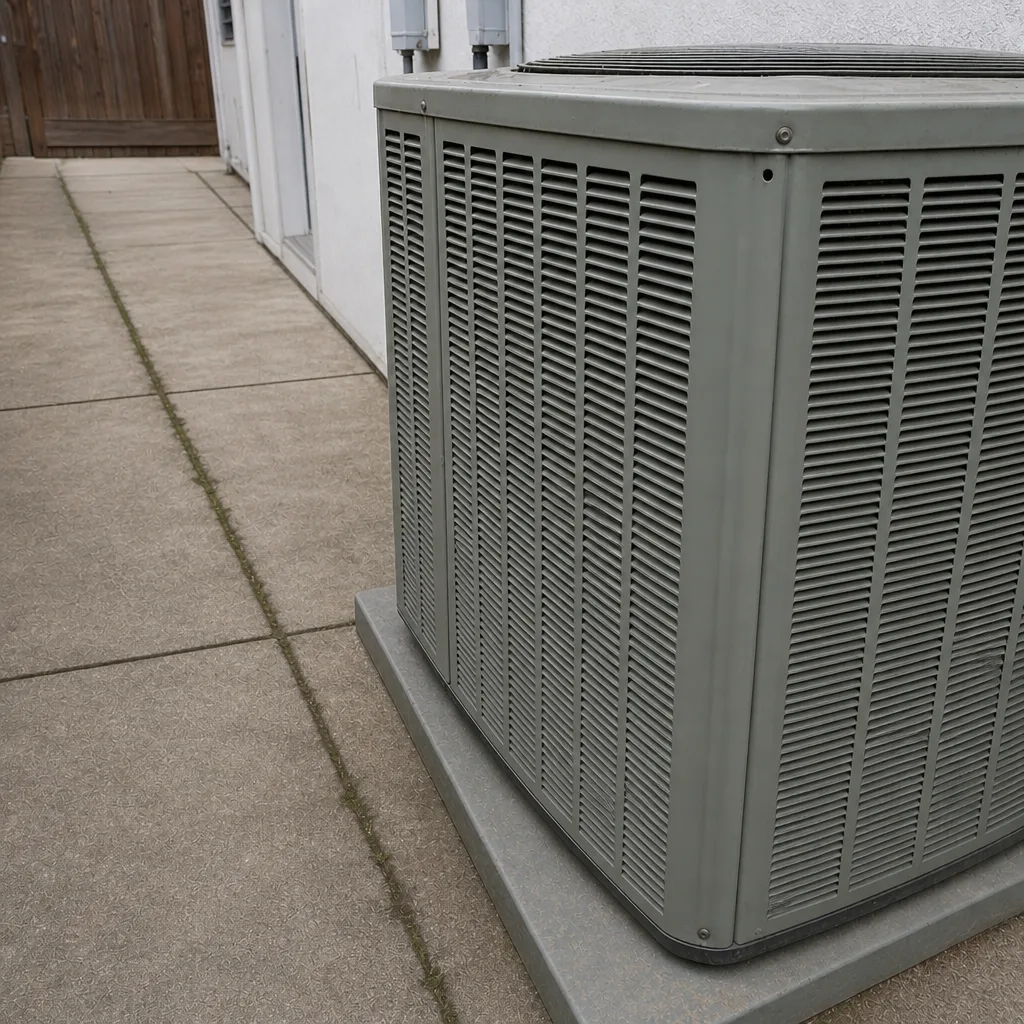 After
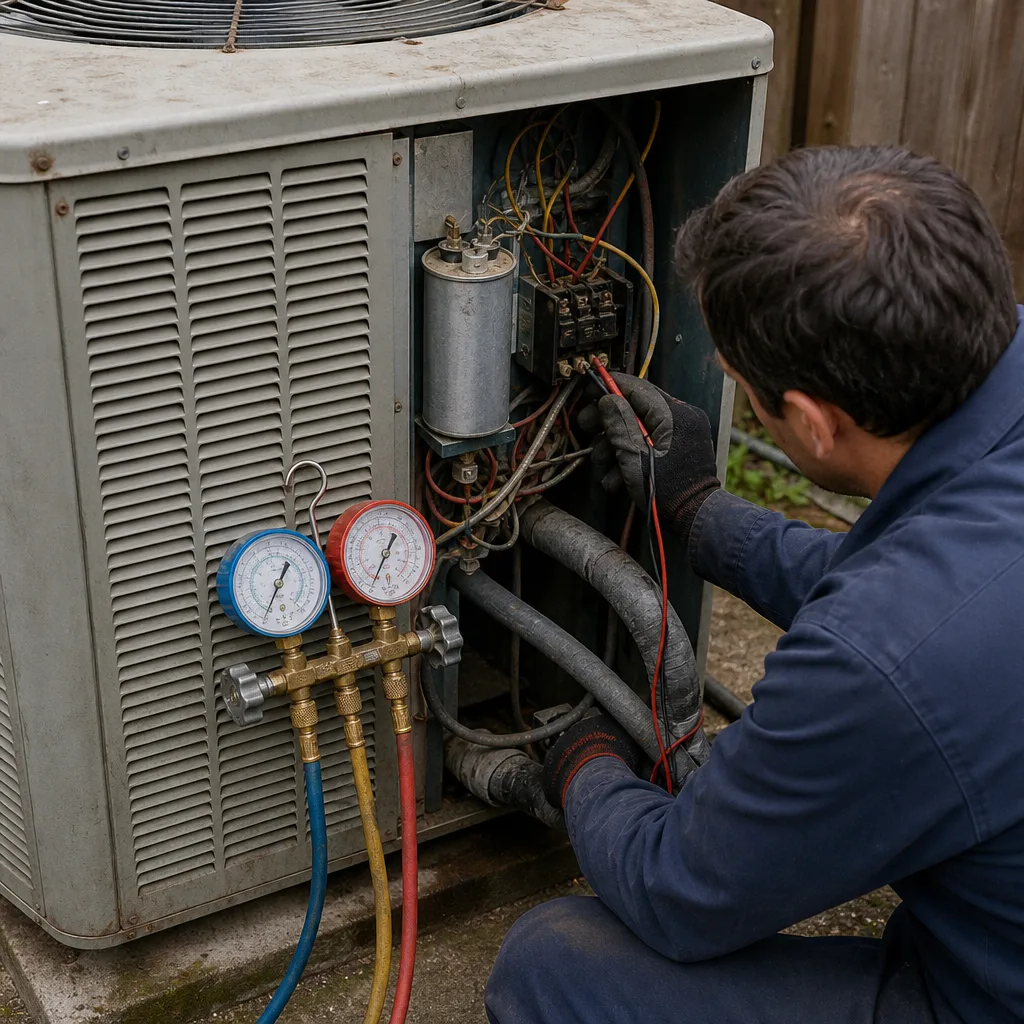 Before
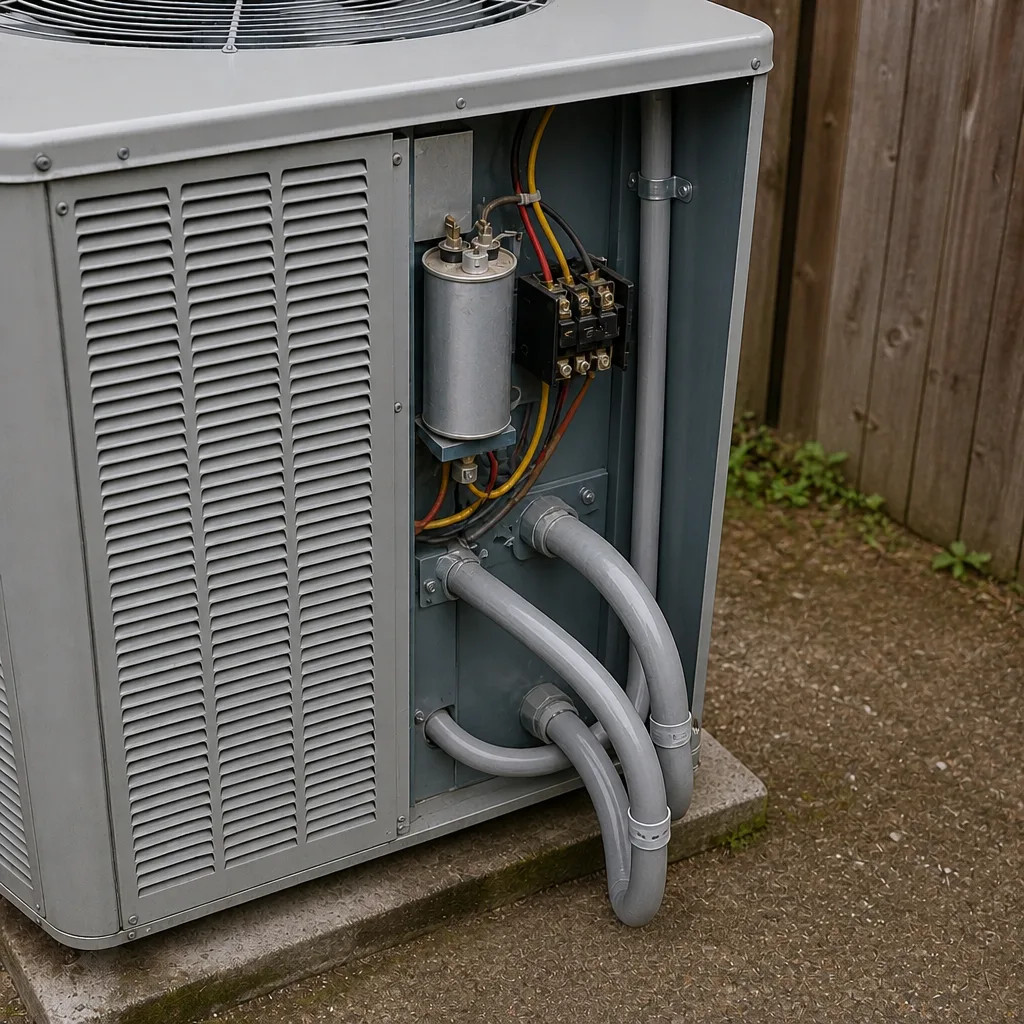 After
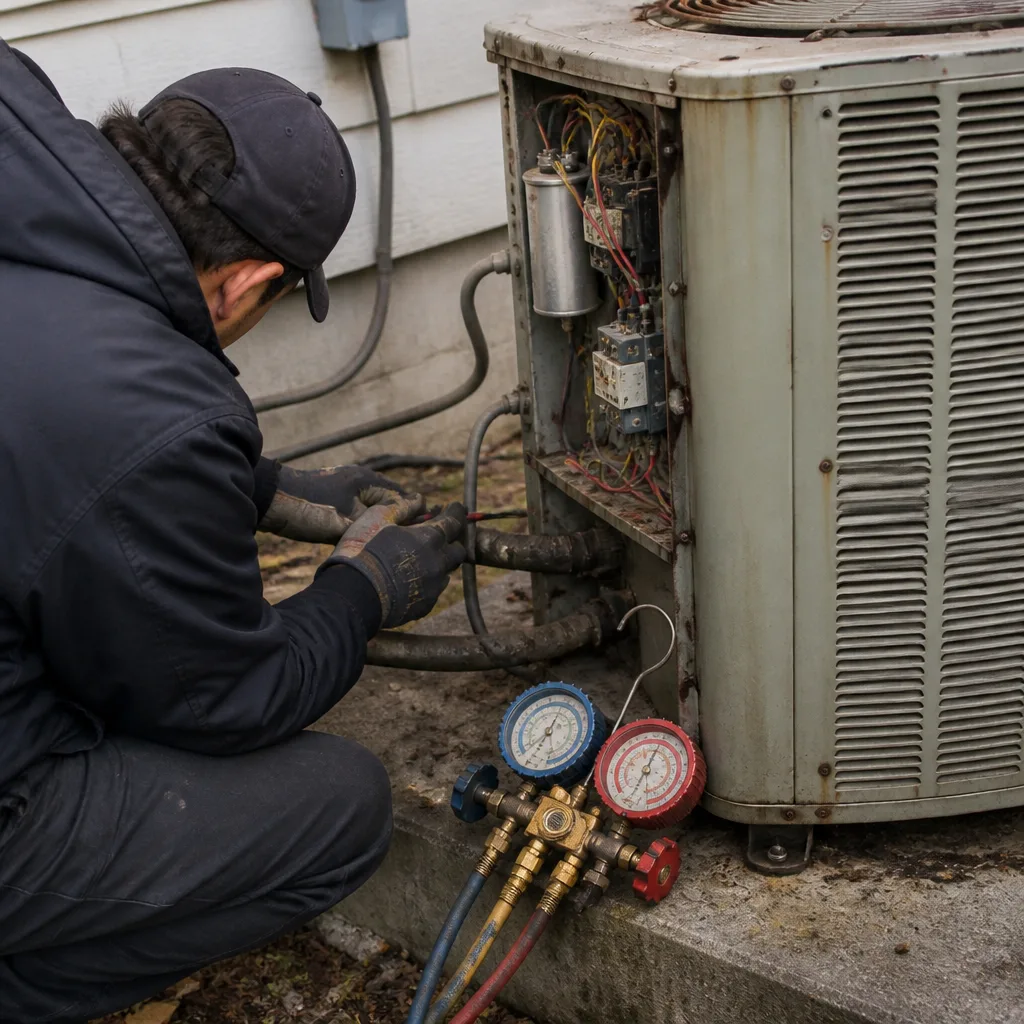 Before
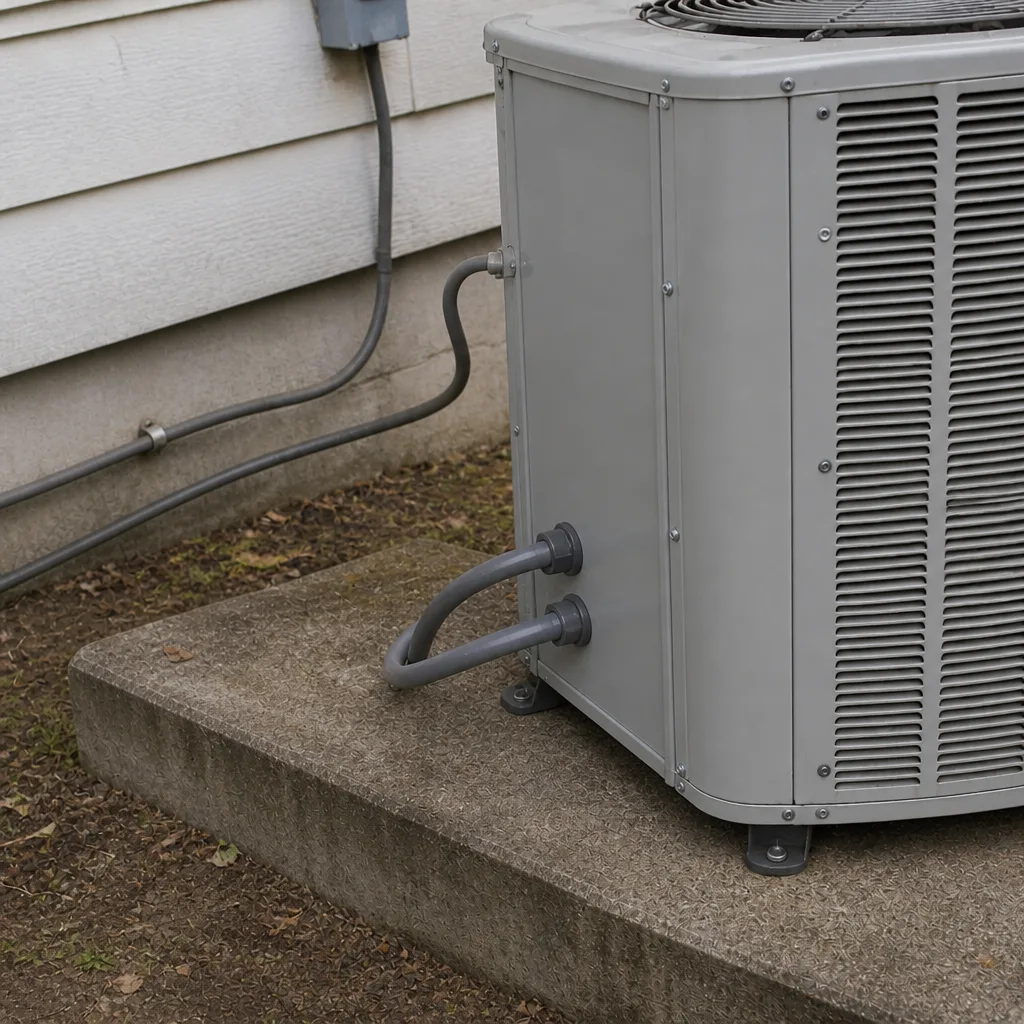 After
When to Call a Professional
Some HVAC problems are safe to investigate yourself: a clogged filter, a tripped breaker, a thermostat set to the wrong mode. Others need a trained technician, and pushing past that line is where homeowners get hurt or make the problem worse. Electrical work inside the air handler, refrigerant handling, gas furnace components, and combustion-related failures are all jobs for someone with the right tools and training. If you smell gas, stop and call your gas utility first.
Call a professional when your system won’t start, when it runs but doesn’t heat or cool, when you hear grinding or rattling from the outdoor unit, when ice forms on the refrigerant lines, or when your furnace is blowing cold air. Age is also a trigger: if a system is well past its expected service life and failing repeatedly, a professional diagnosis will tell you whether repair or replacement is the honest answer.
AC Repair Sunnyvale offers free estimates in Sunnyvale. Call (833) 573-8799 for an assessment. We answer 24/7. Fast dispatch from 7am to 7pm, Sunday through Friday.
Frequently Asked Questions
Look the license number up on the Contractors State License Board website and confirm it’s active, in the C-20 classification, and issued to the business on your bid. Then ask for proof of general liability and workers’ compensation coverage. If a subcontractor is doing part of the work, verify their license too.
A C-20 is the Warm-Air Heating, Ventilating and Air-Conditioning Contractor license, which covers residential comfort heating and cooling work. A C-38 is a Refrigeration Contractor license, which covers refrigeration equipment and process cooling. For a home furnace replacement or AC install, you want the C-20.
Yes. Ask on the phone before you book an estimate. A contractor who names only one or two brands is likely locked into a dealer agreement, which means their replacement recommendations lean toward that brand. A contractor who works across several brands has less financial incentive to push one line. Call (833) 573-8799 and we’ll tell you what we work on.
Manual J calculates how much heating and cooling a specific house needs, based on square footage, windows, insulation, ducts, and local climate data. Skipping it means the new system could be oversized or undersized, which causes short-cycling, uneven comfort, and shorter equipment life. Any contractor who quotes replacement equipment without a load calculation is cutting a corner.
Most cities require a permit for HVAC replacement and significant system alterations, so confirm the requirement for your specific job with Sunnyvale’s building department. A contractor who pulls permits consistently is working in the open. If a bid is notably lower than the rest, check whether the permit is included.
Yes. We handle furnace repair, furnace replacement, and AC installation under one company, so a heating problem and a cooling project don’t require two contractors. Our technicians have up to 10 years of experience working across Carrier, Trane, Lennox, Goodman, Rheem, York, Daikin, Bryant, and American Standard equipment.
The Bottom Line
The best HVAC contractor in Sunnyvale isn’t the one with the most reviews or the lowest bid. It’s the one who can diagnose equipment from multiple manufacturers, runs a Manual J before quoting replacement, pulls permits, and puts model numbers and warranty terms in the contract. Screen for technical range and transparency, not credentials alone. A C-20 license and a clean CSLB record confirm the contractor is allowed to do the work. Everything that determines whether the work is done right comes down to the questions you ask before you sign. Brand-agnostic competence beats a single-manufacturer dealer every time.
If you’re ready for a straight answer on your system, call AC Repair Sunnyvale at (833) 573-8799 for a free estimate. We answer 24/7. Fast dispatch from 7am to 7pm, Sunday through Friday.
Written by the team at AC Repair Sunnyvale.