
Last updated November 15, 2026
 AC repair
 Furnace & heating
 Heat pumps
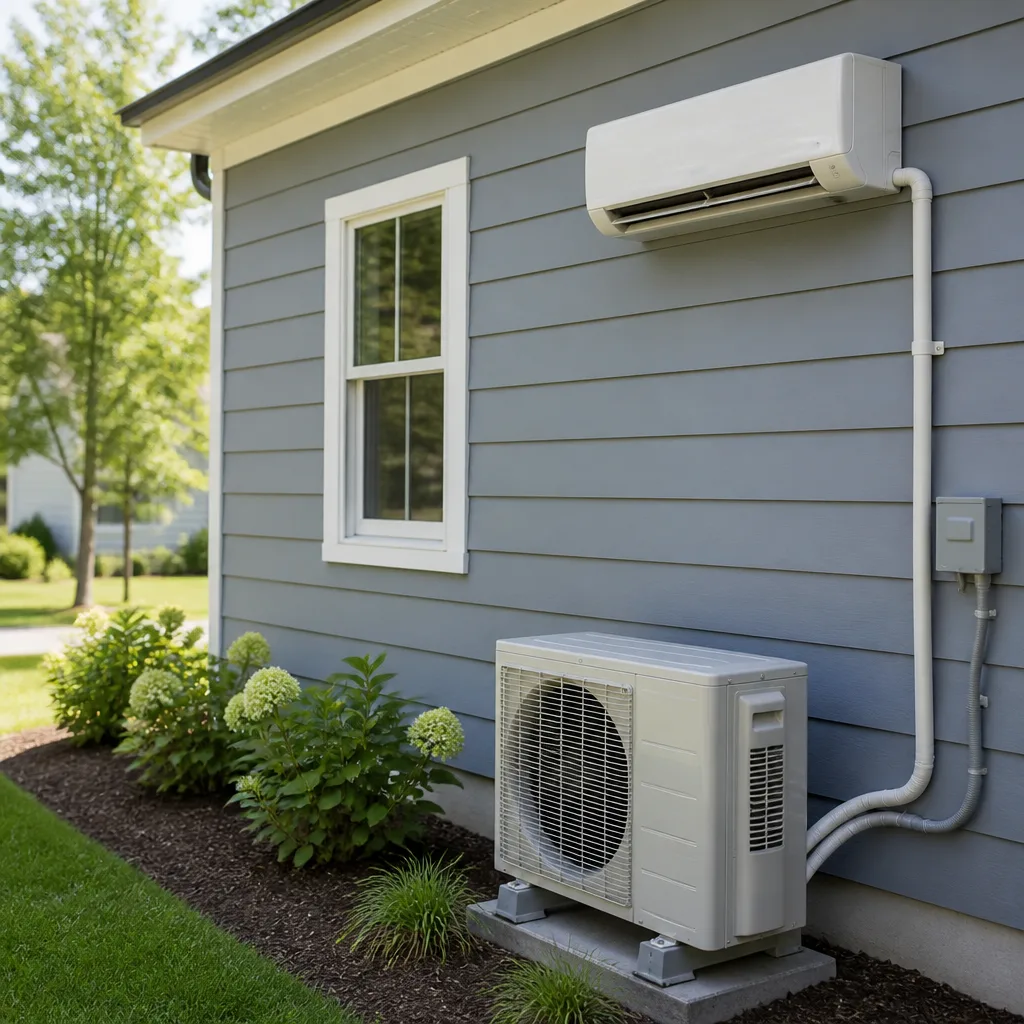 Ductless mini splits
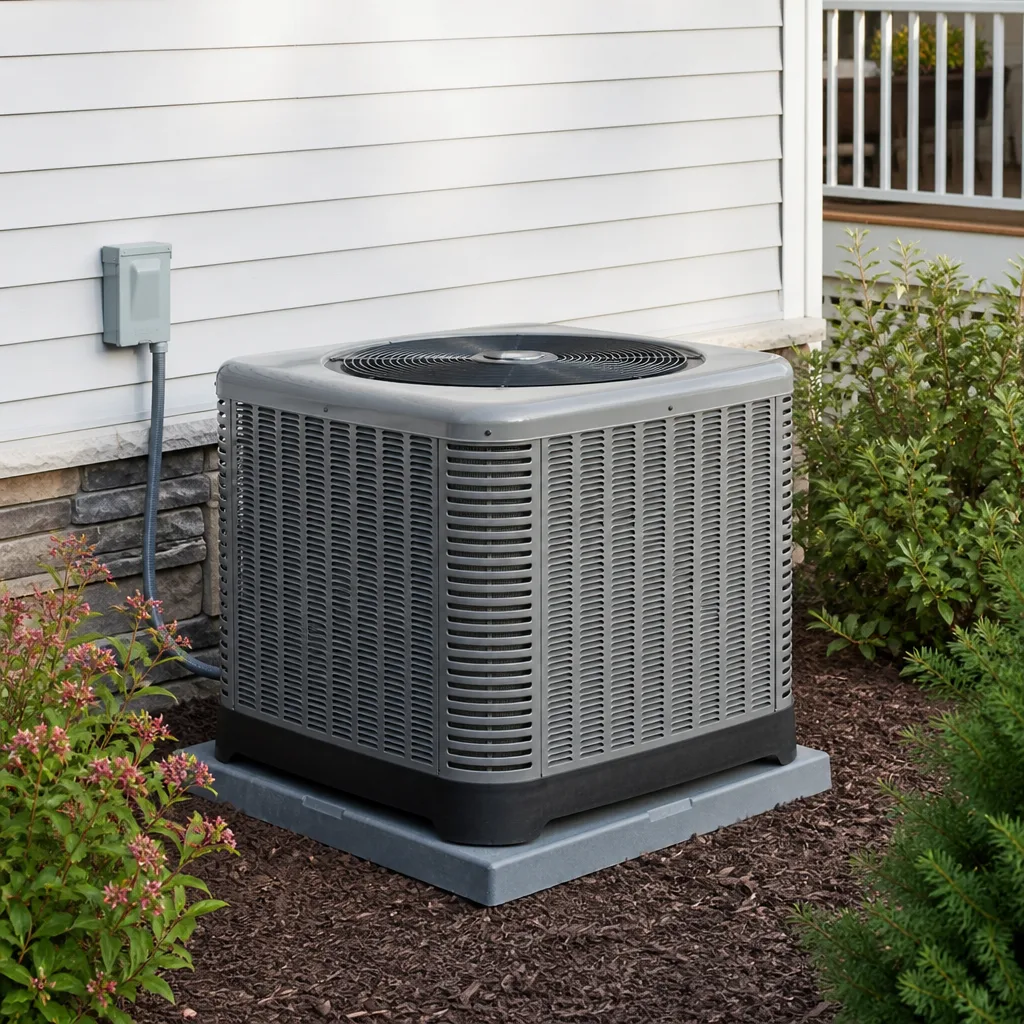 Carrier
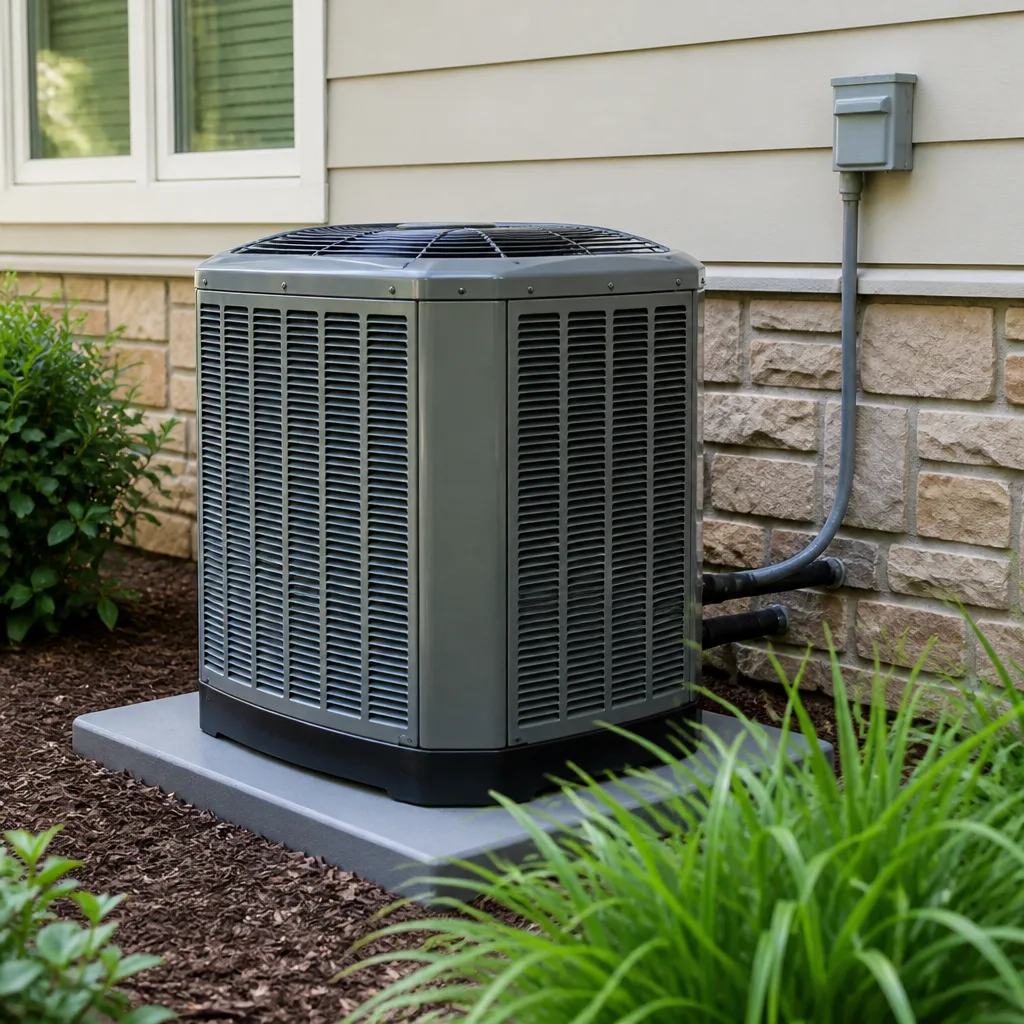 Trane
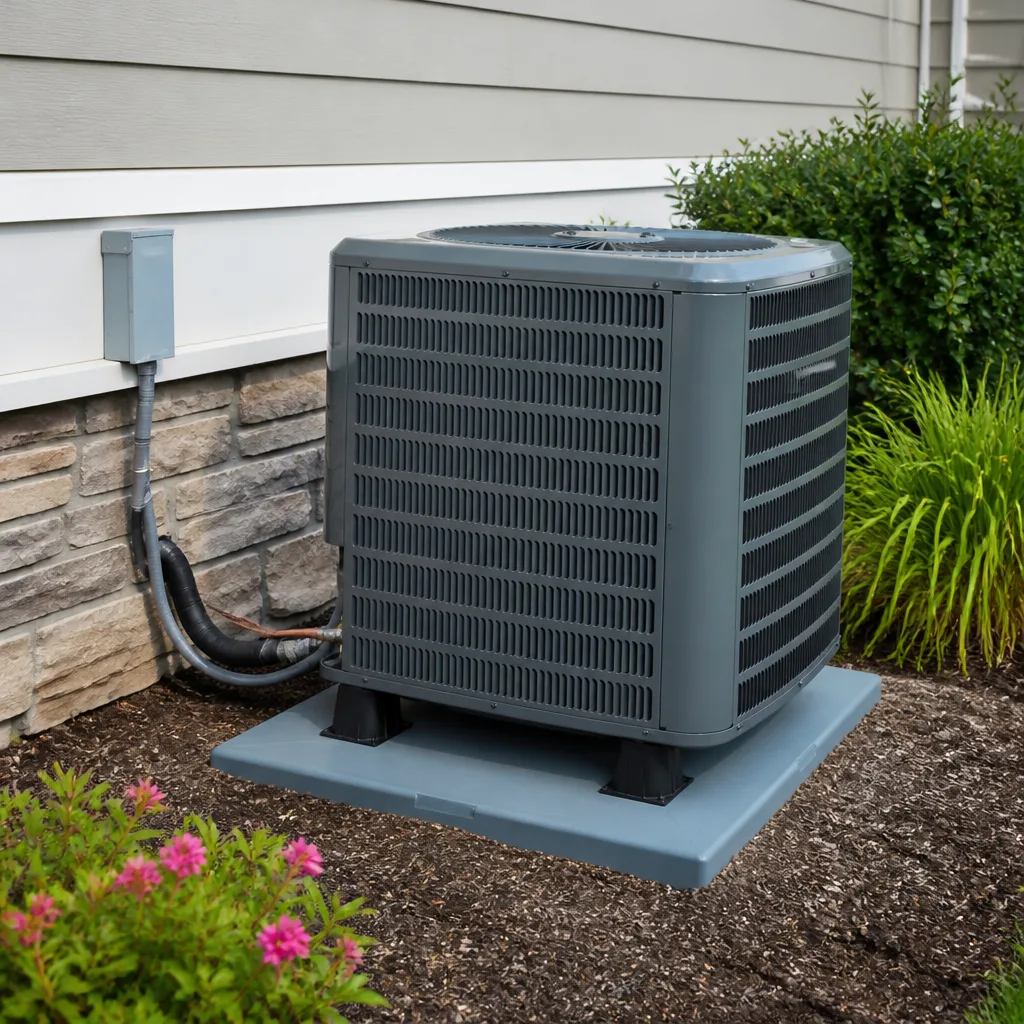 Goodman
Seasonal tune-up and full diagnostic on your Carrier, Trane, or Goodman system - readings shown to you before any repair is proposed
Diagnosis first, numbers second - you approve the repair price before a single part goes in.
Get your free estimateHVAC Cost Breakdown: The Sunnyvale Homeowner’s Reference for 2026
That $8,500 AC installation quote isn’t padding. But neither is the $6,200 quote legitimate if it’s skipping the permit, the Manual J load calculation, and the electrical upgrade your panel actually needs. Most homeowners in Sunnyvale shop HVAC with national cost guides in hand, then get blindsided by bids that run 20 to 40 percent higher than what the internet told them to expect. The gap isn’t greed. It’s Bay Area labor rates, Title 24 compliance work, and equipment pricing that behaves differently here than it does in most of the country. This guide breaks down what every line item is actually paying for so you can read a quote properly, spot a lowball before it becomes a callback, and compare brands on installed cost instead of sticker price. By the end you’ll know what drives the number, what’s hidden, and what’s negotiable.
Quick Answer
A full AC installation in Sunnyvale typically runs $6,500 to $14,000 in 2026 depending on system size, efficiency tier, and whether your electrical panel and line set need work. Diagnostic and repair calls are separate and far cheaper, usually $120 to $450 for common fixes. The final number is set per job by a written estimate, and the biggest variable is not the brand on the box. It’s the site work behind the wall.
Styles & brands we work with
- AC repair
- Furnace & heating
- Heat pumps
- Ductless mini splits
- Carrier
- Trane
- Goodman
Table of Contents
- What Drives Labor Costs in Sunnyvale?
- Equipment Cost Tiers and Title 24 Minimums
- The Hidden Line Items That Separate Complete Quotes From Lowball Quotes
- How to Compare Multi-Brand Quotes
- Rebates and Incentives in 2026
- Repair or Replace? The Math
- What a Diagnostic Visit Actually Covers
- Common Mistakes to Avoid
What Drives Labor Costs in Sunnyvale?
Labor is the single largest swing factor in any Sunnyvale HVAC quote, and it’s the line most homeowners misjudge. Bay Area technician wages, permit-processing time, and the physical difficulty of working in this housing stock all push the rate above national benchmarks. When you compare a Sunnyvale bid to a $4,900 national average from a cost guide, you’re comparing to a market that doesn’t have our labor economics.
Here’s what the labor line is actually paying for:
- Skilled technician time at Bay Area wage rates. Our technicians have up to 10 years of experience, and a crew that can correctly size, braze, evacuate, and commission a system is not the cheapest labor in the market. It’s the labor that keeps you out of a callback loop.
- Load calculation and system design. A Manual J calculation is not paperwork theater. Sunnyvale’s mix of older ranch homes and newer infill construction means attic insulation and window performance vary wildly block to block, and the tonnage has to match the actual load, not a rule of thumb.
- Permit coordination. Pulling and closing the mechanical permit takes real administrative time and a real inspection schedule.
- Site difficulty. Attic and crawlspace access, roof-mounted condensers, and tight side-yard clearances all add hours.
- Commissioning and verification. Refrigerant charge verification, airflow measurement, and a documented startup.
The practical upshot: two quotes for the same equipment can differ by thousands of dollars on labor scope alone, and the cheap one is usually cheap because a step was dropped. If you’re weighing a repair against a full replacement, our AC Repair Sunnyvale team can assess which path actually fits your system before you commit.
Equipment Cost Tiers and Title 24 Minimums
California’s Title 24 energy code sets a floor on what equipment can legally be installed in a Sunnyvale home, and that floor sits higher than the federal minimum. You can’t simply buy the cheapest condenser on the market and have it pass inspection. This is one reason local quotes look elevated next to national guides: the baseline eligible equipment is more efficient, and therefore more expensive, than what a homeowner in a lower-code state would be quoted.
Equipment sizing generally falls into three tiers:
- Entry tier (value lines). Brands like Goodman and Rheem anchor this tier. Solid, serviceable equipment with widely available parts and predictable repair costs. This is where most Sunnyvale replacement budgets land.
- Mid tier. Higher efficiency ratings, better sound levels, and longer parts coverage. The sweet spot for homeowners planning to keep the house long term.
- Premium tier. Brands like Lennox and Trane live here, along with communicating system features and variable-speed components. The equipment costs more and the service history tends to be more expensive too, simply because the components are more complex.
Title 24 also constrains duct work and refrigerant line requirements in a replacement, so a “simple swap” often isn’t simple. If the existing system was installed under an older code cycle, the new unit may require duct sealing, a refrigerant line set change, or both before it passes. That’s site work, and it lands in the quote.
The Hidden Line Items That Separate Complete Quotes From Lowball Quotes
This is where most Sunnyvale homeowners get burned. A lowball quote isn’t always dishonest, but it’s almost always incomplete. The difference between a $6,200 bid and an $8,500 bid is usually not profit margin. It’s the four or five line items the cheap quote left out and will invoice later, or skip entirely.
Here’s what belongs in a complete quote:
- Mechanical permit and inspection fees. A legitimate installation includes the permit. If a quote doesn’t mention it, ask directly whether it’s included and who pulls it.
- Electrical disconnect replacement. Many older Sunnyvale homes have an undersized or aged disconnect at the condenser. Replacing it is safety-critical work, and it’s a common omission.
- Line-set modification or replacement. If the new unit needs a different refrigerant line configuration, or the existing lines are kinked or undersized, that’s a real cost.
- Pad, curb, and mounting hardware. Small numbers that add up, and they’re frequently absent from shaky bids.
- Equipment disposal and refrigerant recovery. Legally required, and it has a cost attached.
- Startup, commissioning, and airflow verification. The work that proves the system actually performs as designed.
When you compare bids, don’t compare totals. Compare line items. A quote that names every one of these is the one you can trust to hold its number, and a written estimate sets the final price for the job. Our team can walk you through a AC installation quote line by line if you’re not sure what you’re looking at.
How to Compare Multi-Brand Quotes
Two systems with identical SEER2 ratings can land at very different installed costs, and they can cost meaningfully different amounts to service five years out. That gap is the thing national cost guides never explain, and it’s why working with a shop that services many brands matters more than it sounds. We work on nine major brands, including Lennox, Goodman, Rheem, and York, which means we can compare equipment on your actual home and budget rather than steering you toward whatever carries the best dealer incentive.
When you’re holding two quotes side by side, look at these four things:
- Installed cost, not equipment cost. A premium brand with a full site-work package can be a better value than a value brand with incomplete scope, and vice versa. Price the whole job.
- Parts availability. Widely distributed brands mean faster repairs and lower part costs down the road. Ask how quickly common components can be sourced locally.
- Service complexity. Variable-speed and communicating systems are more efficient and more expensive to diagnose and repair when they fail. That’s a long-term cost, not a sticker cost.
- Who’s servicing it after install. Equipment warranty is one thing. Labor and competent diagnosis on your specific brand is another.
Nine brands, one team. That breadth is what lets us tell you honestly whether a repair makes sense or a replacement does, without a financial bias toward either answer. Heating and cooling under one contractor also means you’re not hunting for a separate furnace specialist when winter comes, and our furnace repair side covers the full heating scope.
Rebates and Incentives in 2026
Incentive stacking is one of the most misunderstood parts of the HVAC buying process, and it’s worth understanding before you sign anything. The programs that apply to Sunnyvale homeowners generally fall into three buckets: regional efficiency programs like BayREN, utility programs through PG&E, and federal tax credits under the Inflation Reduction Act. These can sometimes be combined, but stacking them correctly takes coordination, and not every program applies to every system or every homeowner.
How to sequence it properly:
- Confirm equipment eligibility first. Rebates and credits are tied to efficiency thresholds and to the specific equipment model installed, not to the job description. Get the model number before you submit anything.
- Check program availability and caps. Funds for regional and utility programs can be exhausted or adjusted, so confirm the current status rather than assuming the figure you saw in a guide is live.
- Keep your documentation. Permit records, invoices, and equipment specification sheets are all commonly requested.
- Have the installer handle the paperwork transparency. Rebate and credit paperwork should be spelled out in your written scope so you know who files what.
We provide written fixed-price quotes for installations and set a firm install date, and we’ll lay out which programs apply to your job and what the paperwork requires. Don’t count on a rebate to close a budget gap until you’ve confirmed the eligibility and the program’s current status.
Repair or Replace? The Math
Repair wins when the fix is a component with a known lifespan ahead of it. Replace wins when the repair cost approaches a meaningful fraction of a new system, or when the repair is the second or third major failure on aging equipment. The useful question isn’t “how old is it,” it’s “what’s the remaining serviceable life, and what does the next failure cost?”
A few decision rules that hold up in Sunnyvale:
- Single compressor or condenser fan failure on a system with life left. Repair is usually the right call.
- Repeated refrigerant leaks on a system with older refrigerant. Costs climb and often push toward replacement.
- Heat exchanger failure on a furnace. This is a safety issue, and replacement is the standard path.
- System already at the top of its efficiency tier with a major failure. Replacement often wins on long-run cost.
Because we handle both repair and full replacement on furnaces, and we’re brand-agnostic on equipment, we can give you a straight answer on which one actually makes sense. Repair or replace, we’ll tell you which one is the honest call.
What a Diagnostic Visit Actually Covers
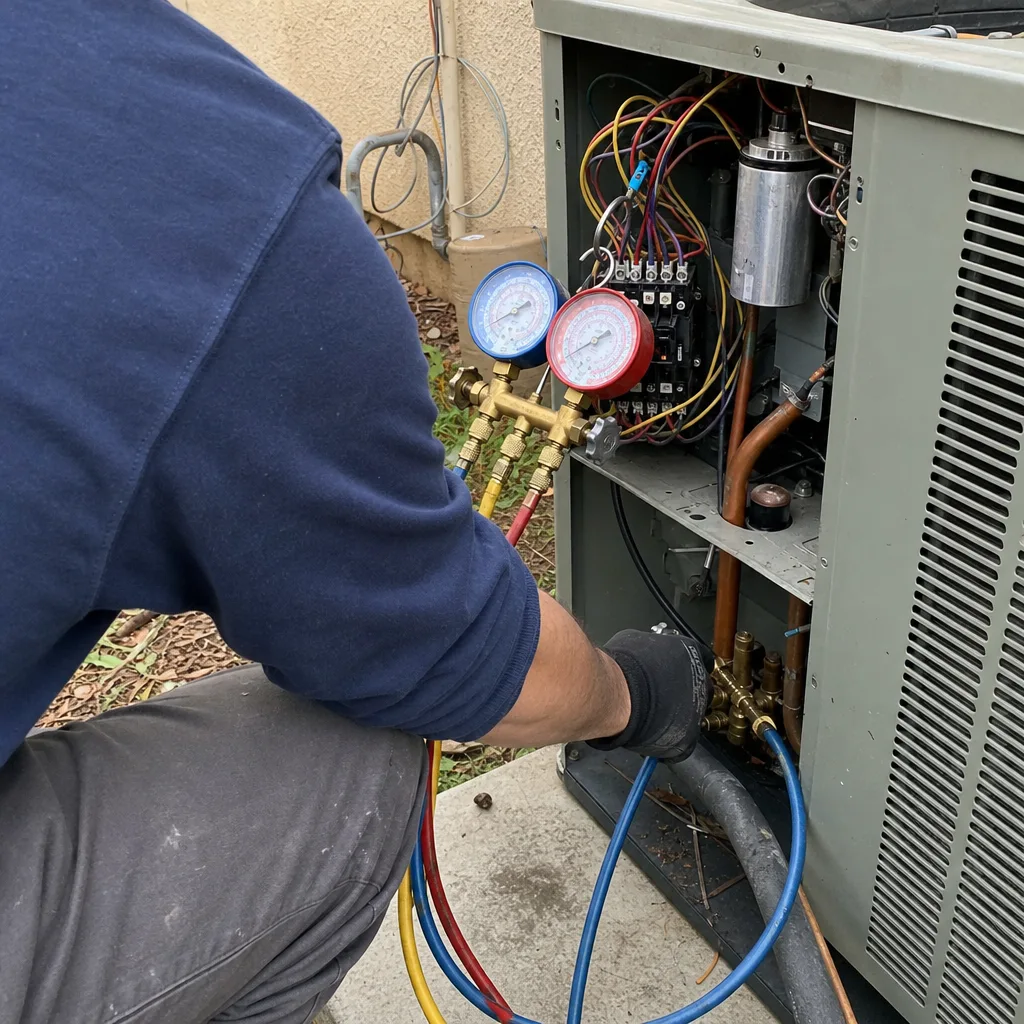
A diagnostic visit is not a sales call, and you should know what a competent one includes before the technician arrives. In our experience the useful diagnostic covers electrical, refrigerant, airflow, and control function, with a written finding you can act on. Repairs are quoted separately, and the price is set per job by the written estimate.
A proper diagnostic walk-through covers:
- Electrical readings at the contactor, capacitor, and motor, with measurements documented.
- Refrigerant pressures and superheat or subcooling verification against the manufacturer’s spec.
- Airflow and filter condition, because half of “weak cooling” complaints turn out to be an airflow problem.
- Thermostat and control board function.
- A written summary of what was found and what a repair would involve.
Whether your furnace gave out or your AC won’t start, one call handles it. We answer 24/7. Fast dispatch from 7am to 7pm, Sunday through Friday. Same-day service is often possible on repair calls, and we’re closed on Saturday, so a Saturday call gets booked into the next opening. If you’re in Sunnyvale and want to know what a proper diagnostic looks like, call (833) 573-8799 for a free estimate.
Common Mistakes to Avoid
- Comparing total price instead of line items. The cheapest bid often has the shortest scope. If the permit, disconnect, or line set is missing from the quote, it will show up later or not at all.
- Assuming national cost guides apply here. Bay Area labor rates and Title 24 compliance costs push real Sunnyvale pricing above national averages, and shopping against those guides leads to bad decisions in both directions.
- Buying on SEER2 rating alone. Two systems with the same rating can have different installed costs and very different long-term service costs. Efficiency is one variable, not the decision.
- Skipping the load calculation. An oversized system short-cycles, doesn’t dehumidify well, and wears out faster. In a Sunnyvale housing stock that ranges from older ranch homes to newer infill, sizing has to be calculated, not guessed.
- Assuming a rebate will cover a bigger gap than it will. Confirm eligibility, current program status, and caps before you build a budget around an incentive.
- Not asking who services your brand after install. Equipment warranty without competent local service on that specific brand is a warranty you can’t easily use.
- Calling the cheap quote first. A quote that skips the electrical upgrade your panel needs isn’t cheaper. It’s deferred, and a failed condenser in the middle of summer is a worse outcome than a higher quote up front.
See the difference
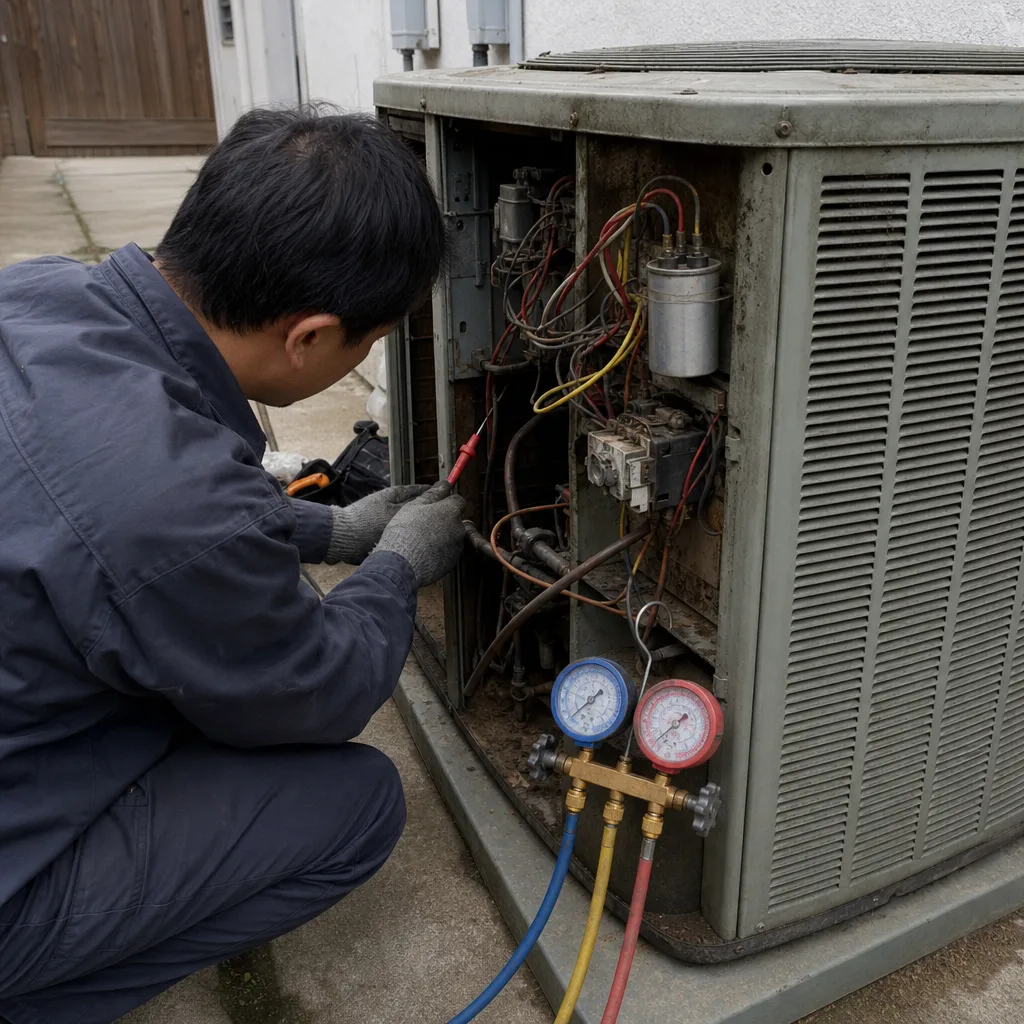 Before
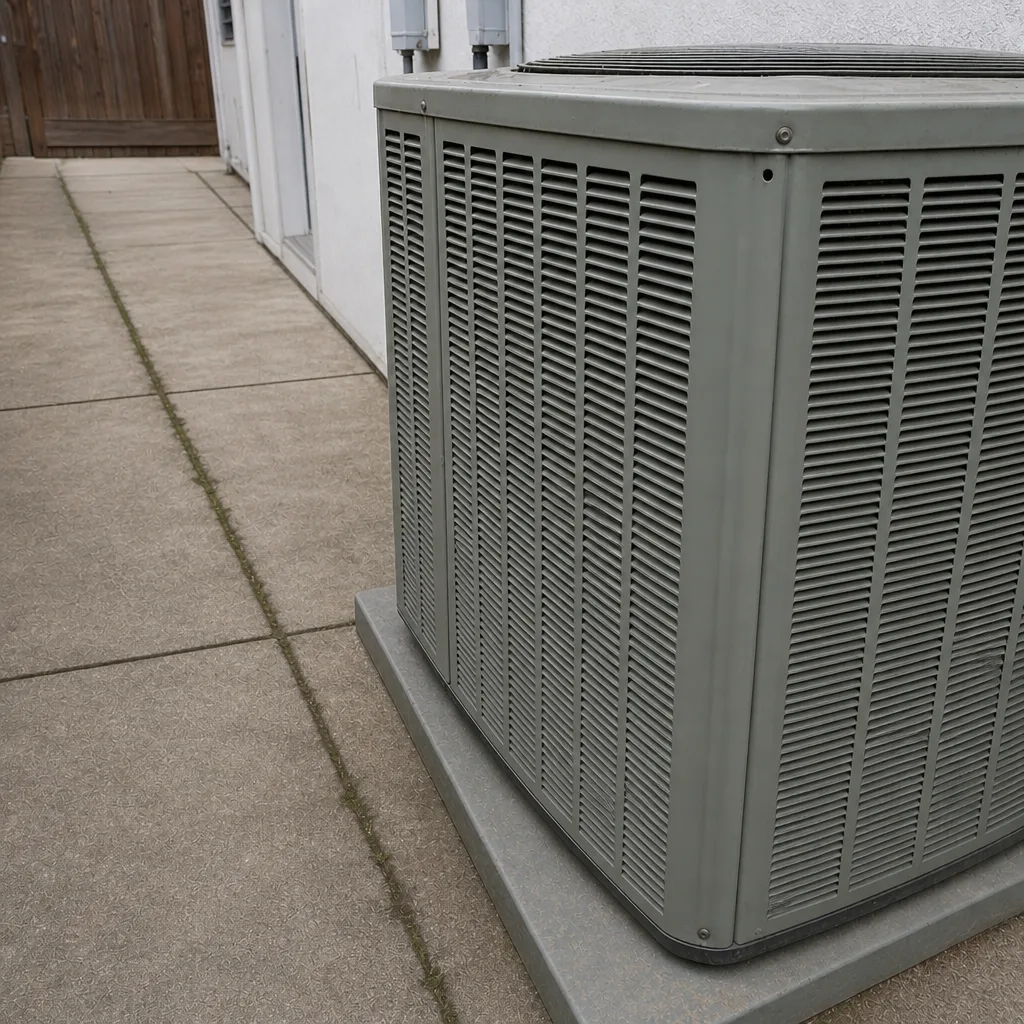 After
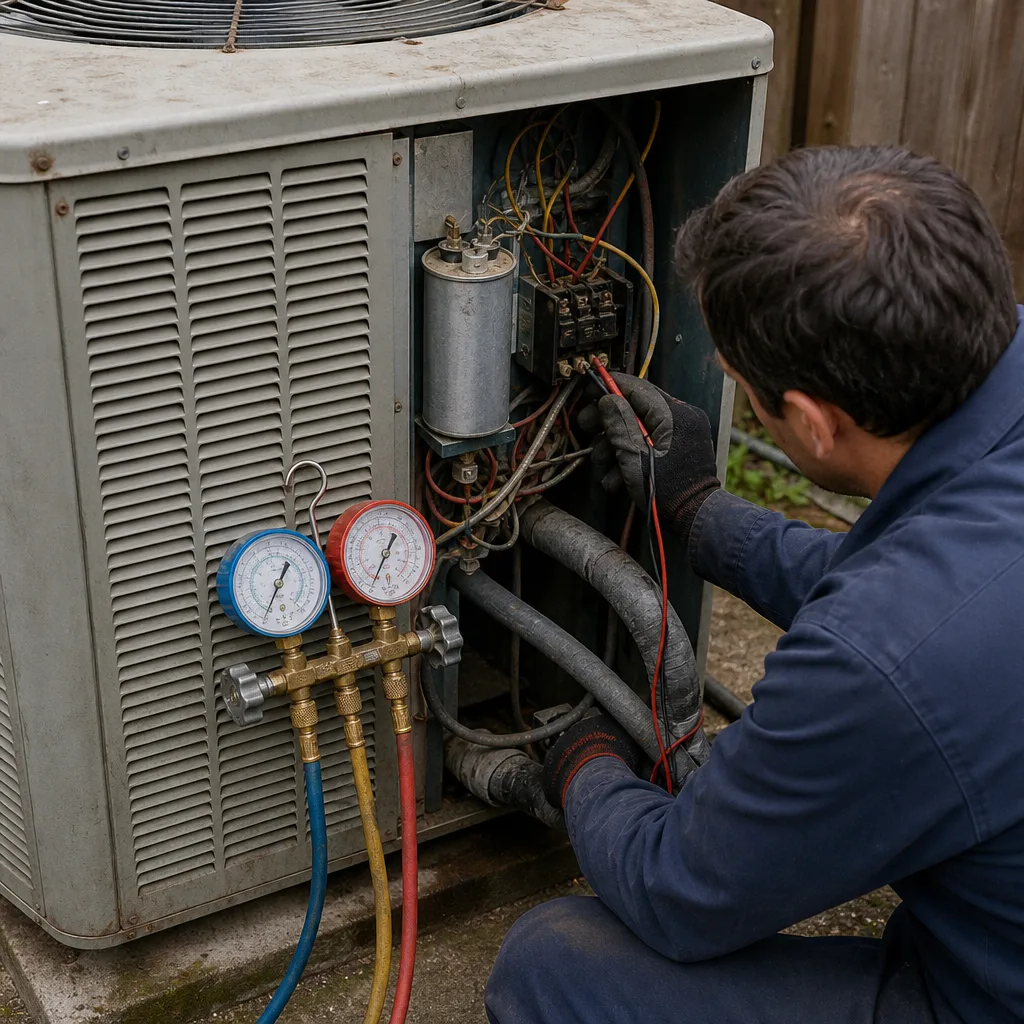 Before
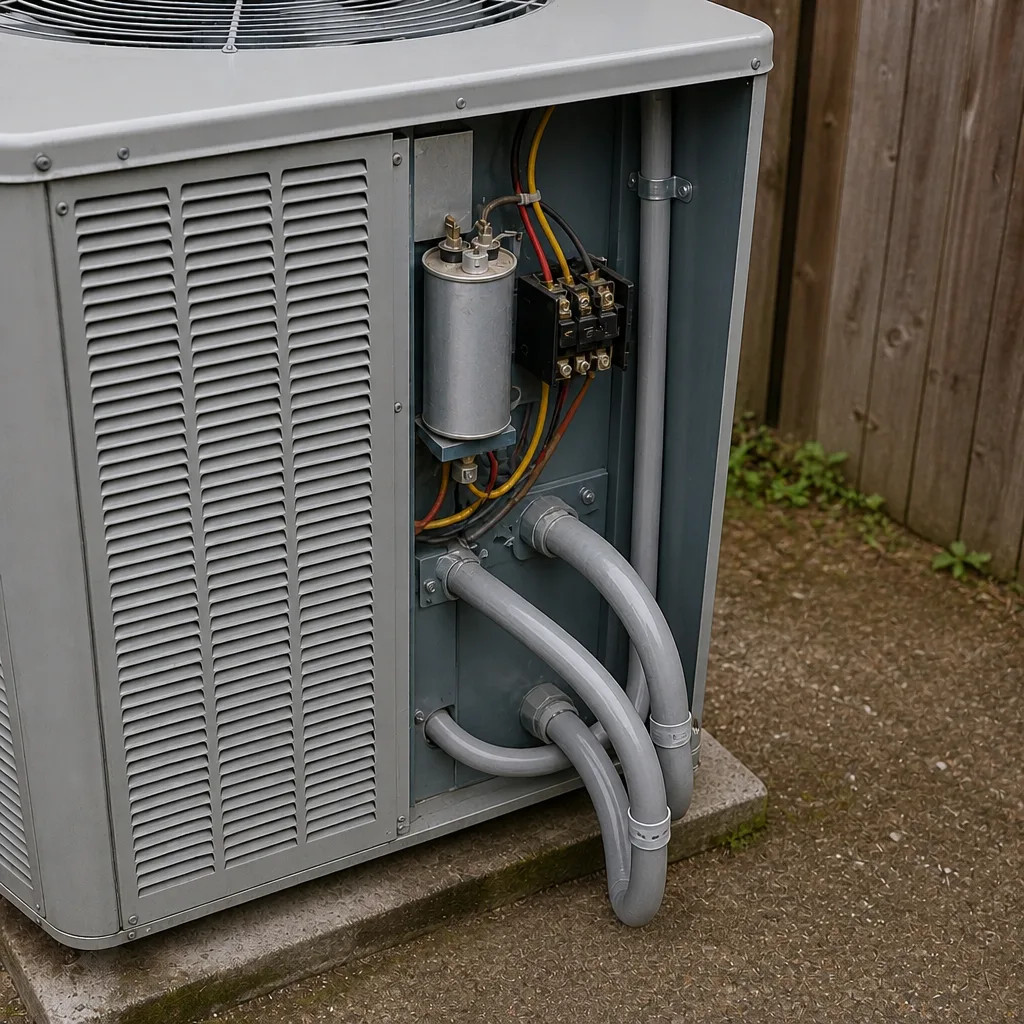 After
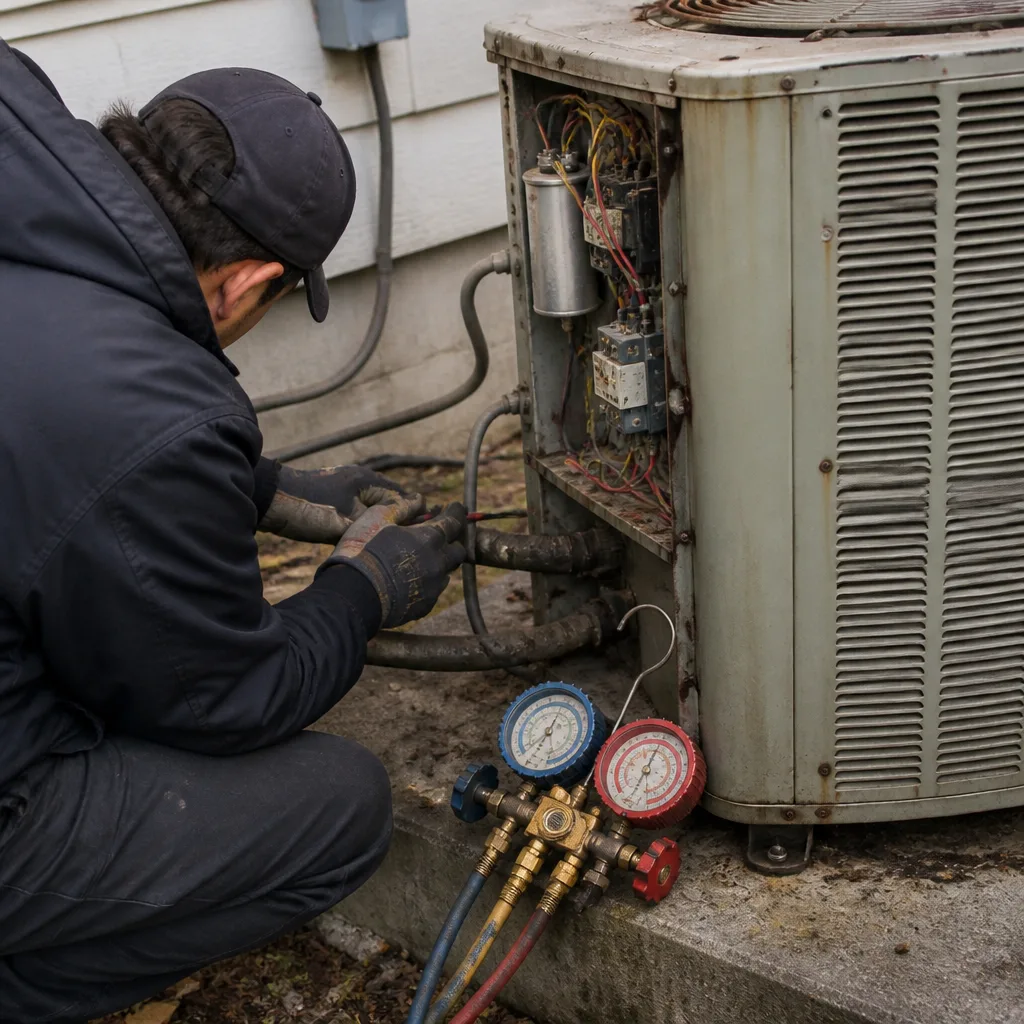 Before
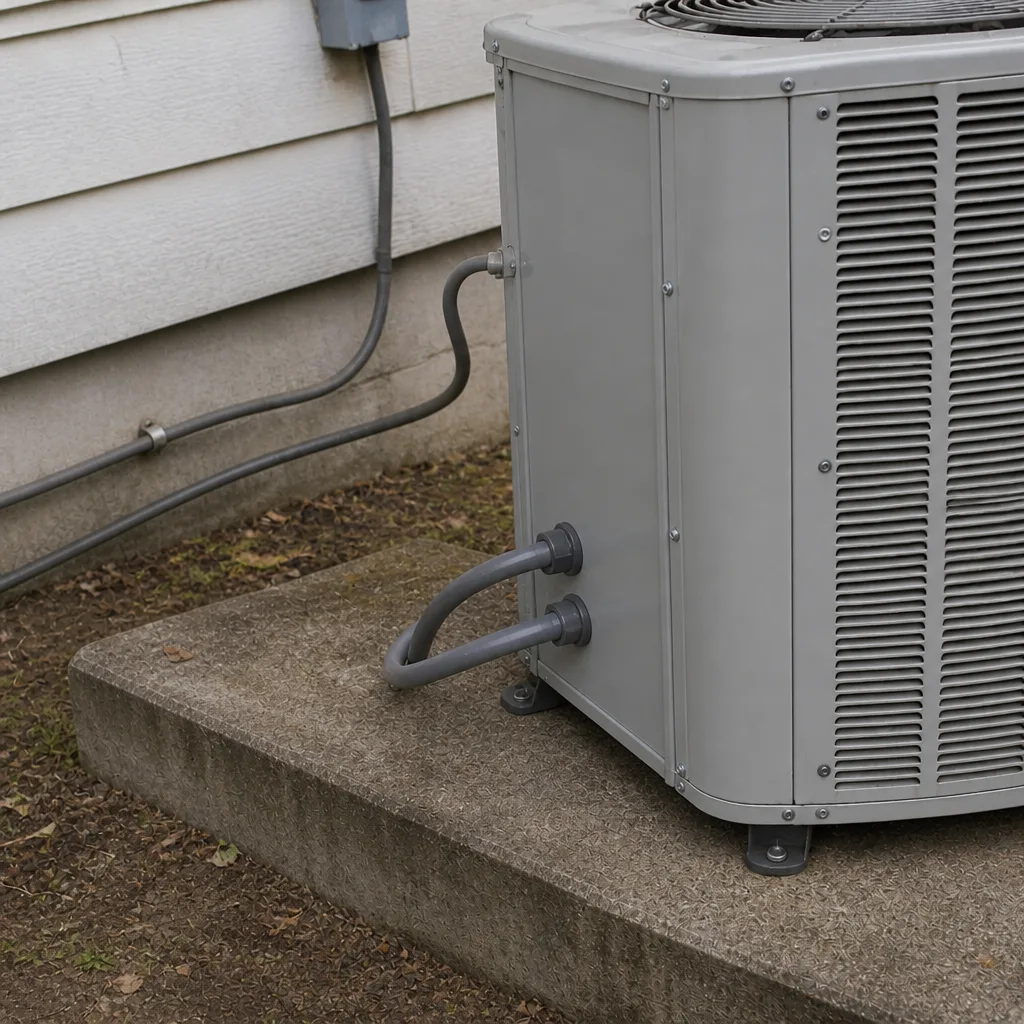 After
When to Call a Professional
Call us when the system short-cycles, when the AC runs but doesn’t cool, when the furnace won’t light, or when you smell anything unusual near the air handler. Call us when a quote seems too low to include the permit or the electrical work, and you want a second read on the scope. Call us before you sign a replacement contract if you’re not sure the load calculation was actually done. We handle both heating and cooling under one contractor, and we’re brand-agnostic on equipment, so the recommendation isn’t tied to a manufacturer. AC Repair Sunnyvale offers free estimates in Sunnyvale, and the written estimate sets the final price. Call (833) 573-8799. We answer 24/7. Fast dispatch from 7am to 7pm, Sunday through Friday.
Frequently Asked Questions
A full AC installation in Sunnyvale typically runs $6,500 to $14,000 in 2026, depending on system size, efficiency tier, and whether the electrical panel, disconnect, and line set need work. The final price is set per job by the written estimate, so treat any range as a starting point, not a quote. Call (833) 573-8799 for an exact quote; estimates are free.
Sunnyvale quotes are higher than national averages because Bay Area technician wages are higher, Title 24 compliance adds site work and equipment restrictions, and permit processing takes real time. You’re also paying for a load calculation, commissioning, and disposal, not just equipment. Call (833) 573-8799 to walk through a quote line by line.
The difference is usually scope, not profit margin. The cheaper quote often omits the permit, the electrical disconnect replacement, line-set modification, or disposal. Compare line items, not totals. Call (833) 573-8799 and we’ll review your quote against a complete scope list.
In many cases you can combine regional, utility, and federal incentives, but stacking requires the right equipment, correct documentation, and confirmation that each program is currently available. Eligibility is tied to the specific model installed, so confirm the model number first. Call (833) 573-8799 and we’ll outline what applies to your job.
Repair is usually right when a single component has failed on a system with serviceable life left. Replace when repair cost approaches a meaningful share of a new system, when failures are recurring, or when the equipment can’t meet current Title 24 requirements. Call (833) 573-8799 and we’ll give you the honest call, not an upsell.
We service nine major brands, including Lennox, Goodman, Rheem, and York. Same-day service is often available on repair calls. We answer 24/7. Fast dispatch from 7am to 7pm, Sunday through Friday. Call (833) 573-8799 for a free estimate.
The Bottom Line
Sunnyvale HVAC pricing runs above national averages for real reasons: Bay Area labor, Title 24 compliance, permit work, and the site work behind the wall. The number that matters isn’t the sticker on the box or the total at the bottom of the page. It’s the scope. A complete quote names the permit, the disconnect, the line-set work, and the commissioning, and a written estimate sets the final price. Compare line items, confirm your rebate eligibility before you budget around it, and get the load calculation done. Whether your furnace gave out or your AC won’t start, one call handles it, and you’ll get an answer that isn’t tied to a brand’s incentive.
Call (833) 573-8799 for a free estimate. We answer 24/7. Fast dispatch from 7am to 7pm, Sunday through Friday.
Written by the team at AC Repair Sunnyvale.