
Last updated November 15, 2026
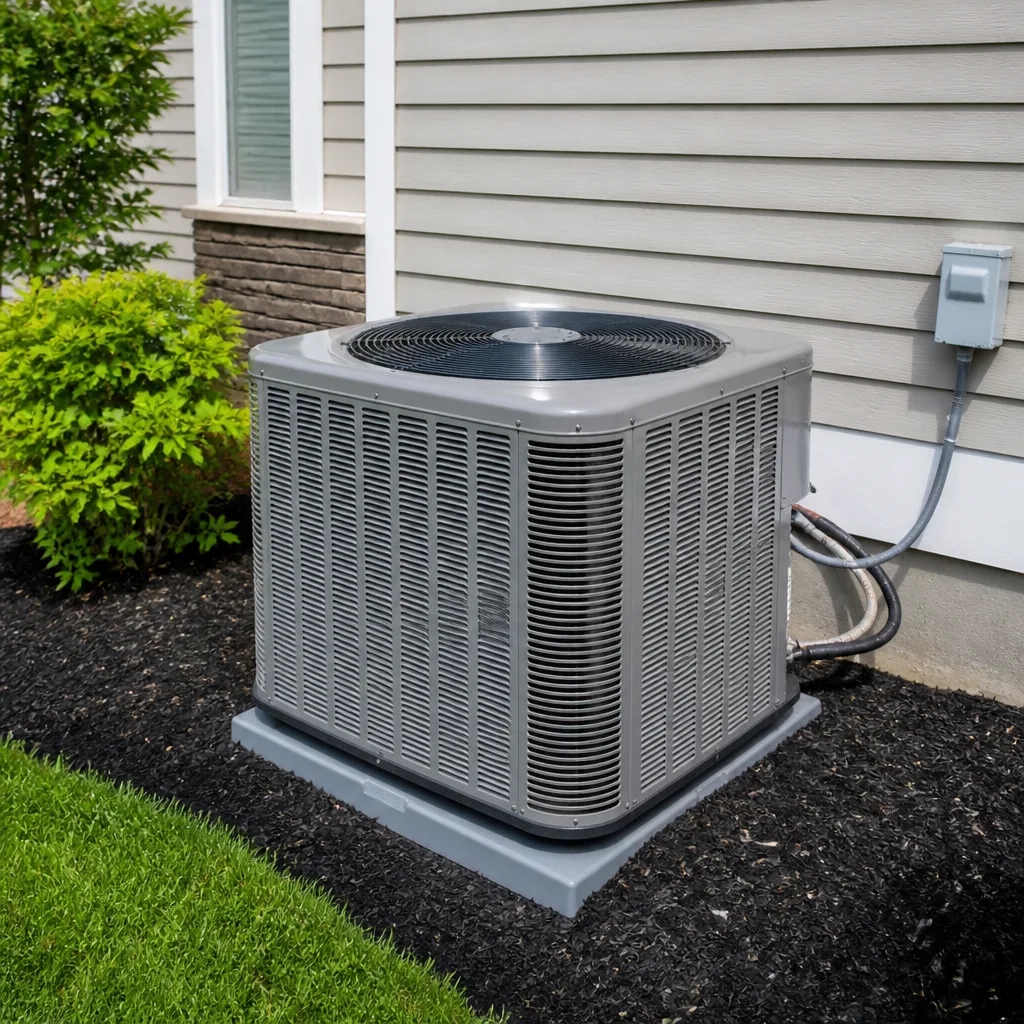 AC repair
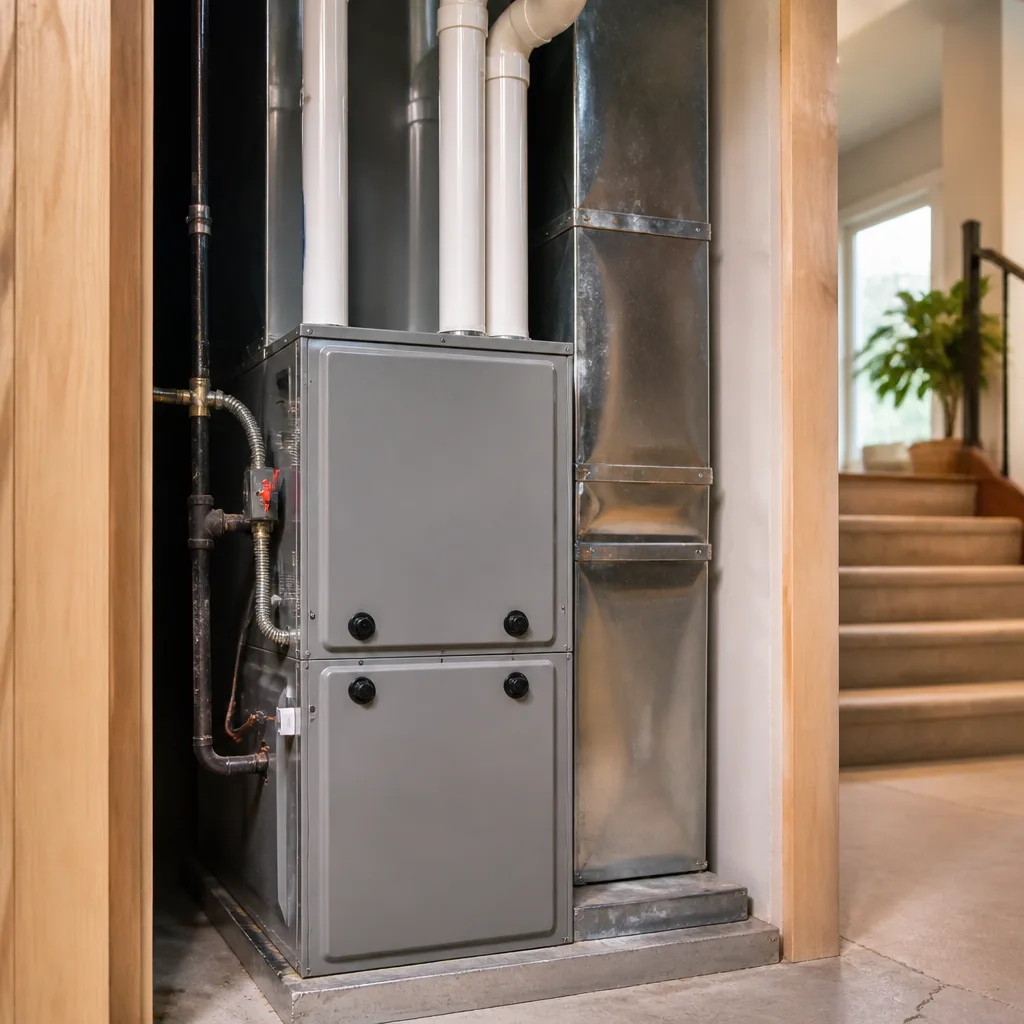 Furnace & heating
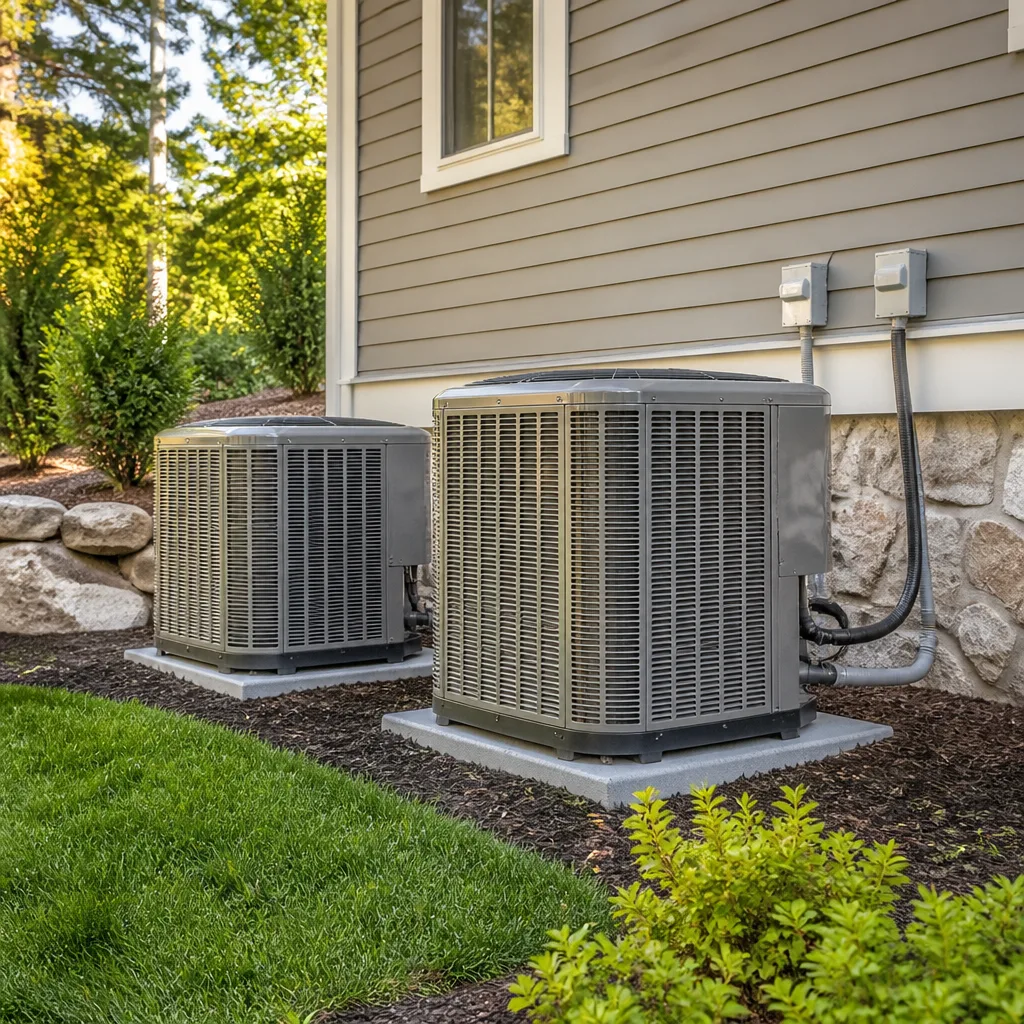 Heat pumps
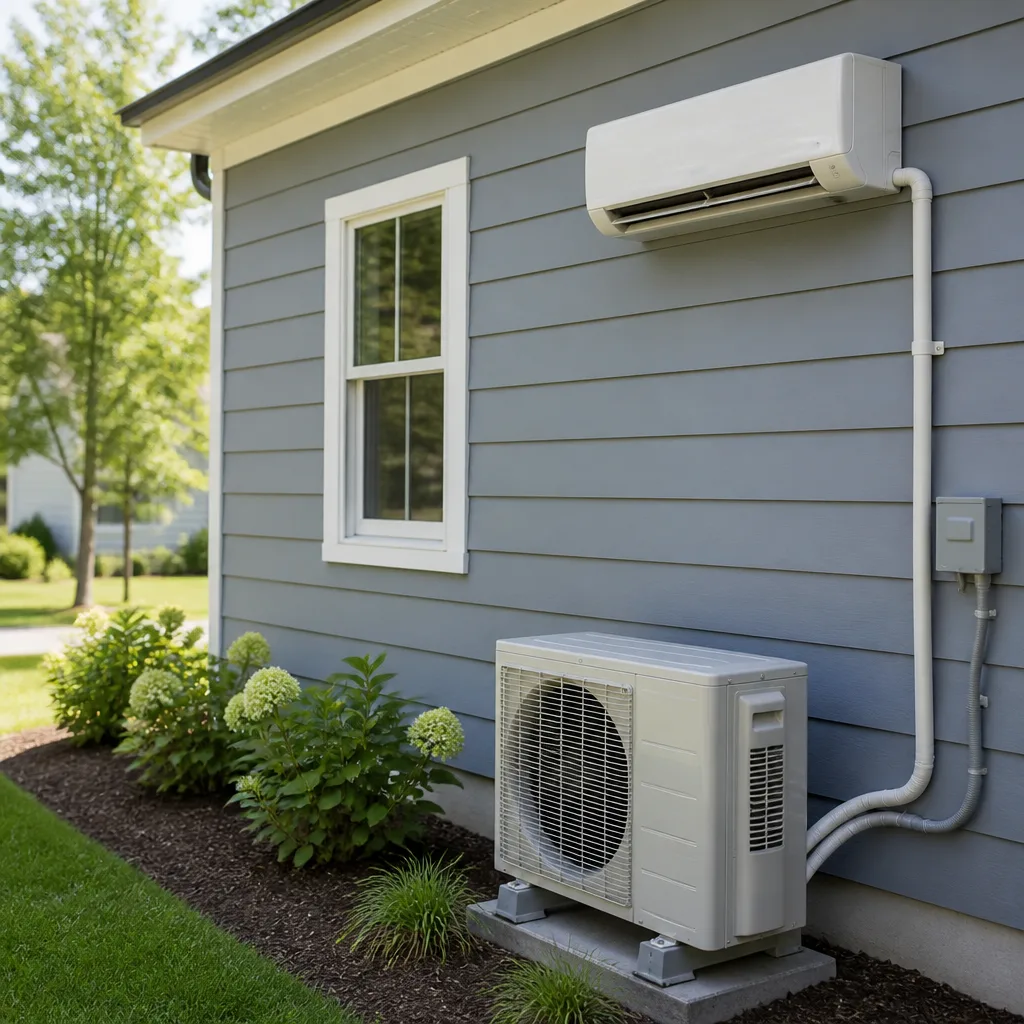 Ductless mini splits
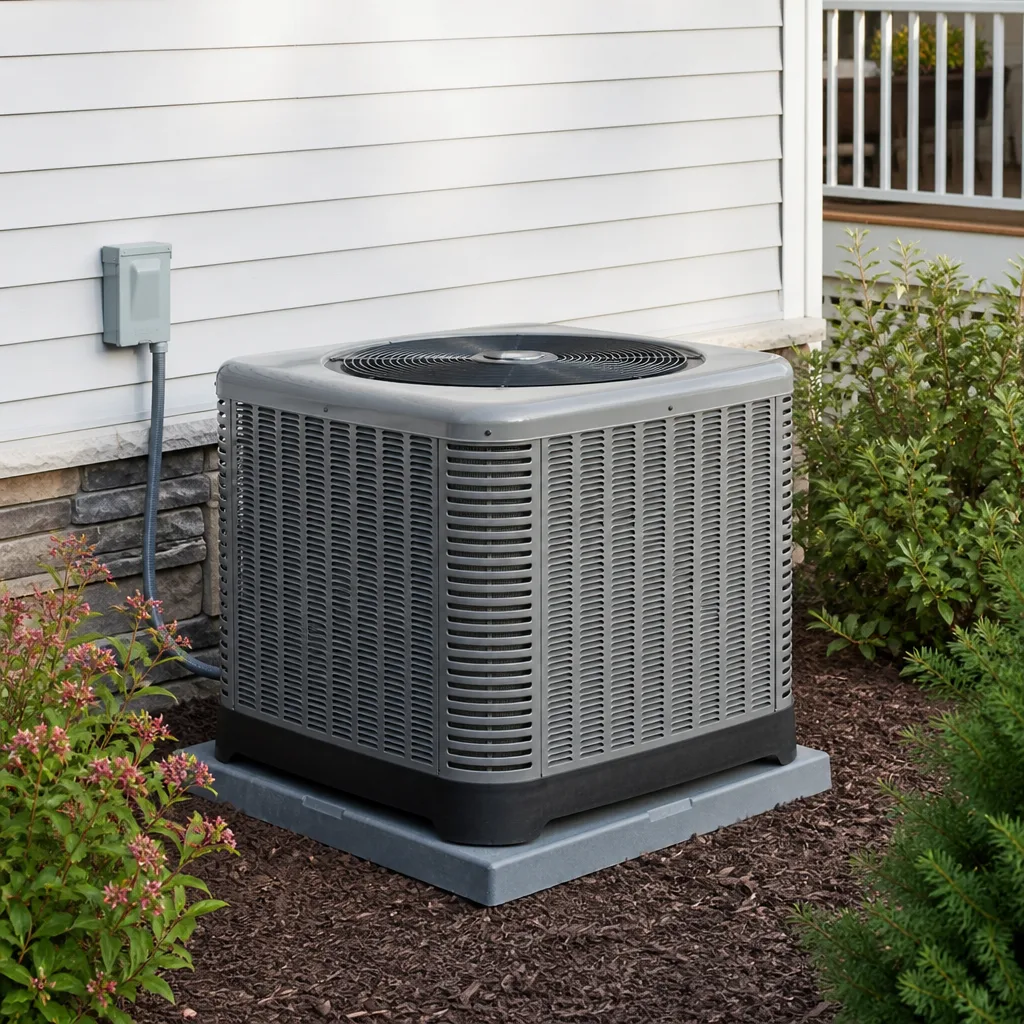 Carrier
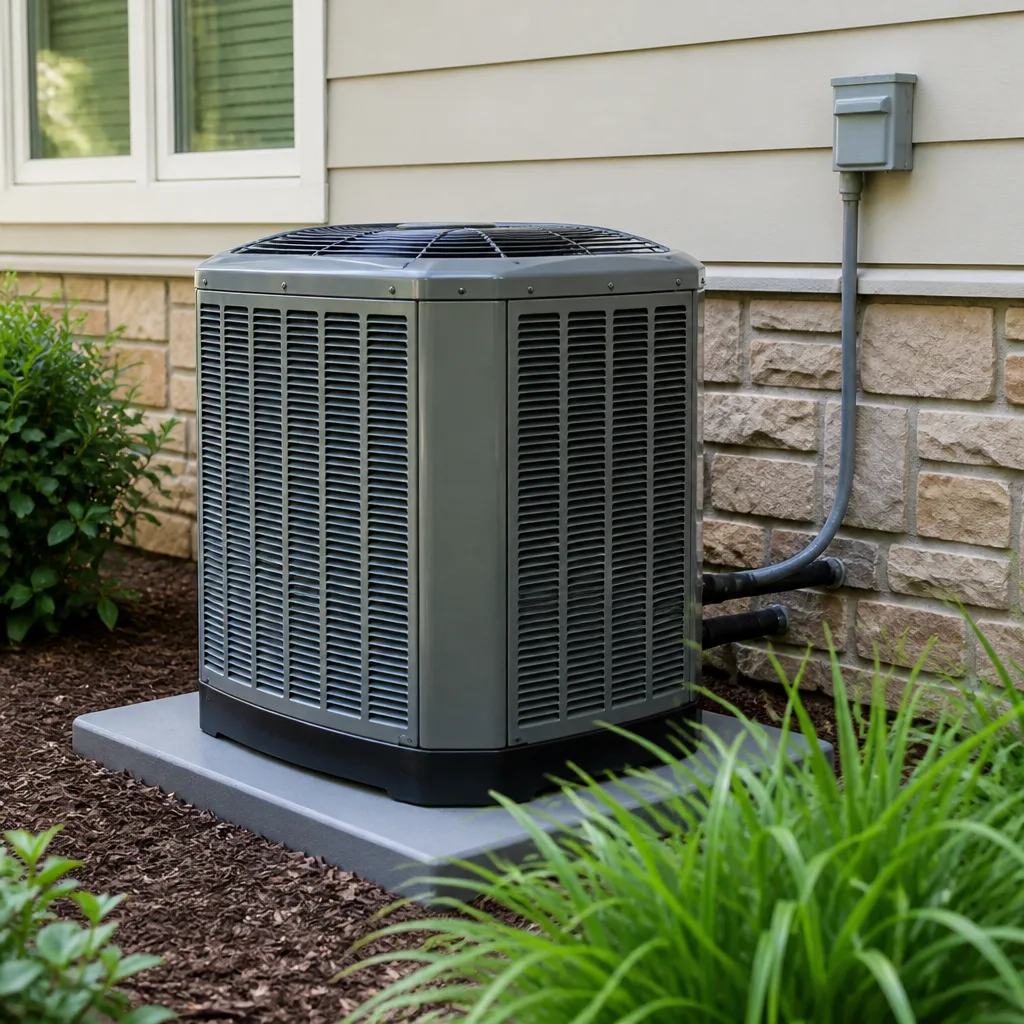 Trane
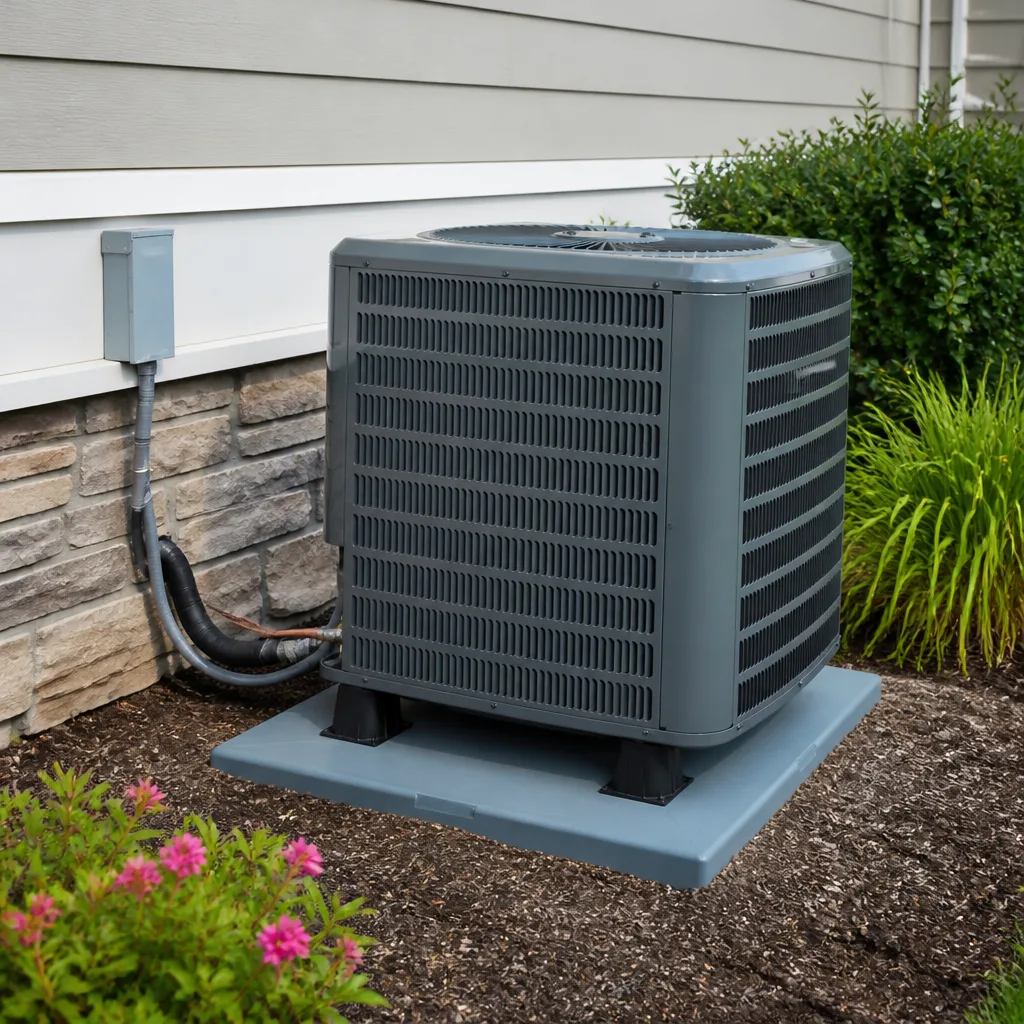 Goodman
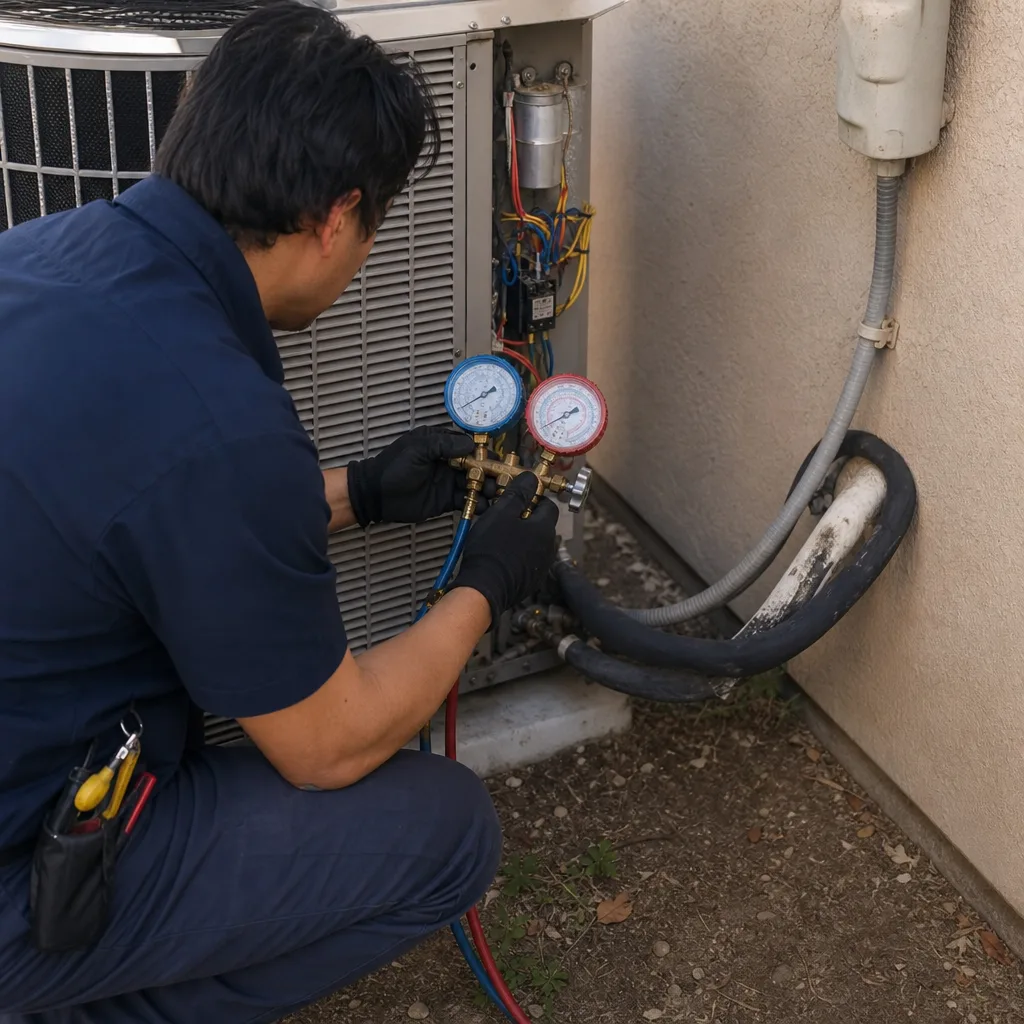
Seasonal tune-up and full diagnostic on your Carrier, Trane, or Goodman system - readings shown to you before any repair is proposed
Diagnosis first, numbers second - you approve the repair price before a single part goes in.
Get your free estimateHVAC Warning Signs: A Sunnyvale Homeowner’s Reference Guide
Here’s the counterintuitive part about HVAC trouble in Sunnyvale: a system that fires up cleanly in June after four months of near-silence is not proof of health. It’s proof that the hard test hasn’t arrived yet. Mild winters mean furnaces run in short bursts and air conditioners sit idle for months, so wear collects quietly and symptoms hide between seasons. The first real load – that 95°F afternoon in July – is when a weak capacitor, a low refrigerant charge or a failing blower shows itself. This guide covers the early signals that surface before that moment, which ones are cheap to fix and which mean shut it down and call.
Quick Answer
Early HVAC warning signs in Sunnyvale show up as small things between seasons: a slightly higher PG&E bill with no change in habits, a faint hum or click on startup, a house that cools unevenly room to room, weak airflow from registers, ice on the refrigerant line, or a furnace flame that isn’t clean blue. Catching these early usually means a modest repair instead of a compressor or heat exchanger failure. Loud banging, burning smells, repeated breaker trips or a yellow furnace flame are different – shut the system off and call right away.
Styles & brands we work with
- AC repair
- Furnace & heating
- Heat pumps
- Ductless mini splits
- Carrier
- Trane
- Goodman
Table of Contents
- The start-of-season test: what to check before you need the system
- Furnace warning signs that surface in Sunnyvale’s mild winters
- Reading your PG&E bill as a diagnostic tool
- Refrigerant warning signs beyond “the air is warm”
- DIY fix or shut it down and call? A clear decision path
- Sounds and smells decoded
- Repair or replace: how to know which one makes sense
- Common mistakes to avoid
The Start-of-Season Test: What to Check Before You Need the System
The best time to find a problem is when the system isn’t working hard yet. In Sunnyvale, that window is spring for cooling and late fall for heating. A system under light load reveals weak components more gently than one slammed into service on the first hot week, and a technician who finds a tired capacitor in April has options a technician called in July may not.
Run this sequence once before cooling season and once before heating season. It takes about twenty minutes and needs no tools beyond your ears and nose.
- Set the thermostat and listen at the outdoor unit. On a cooling call, you should hear the condenser fan start within a few minutes and the compressor come in with a steady hum. A single click followed by silence, a hum that dies after a second, or a rattle that grows as the fan speeds up are all signals worth noting.
- Check the furnace startup separately. Switch to heat and stand near the unit. You should hear the draft inducer run, then a soft ignition, then the blower kick on after a short delay. Any long pause before ignition, repeated attempts, or a boom rather than a soft light-off points to a combustion issue.
- Feel the airflow at the registers farthest from the air handler. Hold your hand over a far register with the system running. The flow should feel close to what you get at the nearest register. Noticeably weaker flow at the edges of the house is an early sign of a duct restriction or a failing blower motor, not a “the house is just like that” fact of life.
- Smell the supply air. A musty smell suggests moisture sitting in the system. A sharp, oily or burning smell on a heating call is a stop signal, not something to run through.
- Check the condensate line. During cooling, water leaves the system through a drain line. If that line is clogged, water backs up and can shut the system down or damage the surrounding area. Trace it once. If you find standing water or a full pan, clear the line or call.
- Look at the furnace flame if it’s visible. A healthy flame is steady and blue. A yellow, lazy or wavering flame is a carbon monoxide signal. Shut the unit off and call. More on that below.
If the system passes this test cleanly, note the date. Next season, you’ll have a baseline to compare against. If something fails, you have weeks of mild weather to get it fixed instead of competing for a technician’s attention on the first hot day in Sunnyvale.
Furnace Warning Signs That Surface in Sunnyvale’s Mild Winters
Because Sunnyvale winters rarely demand long heating runs, furnace problems often hide behind short cycles and mild demand. Mild-demand furnaces can operate for years on a marginal part without ever facing the sustained load that would expose it. Three specific signs are worth watching for here.
Short cycling
A furnace that turns on, runs for a minute or two, shuts off, and comes back a few minutes later is short cycling. In a mild climate this pattern can look nearly normal because the house doesn’t need much heat. It’s still a sign of a problem: a clogged filter restricting airflow, a thermostat placed wrong, a flame sensor going bad, or a high-limit switch tripping. Short cycling wears the unit down faster than continuous operation, and it hides real issues under the guise of normal behavior.
Delayed ignition
When you call for heat, the furnace should fire within a few seconds of the inducer starting. A long delay before the flame appears, or a faint “whoomp” at ignition, points to a blocked burner, a weak igniter, or a gas pressure issue. Delayed ignition is worth fixing quickly. It puts stress on the heat exchanger and can be a sign of unburned gas building up, which is why a trained technician – not a homeowner – should be the one to look at it.
Yellow or lazy flame
A properly burning gas flame is crisp and blue. A yellow, orange or wavering flame often means incomplete combustion, which produces carbon monoxide – an odorless gas you can’t detect yourself. If you see a yellow flame, do not run the furnace to “see if it clears up.” Turn the thermostat to off, ventilate the area, and call. A carbon monoxide alarm in the home is a separate safety layer worth having. The furnace itself is not something to diagnose without the right instruments, and we say that plainly.
Beyond the flame, the other heating-side warning signs are the same everywhere: a furnace that clunks hard on startup, a blower that runs long after the heat stops, or a heat register that blows cool air when heat is called. All three are worth a look before the next cold snap. Our furnace repair team works on the heating side of the system as part of a full heating-and-cooling scope, so you don’t need to find a heating contractor separately from a cooling one.
Reading Your PG&E Bill as a Diagnostic Tool in Sunnyvale
Your energy bill is a slow, quiet detector. A failing system rarely shows up as a sudden spike. It shows up as a bill that’s crept up 10 or 15 percent over a couple of seasons while your habits haven’t changed. That gradual rise is easy to dismiss as rate adjustments or a hot summer, which is exactly what makes it a signal worth watching for.
How to read it usefully:
- Compare the same month year over year, not month to month. Weather swings between months make single-month comparisons useless. The same billing month across two years is the fair comparison.
- Subtract what you can account for. A new appliance, a houseguest, a worked-from-home stretch – adjust for it mentally. Whatever isn’t explained by behavior is a signal.
- Look at the shape of the curve, not just the number. A system losing efficiency tends to show a gradual climb rather than a step. It’s the slope that tells you something is drifting.
- Compare summer to summer. A modest, unexplained rise across three summers of similar weather is a strong hint that the system is working harder than it used to.
In Sunnyvale, PG&E bills also carry peak-hour charges that vary by season and rate plan, so a jump can sometimes be a rate change rather than a system problem. If you can’t explain the change, that’s the moment to have a technician look at the system rather than wait for a bill to become a repair. Sometimes the culprit is a dirty filter or a duct restriction, which is a modest fix. Sometimes it’s a compressor working against a low refrigerant charge. The bill won’t tell you which – a technician can.
A word of warning about chasing efficiency: don’t buy a new system purely because the bill is drifting. Sometimes the right answer is a specific repair, and sometimes a system at the end of its life is the cheaper path forward. We handle both AC installation and repair, so the recommendation isn’t tilted toward one answer. The written estimate tells you which call makes sense.
Refrigerant Warning Signs Beyond “the Air Is Warm”
“The air is warm” is the last stage of a refrigerant problem, not the first. Long before the system stops cooling, refrigerant loss leaves physical evidence you can spot yourself if you know where to look. Catching it earlier matters, because a compressor that runs low on refrigerant while the system keeps trying to cool is a compressor being destroyed.
Here are the specific signs, in rough order of when they appear:
- Ice on the refrigerant line set. Look at the insulated copper lines running between the indoor and outdoor units. If you see frost or ice on the larger line, or on the outdoor unit’s service valve, the system is low on charge or has a restriction. Don’t just thaw it and run it. Ice usually means the system is working much harder than it should.
- Oil stains at the fittings. Refrigerant oil travels with the refrigerant. A dark, oily residue anywhere on the line set, fittings or valve caps is a strong indication of a leak at that point. That’s one of the most useful things a homeowner can find before the system fails.
- Long runtime with short cooling output. A system running for an hour and barely moving the indoor temperature is working against a low charge. If the thermostat is set to 72°F and the house reaches maybe 78°F after an hour, the system is producing output that doesn’t match its runtime. This “runtime-to-output ratio” is a signal worth noting.
- Hissing or bubbling at the outdoor unit. A small hiss or bubbling sound near the outdoor unit during operation is a hint of a refrigerant leak. It’s quiet and easy to miss, but hard to explain any other way.
- Uneven cooling between rooms. A system short on refrigerant can cool the nearest rooms acceptably while struggling at the far end of the house. Uneven cooling is not always a duct issue; sometimes it’s refrigerant.
Refrigerant work requires a technician. Handling refrigerant is regulated, and the leak has to be found and fixed before a recharge is worth doing. A recharge without a leak repair just buys you a little time and puts the same pressure back on the compressor. If you notice any of the signs above, shut the system off and schedule a diagnostic before the compressor pays for it.
DIY Fix or Shut It Down and Call? A Clear Decision Path
Some HVAC issues are simple. Most aren’t, and a few are genuinely dangerous. The hard part is knowing which is which. Here’s the decision path we’d want a homeowner to run through.
Reasonable DIY fixes
- Replacing a dirty filter. A clogged filter is the single most common cause of weak airflow and high energy bills. Check it monthly during heavy-use months, change it on the schedule printed on the packaging, and note which direction the arrow on the filter points.
- Clearing the outdoor unit of debris. Leaves, grass clippings and dirt build up around the outdoor condenser and reduce its ability to shed heat. Clear the immediate area and rinse the fins gently. Avoid high-pressure water, which bends them.
- Resetting a tripped breaker once. A single trip after a power interruption is fine to reset once. A breaker that trips twice is a signal, not a nuisance – stop resetting and call. Repeated trips point to a failing compressor or another short, and resetting keeps forcing it back into a fight it can’t win.
- Checking the thermostat batteries and programming. A surprising number of “the system won’t turn on” calls turn out to be a thermostat in the wrong mode, on a schedule, or out of batteries. Check settings before assuming a hardware failure.
Stop and call immediately
- Burning smells. Any burning smell from a furnace or electrical component is a stop signal. Turn the system off at the thermostat and the breaker and call.
- Yellow or lazy furnace flame. This is a carbon monoxide signal. Turn the system off and call. Do not run it to see if the flame improves.
- Loud banging or a boom on startup. A hard clunk or boom from the furnace or compressor is not a “settling” noise. It can indicate an internal problem that gets worse with every cycle.
- Ice on the refrigerant lines with the system running. Turn the system off and let it thaw, then call. Running it frozen puts the compressor at risk.
- Water pooling from the indoor unit. Turn the system off and call. Water near electrical components is a floor-damage risk at minimum and an electrical hazard at worst.
There’s also a gray zone: things that aren’t emergencies but shouldn’t wait long. Weak airflow, uneven cooling, a slightly higher bill, a faint new noise. Those get scheduled, not rushed, and catching them early is how a modest repair avoids becoming a compressor replacement. Our AC repair service handles the diagnostic work for cooling-side issues in Sunnyvale. When in doubt, describe what you’re seeing and we’ll tell you whether to shut it down or schedule a visit.
Sounds and Smells Decoded
Two of the most underused diagnostic signals are what a system sounds like and what it smells like. Ears and noses catch problems years before a system fails outright, if you know what to notice.
Sounds
- A hum that dies within a second of startup. Classic weak capacitor. On the cooling side, a weak capacitor keeps the compressor from getting the starting torque it needs. It’s an inexpensive fix if caught before the compressor fails under load. This is the one signal we tell homeowners to take seriously every cooling season.
- A steady rattle from the outdoor unit. Loose panels, a failing fan bearing, or debris inside the housing. Usually minor, but worth checking before it damages the fan blade or motor.
- A high-pitched squeal. A belt slipping or a bearing failing. Gets worse with load, so it shows up on the hottest or coldest days first.
- A click repeated at intervals. The compressor or contactor trying to start and failing. Multiple clicks in a row with no run is a stop signal.
- A rushing or whistling sound at a register. A duct restriction or a damper partially closed. Worth checking if you haven’t touched the dampers lately.
Smells
- Musty or damp. Moisture sitting in the system, often a clogged condensate line or a wet filter.
- Oily or chemical. Could be refrigerant oil, which is one of the stronger hints of a leak. Worth a look at the fittings.
- Burning dust or a hot-plastic smell on the first heating call of the year. Often just dust burning off, which fades in a few minutes. If it persists or is acrid, shut it down and call.
- Anything that smells like gas. Turn the gas off if you know where the valve is, leave the house, and call from outside. Gas is not a “wait and see” direction.
It’s worth noting that a system you run every day is easier to diagnose because you know its baseline sounds. Sunnyvale systems that sit idle for months lose that baseline. That’s why the start-of-season checks above matter so much – they restore your point of comparison before the hard test arrives.
Repair or Replace: How to Know Which One Makes Sense
The most expensive mistake a homeowner can make is replacing a system that had fifteen years left, and the second most expensive is repairing one that’s on its last season. The honest answer depends on a few specific factors, not on a sales pitch.
Here’s the way we think about it:
- Age of the system. Every manufacturer publishes a working-life estimate, and most residential systems run in the range of 12 to 20 years depending on the equipment. If yours is inside that window, repair is usually the cheaper path. If it’s past it, weigh the repair cost against the likely next failure.
- Cost of the repair relative to replacement. A repair that costs a meaningful fraction of a replacement system starts to tip the math toward replacement, especially on an aging unit. A repair on a young system is almost always the right call.
- Frequency of breakdowns. One repair in five years is normal. Three in two years is a system telling you something.
- Whether the specific part is available. Rare or discontinued parts are a signal. When we work across Carrier, Trane, Lennox and Goodman, we can usually source parts, but supply is part of the timeline and part of the cost.
- What the rest of the system looks like. A compressor replacement on a system with a failing blower, a rusting cabinet and a marginal coil is throwing money after a system that will fail again next year.
We handle both repair and full replacement on the heating and cooling sides, so there’s no financial bias toward one answer. The written estimate before any work sets the final price, so you’re comparing the real cost of repair against the real cost of replacement – not a sales estimate. If replacement makes sense, we work across nine brands including premium and value-tier systems, so the recommendation fits your home and budget rather than a dealer incentive. For the full picture of a replacement, see our breakdown of what’s involved.
Common Mistakes to Avoid
- Assuming a working system in June is a healthy system. A system that starts cleanly after months of idling has passed a light test, not the test that matters. Run the start-of-season checks before the first hot week rather than after the first failure.
- Waiting for the air to blow warm before calling about a refrigerant problem. Warm air is the end stage. Ice on the line set, oil at the fittings, or a long runtime with weak cooling are earlier signals – and much cheaper to fix than a compressor.
- Resetting a tripped breaker more than once. A breaker that trips twice is a safety device doing its job. Resetting it repeatedly forces a failing component back into operation and can make a modest repair into a serious one.
- Ignoring a furnace flame that isn’t blue. A yellow flame is a carbon monoxide signal and is not something to run through. Shut the system off and call, and if you don’t have a CO alarm, that’s a separate layer worth adding.
- Reading PG&E bills month to month instead of year over year. In a mild climate, weather swings make single-month comparisons misleading. Compare the same billing month across years to spot a real efficiency drop.
- Replacing a system because the bill went up. The bill tells you something is working harder, not what. A technician can identify whether it’s a filter, a duct restriction, a refrigerant issue, or a system at the end of its life – and the answer determines whether repair or replacement is the cheaper path.
- Buying based on brand loyalty from a neighbor’s recommendation. A system that worked for a neighboring home may not be the right fit for yours. The recommendation should follow the load of your home, not a friend’s experience or a dealer’s incentive.
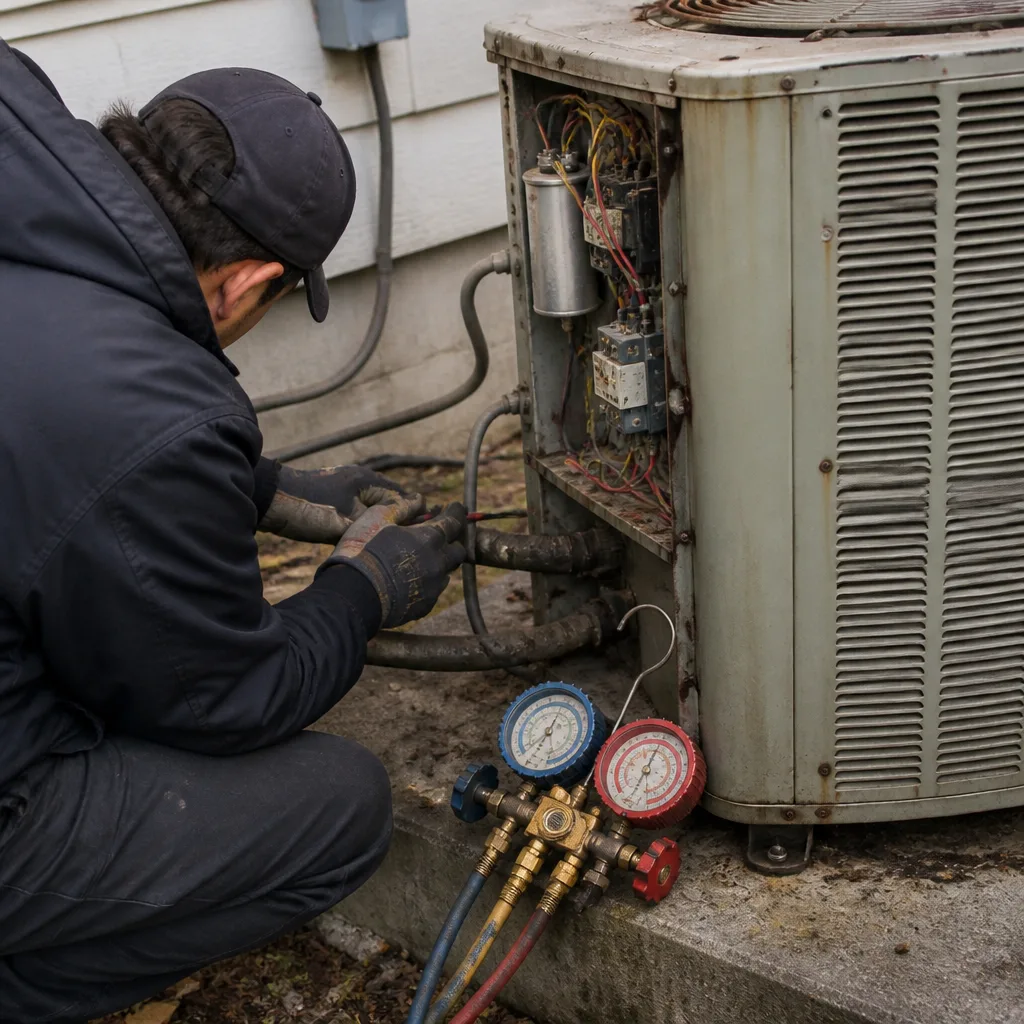
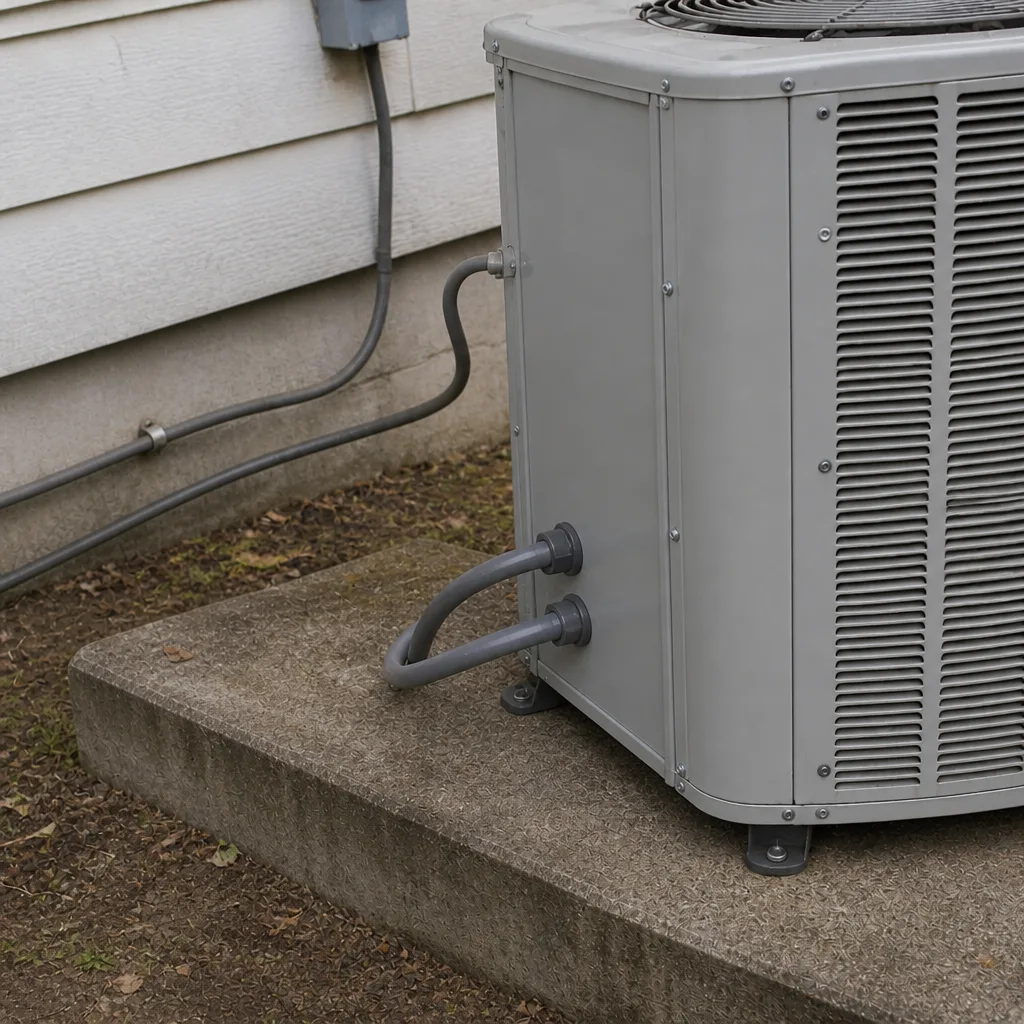
See the difference
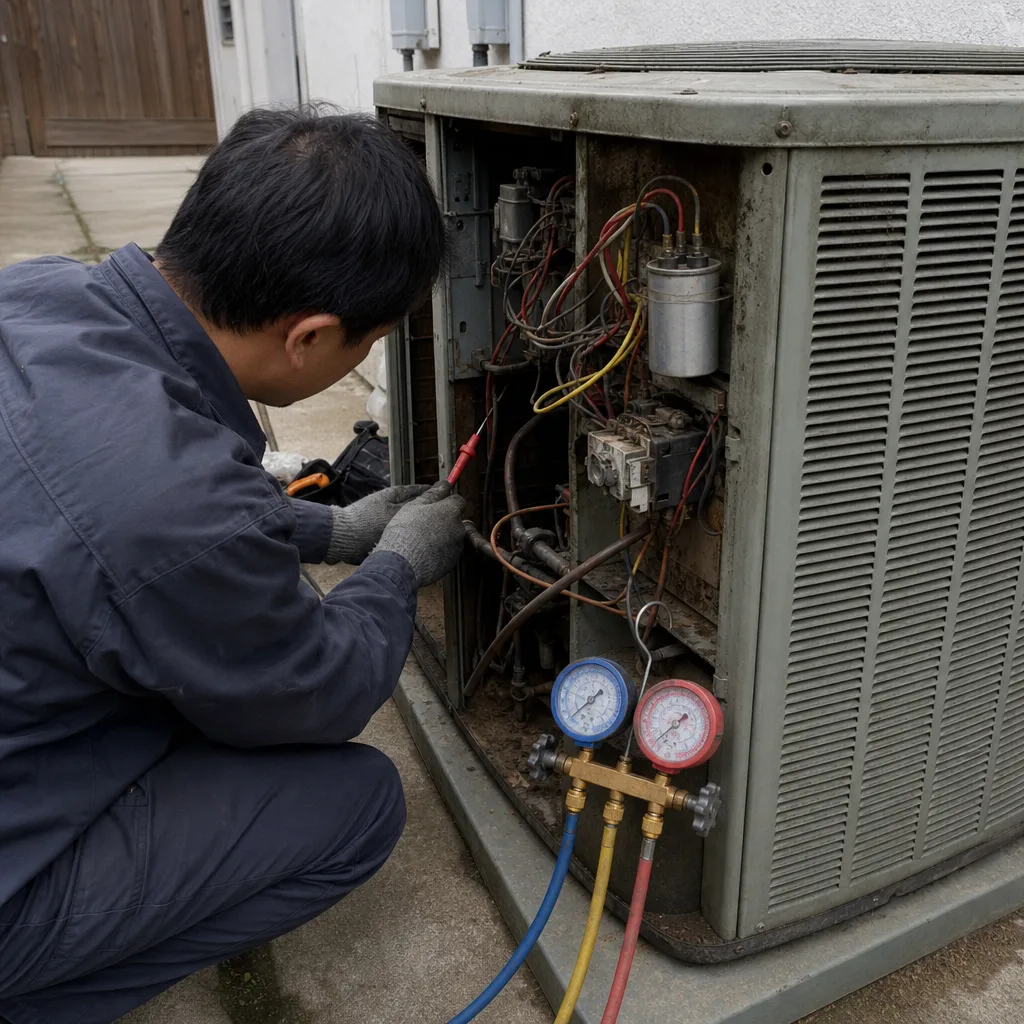 Before
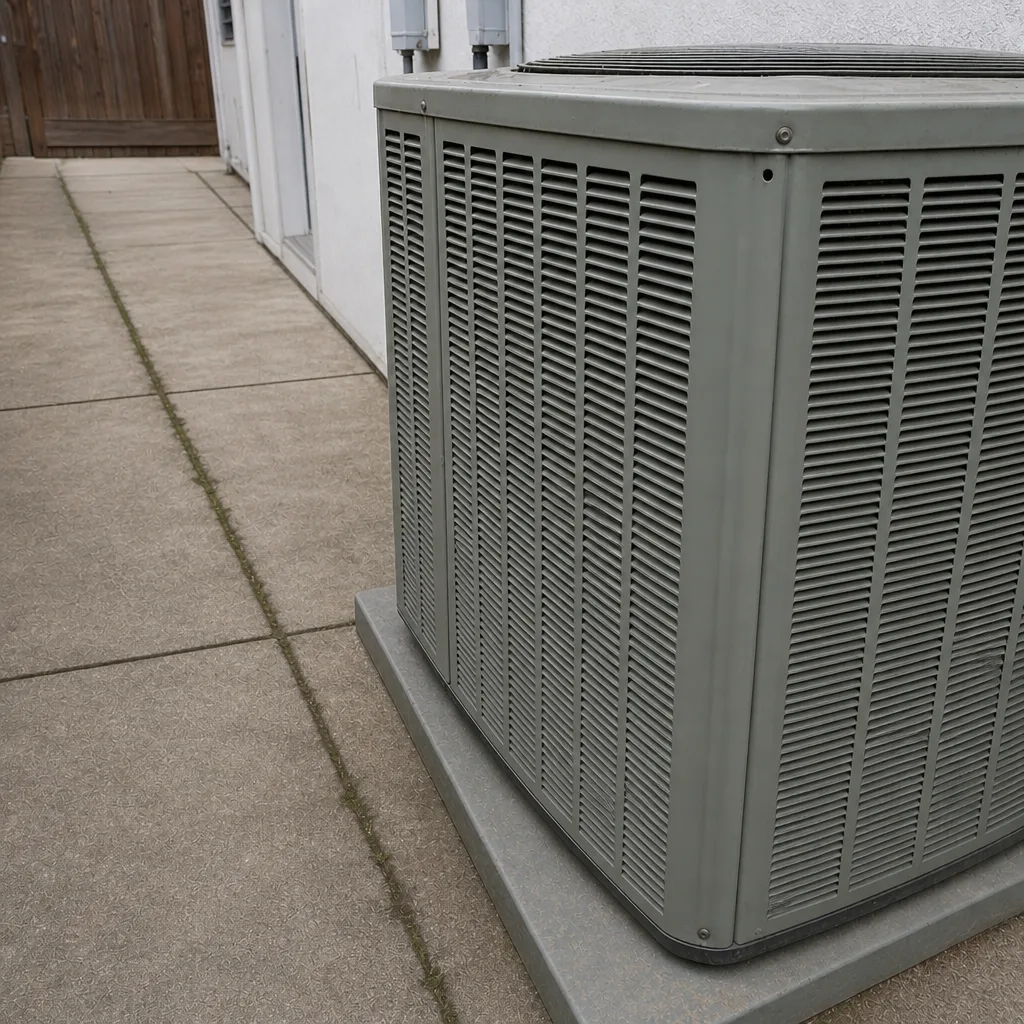 After
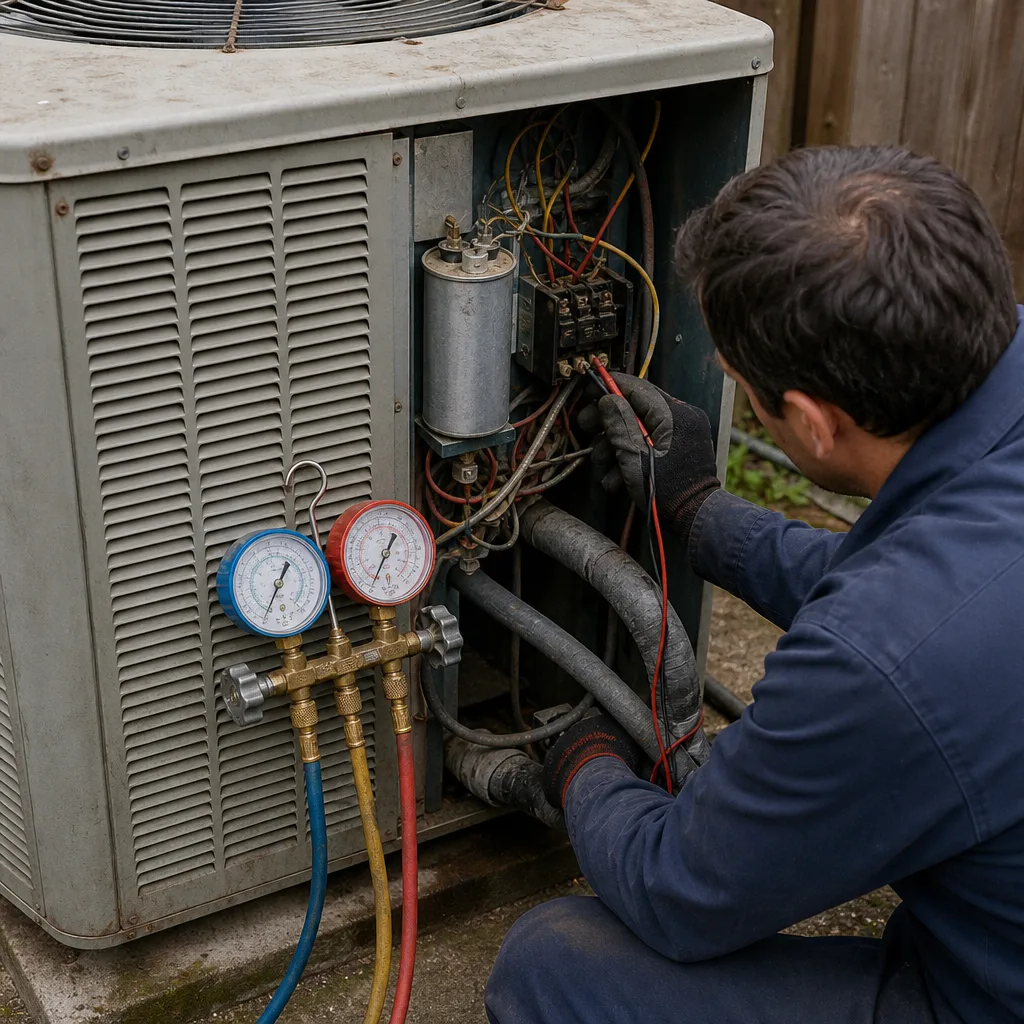 Before
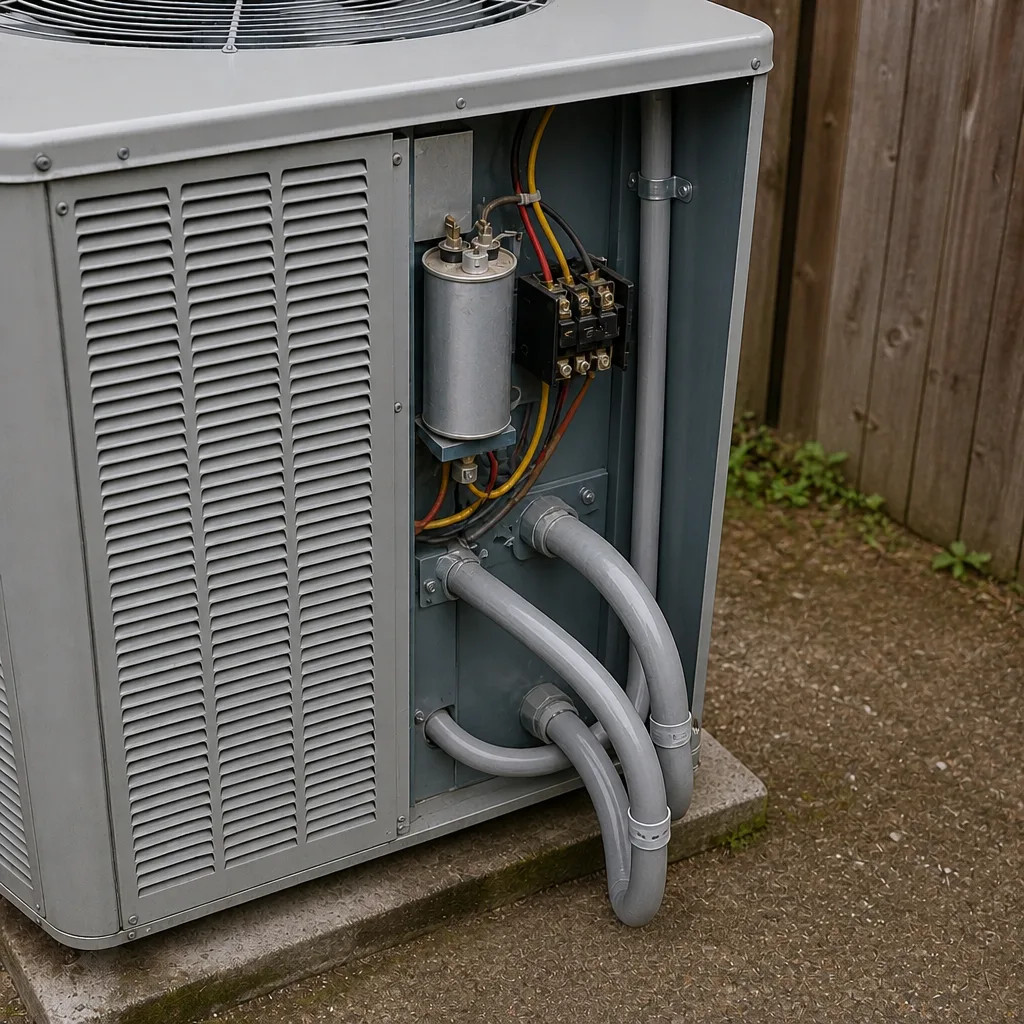 After
 Before
 After
When to Call a Professional
Call when any of the following shows up: a burning smell, a yellow or lazy furnace flame, a breaker that trips more than once, ice on the refrigerant lines while the system is running, water pooling near the indoor unit, a repeated bang or boom on startup, or a loud sputter from the outdoor unit that doesn’t resolve. Those are stop-and-call signals, not schedule-a-visit-later signals. On the schedule side: a bill that’s crept up without explanation, a system that cools unevenly, weak airflow at the far registers, short cycling on the furnace, delayed ignition, or a faint new noise that wasn’t there last season. Our technicians have up to 10 years of experience and are certified on nine of the most widely installed residential HVAC brands, so the diagnostic starts with what’s actually in your home.
AC Repair Sunnyvale offers free estimates in Sunnyvale – call (833) 573-8799. We answer 24/7. Fast dispatch from 7am to 7pm, Sunday through Friday.
Frequently Asked Questions
The estimate is free, and any repair is priced per job by the written estimate provided before work begins. There’s no fee structure to memorize – you get a written price for the specific job before anyone starts. Call (833) 573-8799 for an exact quote on your situation; estimates are free.
Twice a year: once before cooling season and once before heating season. Because Sunnyvale systems sit idle for months at a time, the pre-season check is what restores your baseline for what the system sounds and feels like under normal load. Without it, you’re learning what’s normal at the exact moment the system is being pushed hardest.
A weak capacitor on the outdoor condenser. It’s inexpensive to replace, and because it fails under load rather than at rest, it often surfaces on the first hot week of the season. A capacitor that fails while the compressor keeps trying to start can take the compressor down with it. If you hear a hum that dies within a second of startup, that’s the signal to check first.
Shut the system off and have it diagnosed – do not run it to see if it improves. A yellow or lazy flame is a sign of incomplete combustion and a carbon monoxide risk, which is a safety issue, not a maintenance item. The repair may turn out to be modest, but the flame is not something a homeowner should work around. Call (833) 573-8799 and we’ll get someone out.
Yes. Idle systems often need a check of the capacitor, the contactor and the refrigerant charge before a full cooling season. Fast dispatch runs from 7am to 7pm, Sunday through Friday, and a diagnostic visit identifies what’s actually wrong. Call (833) 573-8799; estimates are free and the written price sets the final cost.
No – one company should handle both. We perform AC installation, furnace repair and furnace replacement under one roof, which means a heating problem and a cooling problem don’t require two different contractors and two sets of records. Whether your furnace gave out or your AC won’t start, one call handles it: (833) 573-8799.
The Bottom Line
The most dangerous HVAC scenario in Sunnyvale isn’t a system that fails loudly. It’s a system that passes a light test in June and falls over on the first hard day. Watch the early signals – a bill that’s crept up, ice on the line set, a yellow furnace flame, short cycling, a hum that dies at startup – and catch the modest repair before the compressor pays for it. Stop and call on the dangerous ones: burning smells, repeated breaker trips, a lazy flame, loud bangs. Run the start-of-season checks, keep your ears and nose open, and the expensive failures stay rare.
Call AC Repair Sunnyvale at (833) 573-8799 for a free estimate. We answer 24/7. Fast dispatch from 7am to 7pm, Sunday through Friday.
Written by the team at AC Repair Sunnyvale.