
Last updated November 15, 2026
 AC repair
 Furnace & heating
 Heat pumps
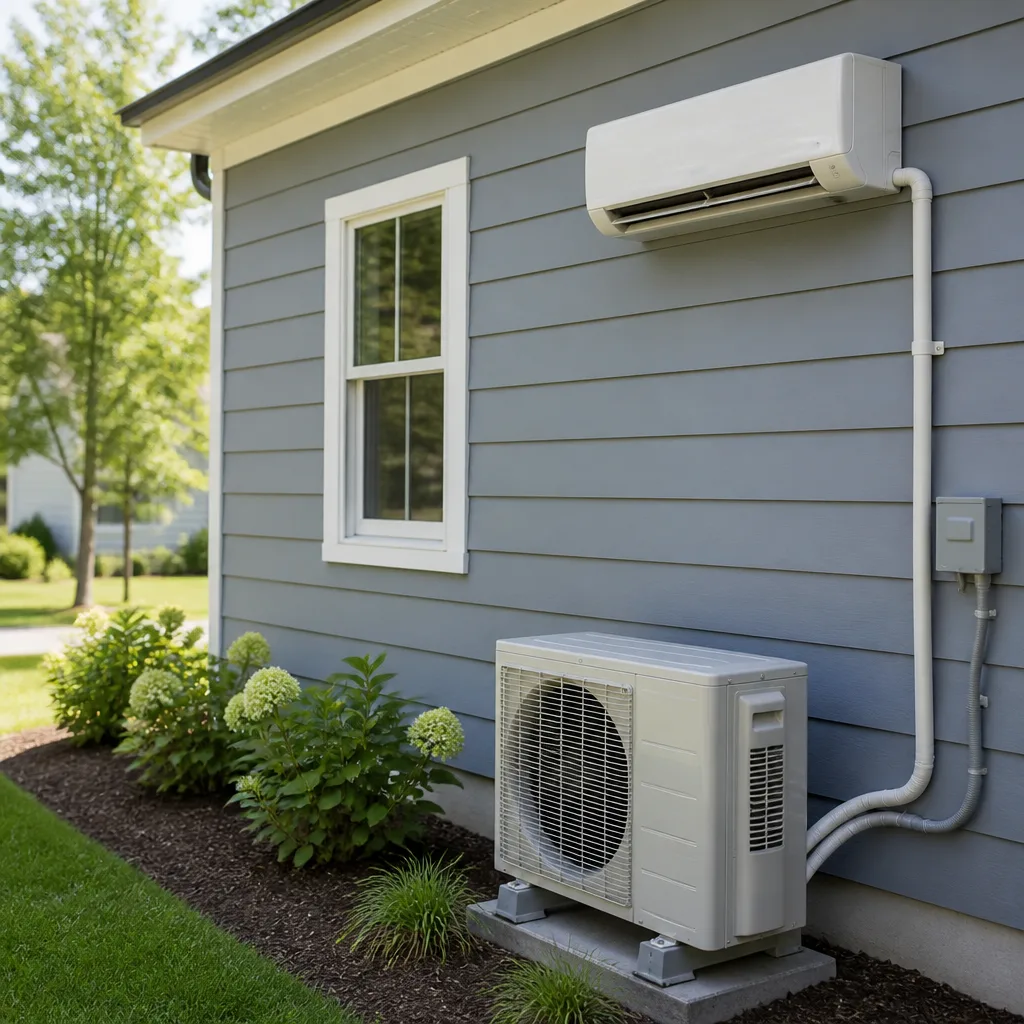 Ductless mini splits
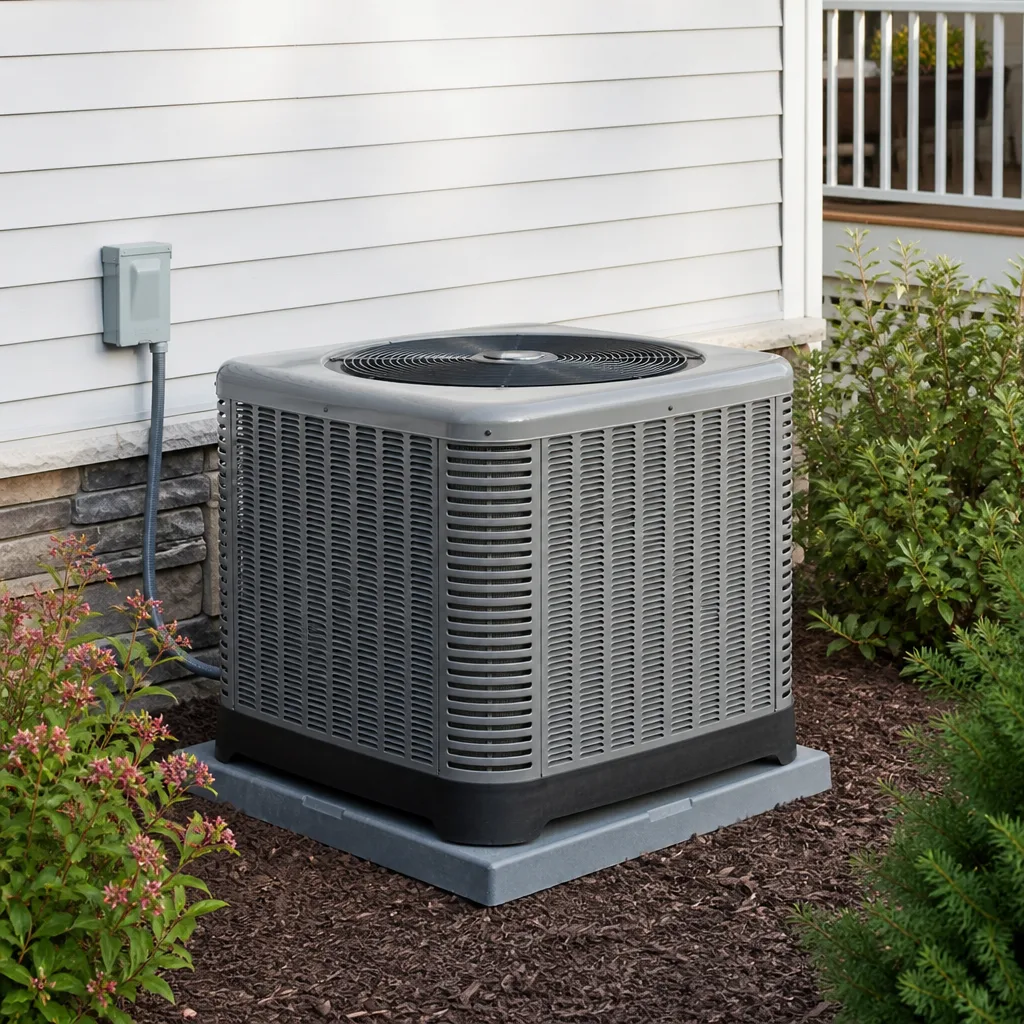 Carrier
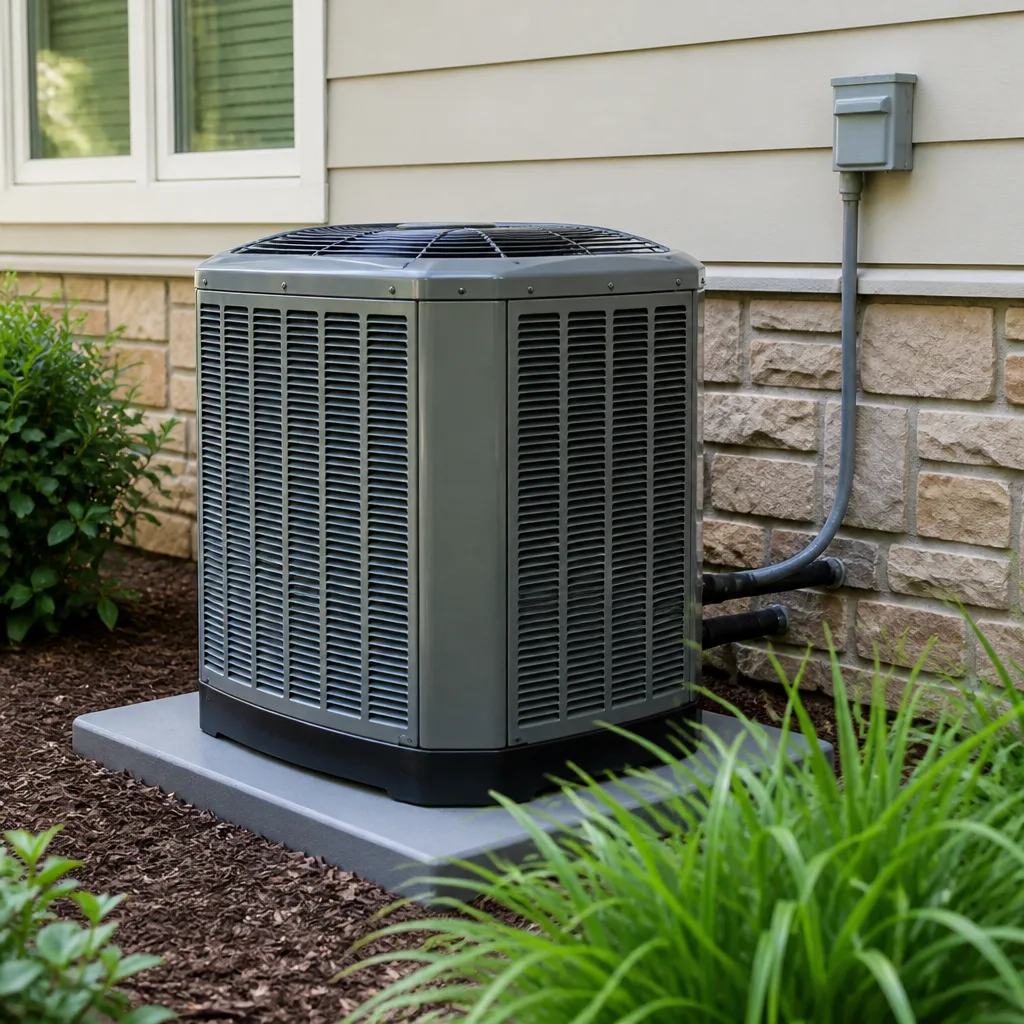 Trane
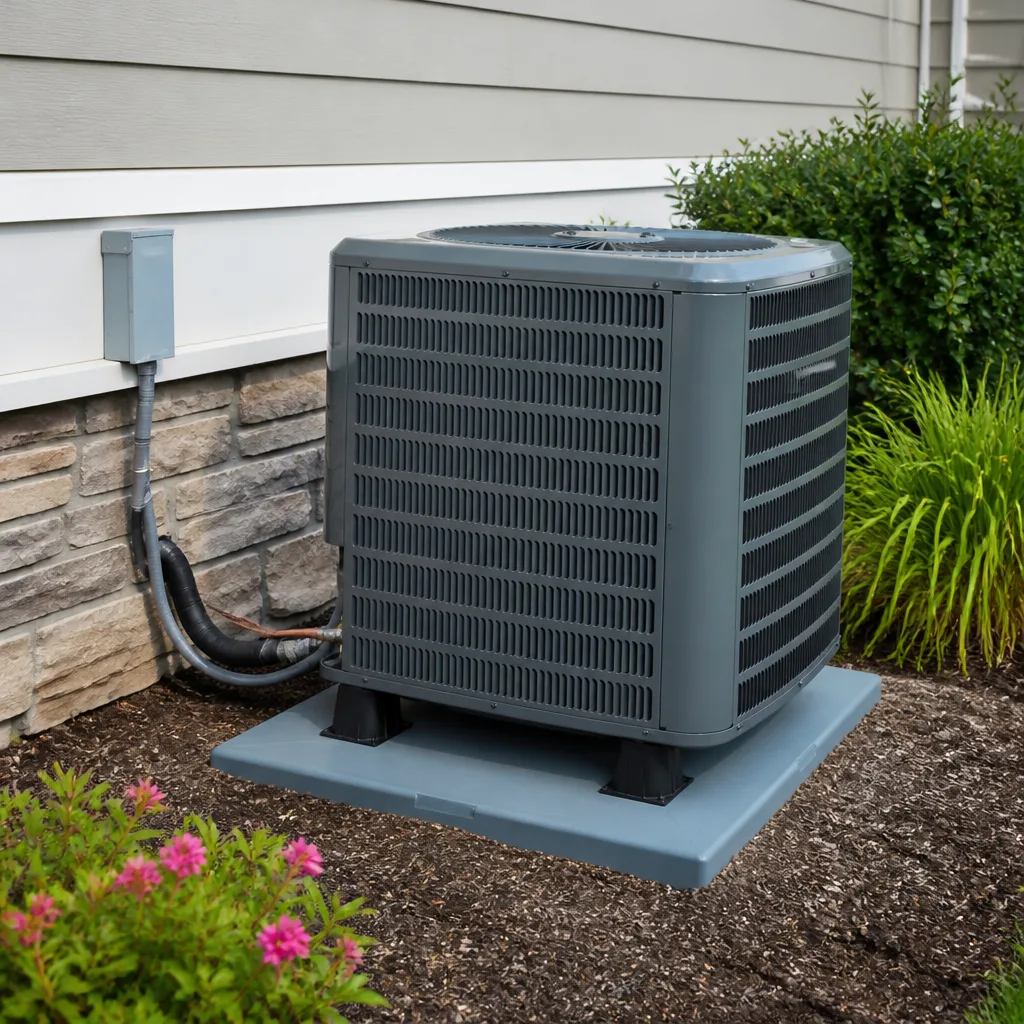 Goodman
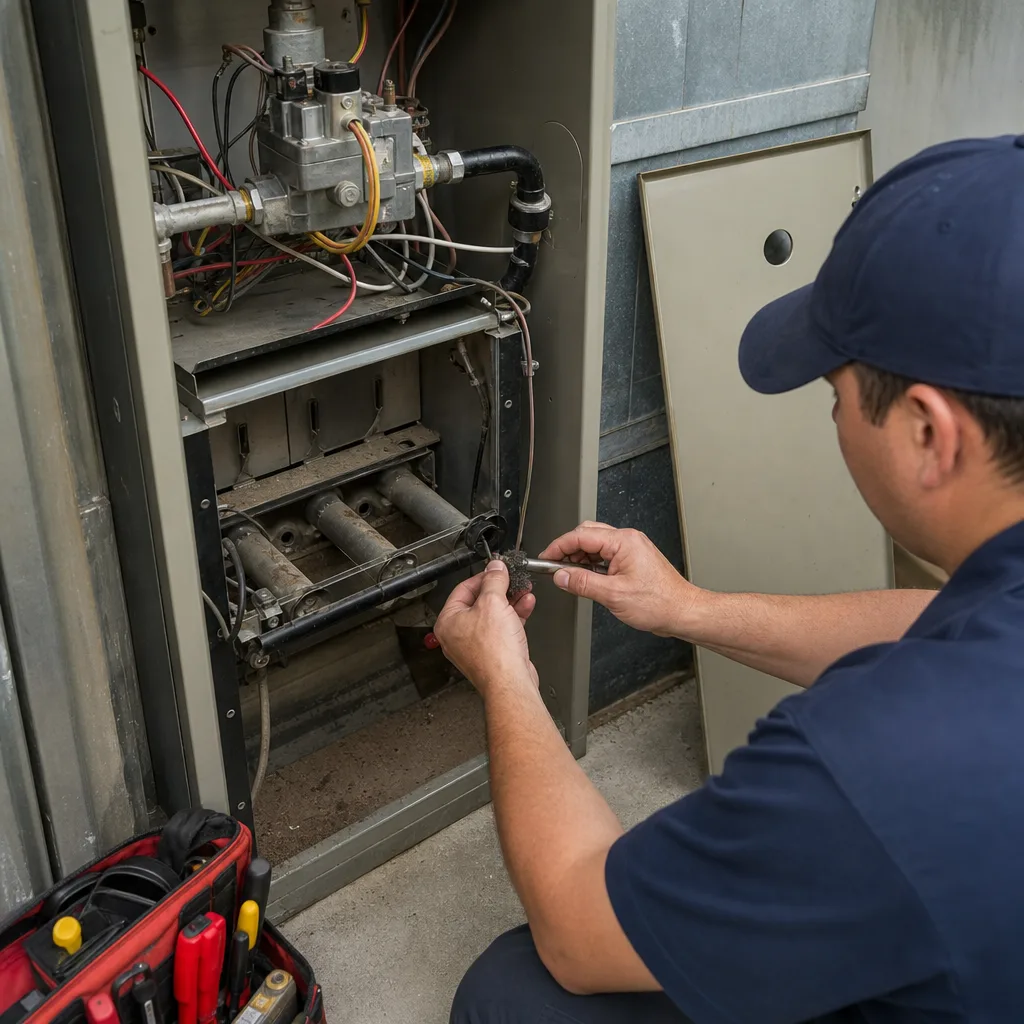
Seasonal tune-up and full diagnostic on your Carrier, Trane, or Goodman system - readings shown to you before any repair is proposed
Diagnosis first, numbers second - you approve the repair price before a single part goes in.
Get your free estimateHVAC Permits, Codes & Inspections in Sunnyvale, CA: What You Need to Know
If a contractor tells you a full condenser and air handler swap doesn’t need a permit in Sunnyvale, that’s not a time-saver. It’s a disclosure problem waiting for your next buyer’s home inspection. The words “it’s just a replacement” get tossed around a lot in this trade, and they’re almost always wrong when equipment is being swapped out. California’s Title 24 energy rules and Sunnyvale’s own municipal code both have a say in what gets permitted and what gets inspected, and the gap between what a contractor claims and what the city requires is where homeowners get stuck. This guide walks through the actual permit thresholds, what a mechanical inspection covers, how to prepare for one, and how to verify work a previous owner had done.
Quick Answer
In Sunnyvale, replacing an air conditioner, furnace, or air handler almost always requires a mechanical permit, even when the new unit is the same size and type as the old one. The permit triggers a city inspection and a Title 24 compliance check on the equipment’s efficiency ratings. Minor repairs that don’t involve replacing equipment usually don’t need a permit, but the line between repair and replacement is narrower than most homeowners expect. When in doubt, pull the permit – the cost of doing it right is far less than the cost of an undisclosed unpermitted install at resale.
Styles & brands we work with
- AC repair
- Furnace & heating
- Heat pumps
- Ductless mini splits
- Carrier
- Trane
- Goodman
Table of Contents
- What Triggers a Mechanical Permit in Sunnyvale?
- Title 24 and Efficiency Ratings: What Applies to Your Replacement
- What a Sunnyvale Mechanical Inspection Actually Covers
- How to Prepare Your System to Pass on the First Visit
- The Real Cost of Unpermitted HVAC Work
- How to Verify Permit Status on Previous Work
- Working With a Contractor on Permits: What to Expect
- Common Mistakes to Avoid
What Triggers a Mechanical Permit in Sunnyvale?
A mechanical permit is required in Sunnyvale any time HVAC equipment is added, replaced, or significantly altered. That’s the short version. The long version matters because contractors use a lot of fuzzy language to avoid the permit desk, and homeowners end up holding the liability. Here’s the practical breakdown:
- Full system replacement (condenser plus air handler, or furnace plus coil): permit required. No exceptions.
- Condenser-only replacement: permit required. Even if the air handler stays, the condenser change is a mechanical alteration.
- Furnace replacement: permit required. Gas-fired appliance swaps always go through inspection.
- Air handler or coil replacement: permit required in most cases, because it changes the refrigerant circuit and blower assembly.
- New ductwork or significant duct modifications: permit required. Minor patch repairs usually fall outside the threshold.
- Refrigerant line replacement: permit required when the lineset is replaced as part of a system change.
- Repairs to existing components (a bad capacitor, a stuck contactor, a failing blower motor on the same unit): typically no permit needed. This is the gray zone where a lot of the “it’s just a repair” claims live.
The key distinction is whether the equipment itself is being swapped. Routine repair of an existing unit falls under maintenance; replacing the unit is a mechanical alteration and pulls a permit. If a contractor tells you a “like-for-like” replacement doesn’t need one, that’s the exact claim to challenge. Sunnyvale’s permit desk treats equipment swaps as permit-required regardless of whether the new unit matches the old one on paper.
One local wrinkle: many Sunnyvale homes, especially in the older neighborhoods near downtown and along the corridors built out in the 1950s and 1960s, have HVAC systems that were installed before the current code cycle existed. When those get replaced, the permit and inspection process also catches things like undersized electrical circuits, missing disconnects, or improper condensate drainage – problems that were quietly there for years. If you want to know what your existing system actually looks like on paper before you pull a permit, AC Repair Sunnyvale can inspect the equipment and walk you through it.
Title 24 and Efficiency Ratings: What Applies to Your Replacement
California’s Title 24 energy code sets the minimum efficiency standards for HVAC equipment installed in the state, and those standards apply to any permitted replacement. As of 2023, the relevant metrics are SEER2 for cooling equipment and HSPF2 for heat pumps, replacing the older SEER and HSPF ratings. If you’re installing a furnace, the applicable metric is AFUE (annual fuel utilization efficiency). What this means for a Sunnyvale homeowner is straightforward: the equipment going in has to meet the current minimums, and the permit inspection is where that gets verified.
In practice, that means you can’t legally install a unit that falls below the current federal and state minimums, even if it’s cheaper and still available on the market as existing stock. A contractor who offers to install a unit that doesn’t meet Title 24 minimums has just told you the job will either fail inspection or skip the permit entirely. Neither outcome is good for you.
Here’s what the compliance side looks like in plain terms:
- Equipment selection – The unit’s rated efficiency has to meet the current Title 24 minimum for its category. This is verified on the equipment label and the manufacturer’s spec sheet.
- Documentation – The permit application includes the equipment model and efficiency ratings. The inspector checks these against the installed unit.
- Installation quality – Title 24 also governs installation details: refrigerant charge verification, duct sealing where ducts are modified, and proper thermostat functionality. These show up in the inspection.
- Final sign-off – The building department signs off once the equipment matches the permit and the install meets California’s requirements.
If you’re comparing quotes for a replacement in Sunnyvale and one of them includes an efficiency-rated system with a permit and a certificate of compliance while the other offers “the same box, no permit, cheaper,” the second quote is telling you something. It’s also worth noting that the major brands – Bryant, American Standard, Carrier, and Trane among them – all publish the equipment ratings you need, and a reputable installer will show you those ratings before you sign. We work on all four of those brands and the wider field, so we can pull the spec sheet for what’s actually going into your home.
For the installation side of the process, the AC installation page covers what a full replacement involves from start to finish. The permit and inspection are part of that arc, not a separate add-on.
What a Sunnyvale Mechanical Inspection Actually Covers
A Sunnyvale mechanical inspection is a check on whether the installed system meets code, is safe to operate, and matches what the permit said was being installed. It’s not a full HVAC diagnostic, and it’s not a performance test. It’s a compliance inspection. Knowing that up front removes a lot of the anxiety – the inspector isn’t there to grade your ductwork or critique your thermostat settings.
What the inspector typically looks at:
- Equipment match – The model numbers on the installed equipment line up with the permit application.
- Electrical connections – Disconnect location, breaker sizing, and wiring method for the new equipment.
- Refrigerant line routing and insulation – Lineset support, insulation integrity, and proper penetration sealing where lines pass through walls.
- Condensate drainage – Primary drain, secondary drain or float switch, and safe discharge location.
- Gas piping and venting (furnace) – Proper connection, shutoff valve, and flue termination for gas-fired equipment.
- Clearances – Space around the condenser, clearance from combustibles for the furnace, and service access.
- Labeling – Data plates, warning labels, and the permit card itself.
The inspector may also note work that’s outside the scope of the permit but adjacent to it, especially if it’s a safety issue. Missing electrical disconnects, exposed wiring, an undersized gas line, or a condensate drain dumping into a crawlspace all get flagged. That’s not the inspector being fussy – those are the details that fail. And in a mild-winter climate like Sunnyvale, the furnace inspection often catches things homeowners wouldn’t notice until the first cold snap.
The inspection usually happens once, after rough-in and before the system is put into service for a final sign-off. Some jobs require two visits: a rough inspection after equipment is set and lines are run, then a final. Your contractor’s permit application will specify which one applies. Once the final sign-off happens, the permit is closed and the record lives in the city’s system. That record is the paper trail that protects you at resale.
How to Prepare Your System to Pass on the First Visit
Most inspection failures in Sunnyvale aren’t about sloppy work – they’re about small items that were missed in the rush to finish. A failed inspection means a reinspection fee, a delay, and another visit. Preparing properly means everyone moves on faster. Here’s a practical sequence:
- Confirm the equipment matches the permit. The model number on the installed unit and the model number on the permit paperwork need to match. If the supply house shipped a substitute model, that’s the first thing to sort out before the inspector arrives.
- Clear the service area. The inspector needs to see the equipment, the disconnect, the gas shutoff, and the electrical panel without moving boxes, landscaping, or stored items. Clear a reasonable working path to each.
- Verify the disconnect and breaker sizing. The condenser’s electrical disconnect should be within sight of the unit and rated for the load. The breaker in the main panel should match the equipment’s nameplate.
- Check the condensate line. The primary drain should slope away and terminate where it’s visible. If there’s a secondary drain or a float switch, confirm it’s installed and wired.
- Confirm gas piping and flue on a furnace job. Shutoff valve accessible, drip leg where required, flue properly terminated and clear of combustibles.
- Have paperwork ready. Permit card, equipment spec sheets, and any required Title 24 compliance documentation should be on hand or already submitted.
- Test the system briefly before the visit. A quick startup confirms the system actually runs, which catches wiring or charge issues before the inspector finds them.
Most of this is the contractor’s job, and a good one will walk the job themselves before calling for inspection. But knowing what’s being checked puts you in a position to ask useful questions. If your contractor can’t clearly explain why each item on this list is already covered, that’s information worth having.
In our experience, the failures that cost the most time are the ones where the equipment was set and started without anyone walking the job. Our technicians have up to 10 years of experience across residential systems, and one of the things that experience teaches is where inspections usually get sticky. We work with the brands that come up most often in Sunnyvale homes – Carrier, Trane, Bryant, American Standard, and others across the field – so the equipment on the permit is the equipment we know how to install to spec. For furnace-specific concerns, furnace repair covers the diagnostics side; a repair that turns into a replacement is where the permit conversation starts.
The Real Cost of Unpermitted HVAC Work
The cost of unpermitted HVAC work in Sunnyvale doesn’t show up on the day of installation. It shows up years later, at the two moments homeowners can least afford a delay: an insurance claim and a home sale. Here’s how that plays out.
Insurance claims. If a fire, water damage, or other loss originates at or is traced to the HVAC system and the equipment wasn’t permitted, a carrier can deny the portion of the claim related to that equipment. The homeowner’s policy language varies, but unpermitted work is a common exclusion ground. An unpermitted system that causes a loss can leave the homeowner carrying the cost themselves.
Escrow delays. Home inspectors in Santa Clara County are trained to check for permits on HVAC equipment. A missing permit on a recently installed system shows up as a red flag, and buyers’ agents routinely ask for proof or a retroactive permit before closing. A retroactive permit process means an inspection, potential corrections, and a timeframe that doesn’t fit the escrow calendar.
Retroactive permit fees. Sunnyvale, like most Bay Area jurisdictions, charges permit fees based on the work’s valuation, plus penalties for starting without a permit. In some cases the correction also requires bringing other adjacent work up to code. A permit that would have cost a few hundred dollars up front can turn into a much larger cost after the fact.
Disclosure obligations. California requires sellers to disclose known material facts about the property. Unpermitted work you know about but don’t disclose is a disclosure problem. Unpermitted work you don’t know about – because a previous owner did it – is your problem to untangle after the sale closes, which is why verification matters so much.
The pattern here is that unpermitted work is a deferred cost, not a saved one. The money you don’t spend on the permit gets spent later, usually with interest.
How to Verify Permit Status on Previous Work
If you bought a house in Sunnyvale and the HVAC system was recently replaced by the previous owner, or if you’re considering a purchase and want to check, you can verify permit status through Santa Clara County’s public records and the City of Sunnyvale’s building department. Here’s how to approach it:
- Find the equipment data plate. The condenser and furnace have data plates showing model number, serial number, and manufacture date. Write both down. The serial number’s date code tells you roughly when the unit was built, which anchors the permit search to the right timeframe.
- Search the city’s online permit portal. The City of Sunnyvale maintains an online permit search where you can enter a property address and see permits issued for that address. Look for entries with the mechanical or HVAC description and a date range matching the equipment install.
- Request records through the building department. If the portal doesn’t show a clear answer, the building department can pull the property’s permit history directly.
- Look for the final inspection sign-off. A permit shows up as “issued” first and “finaled” or “closed” only after inspection passes. A permit that was issued but never finaled is its own flag – the work may not have been inspected.
- Ask a contractor to look at the install. An experienced technician can spot signs of unpermitted work: missing disconnect, non-standard electrical, an old lineset reused with a new condenser, or an install that doesn’t match the equipment spec sheet.
If you find the permit was never pulled, you have options: request a retroactive permit, negotiate the cost with the seller before closing, or budget for the correction. What you don’t want to do is assume it’s fine. Sunnyvale real estate moves fast, and a missing permit on the HVAC equipment is a straightforward item for a buyer’s inspector to flag. If you’re unsure what you’re looking at, the team at Sunnyvale can review the property’s HVAC setup and tell you what the equipment actually is and whether it looks like a permitted install.
Working With a Contractor on Permits: What to Expect
Permits are part of the job, not a favor. When you hire a contractor for a replacement in Sunnyvale, the permit application, the inspection, and the final sign-off should all be included in the scope of work described in your estimate. A few things to expect from a contractor who handles this correctly:
- Permit included in the proposal. The written estimate or proposal should list the permit as a line item or clearly state that the permit is included in the total price. A vague hand-wave about “paperwork” is not the same thing.
- Equipment ratings shown upfront. The Title 24 compliance requirement means the contractor should be able to show you the equipment’s SEER2, HSPF2, or AFUE rating and confirm it meets the current minimum before install.
- Realistic timeline. Permits in Sunnyvale can take a few days to a couple of weeks depending on the current queue and the job scope. An honest contractor will give you a realistic install date that accounts for the permit timeline, not a promise to “get it in tomorrow.”
- Inspection on the schedule. The contractor schedules the inspection and walks the job before the inspector shows up. You shouldn’t be the one calling the building department to set it up.
- Final paperwork to you. When the inspection passes, the permit closes and you should receive confirmation. Keep that paperwork – it’s what protects you at resale.
The “repair or replace” question often comes up alongside permits, because a repair doesn’t need one and a replacement does. A contractor with a bias toward replacement will push the permit-required path every time. One that’s willing to service the existing system and only recommend replacement when the repair cost or equipment age actually justifies it will tell you which path makes sense. Our approach is to repair or replace based on what the system actually needs, not on which option pulls a bigger ticket.
Heating and cooling under one contractor matters here too. A homeowner with a failing furnace and an aging AC is looking at two permits, two inspections, and two sets of paperwork if each trade is separate. Keeping the work with one contractor who handles both sides simplifies the permit process and makes the inspection timeline easier to manage. Call (833) 573-8799. We answer 24/7. Fast dispatch from 7am to 7pm, Sunday through Friday.
Common Mistakes to Avoid
- Accepting “it’s just a replacement, no permit needed.” This is the single most common contractor line, and in Sunnyvale it’s usually wrong. If the equipment is changing, the permit is required, and any contractor who says otherwise is telling you something about how they handle paperwork.
- Skipping the Title 24 efficiency check on the new unit. A cheaper unit below current SEER2 or AFUE minimums won’t pass inspection. Ask for the efficiency ratings before you sign, not after the unit shows up.
- Not clearing the service area before inspection day. Inspectors won’t move storage, landscaping, or furniture to see your equipment. A cleared path to the disconnect, the condenser, and the furnace saves a reinspection fee and a delay.
- Assuming the work is permitted because the contractor says “we always pull permits.” Ask for the permit number after the contractor applies. A number you can verify in the city portal is the only confirmation that matters.
- Ignoring permit history when buying a Sunnyvale house. Buyers walking into escrow with a recent HVAC install and no permit history are the ones who end up negotiating a price reduction at the last minute. Pull the permit history as part of your due diligence, not after the inspection report lands.
- Waiting until the system fails to think about replacement. Emergency replacements never happen on a convenient timeline, and the days you spend waiting for a permit feel much longer when the house is uncomfortable. Planning replacement before the system goes down lets you schedule around the permit and inspection process instead of chasing it.
- Trusting a quote that separates the permit from the price. If the permit is offered as an optional extra on the estimate, the contractor is giving you the option to skip it. That’s not a real choice – the permit is part of doing the job legally in Sunnyvale.
See the difference
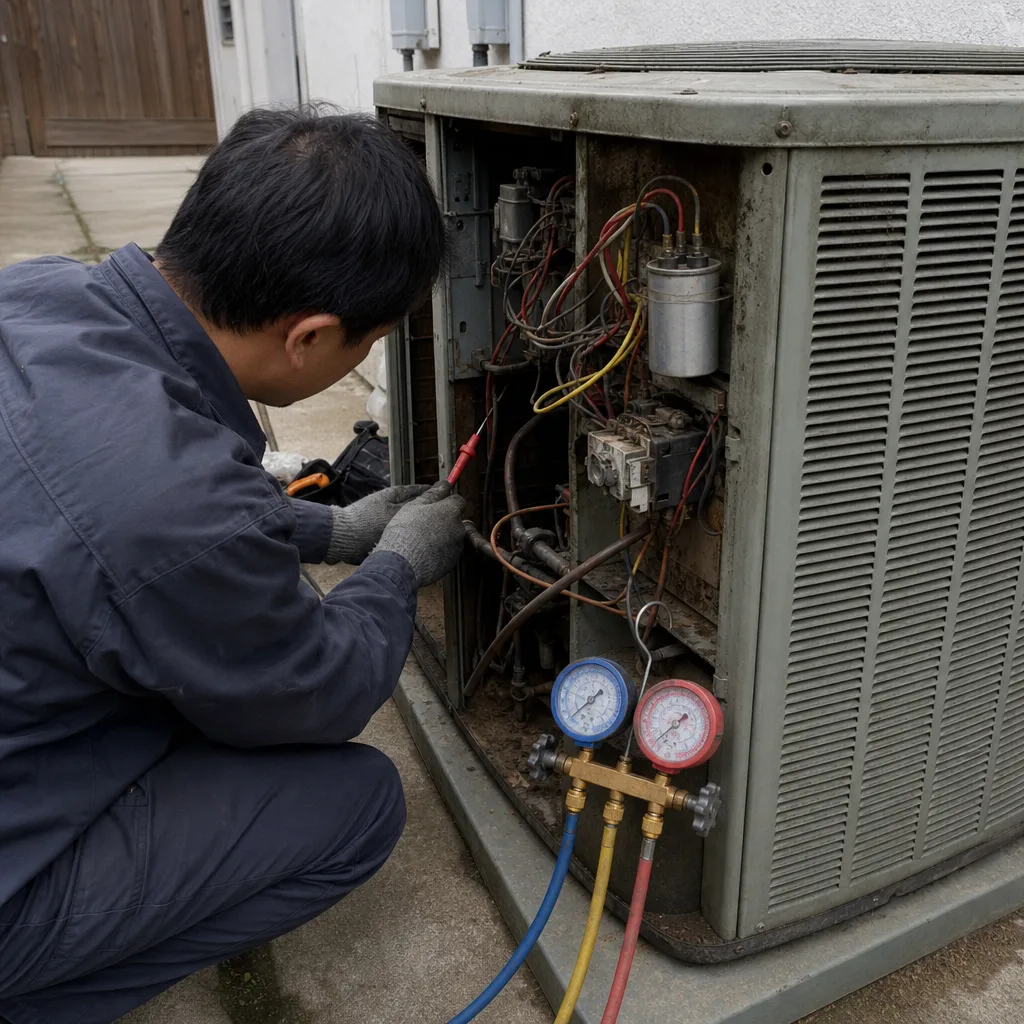 Before
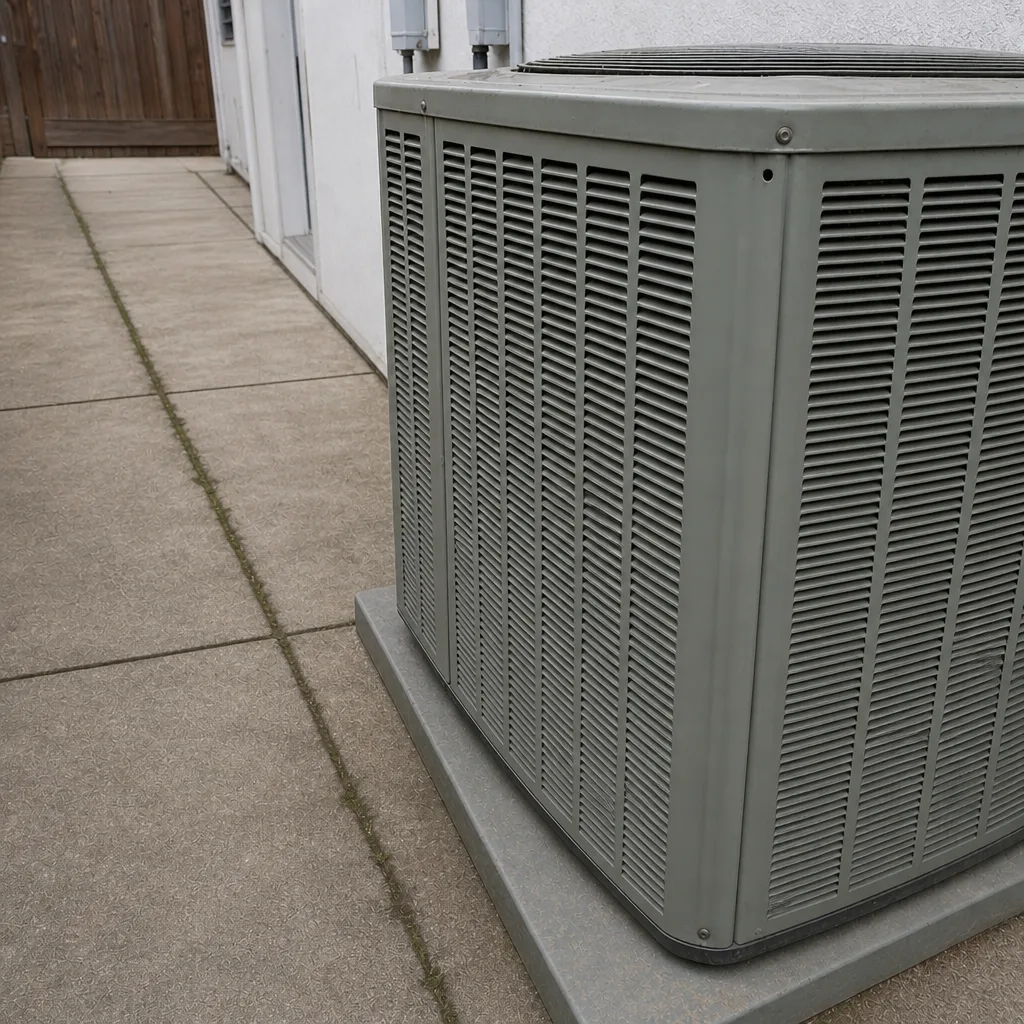 After
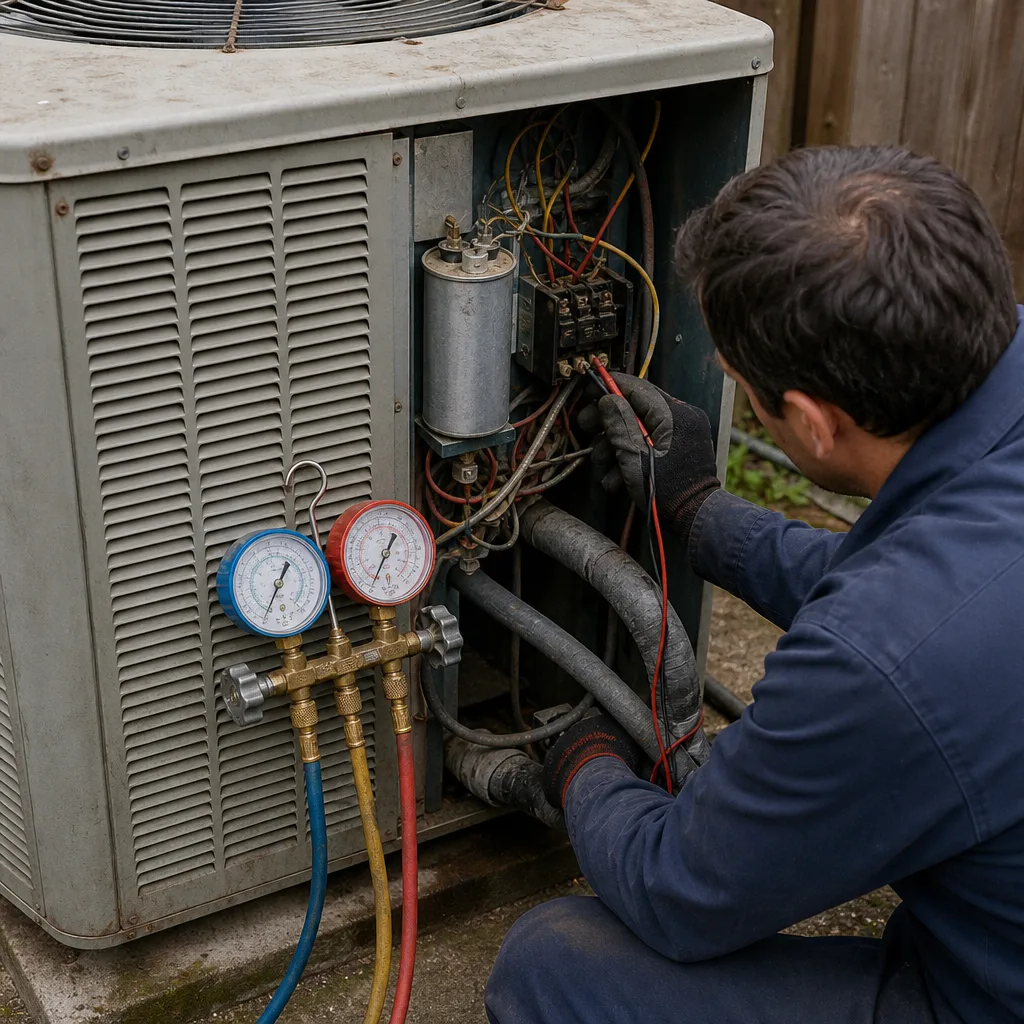 Before
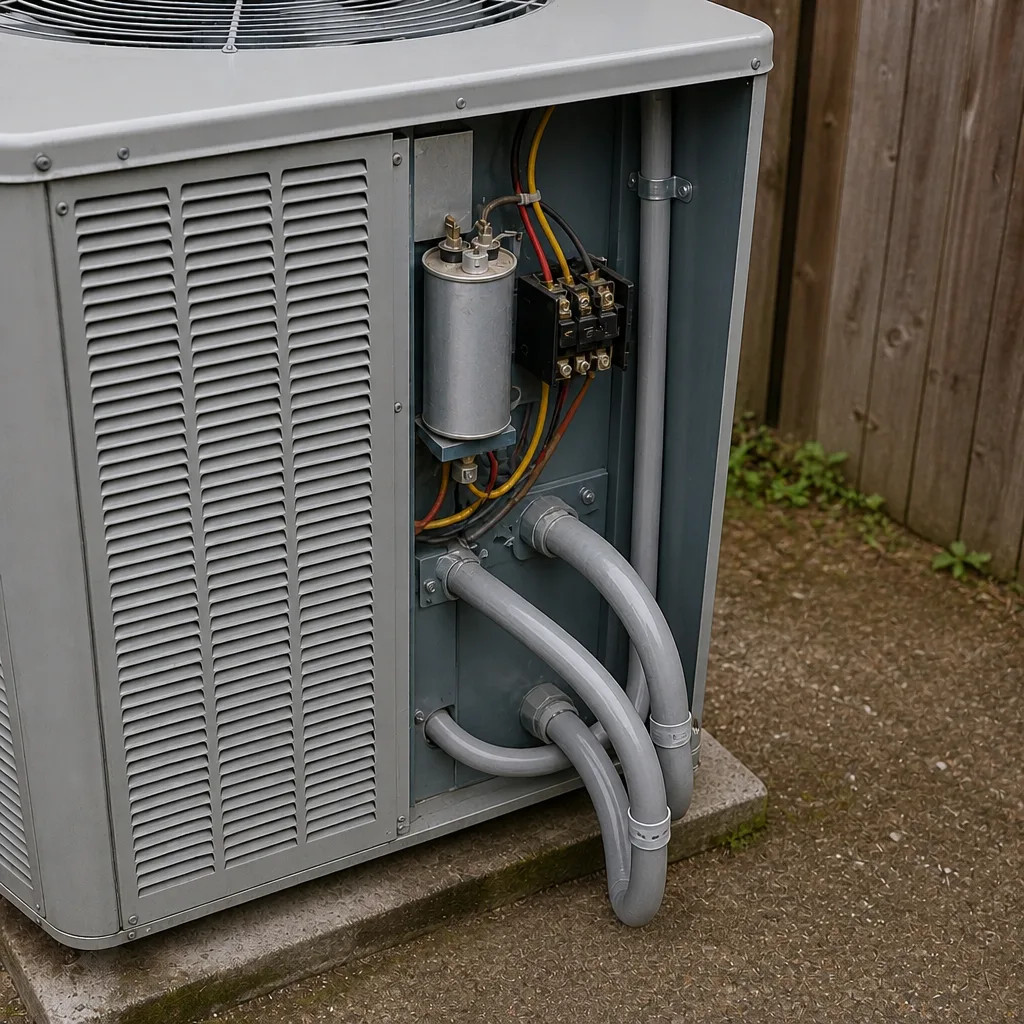 After
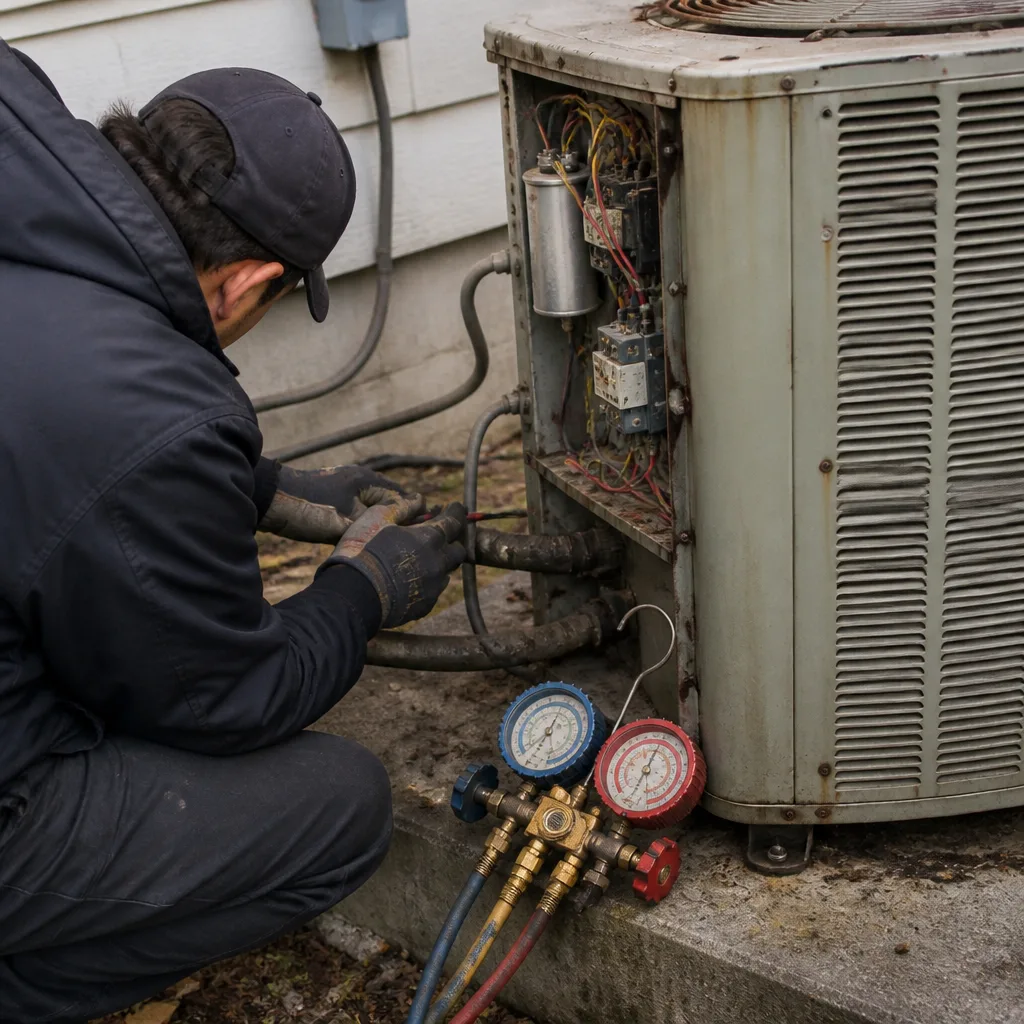 Before
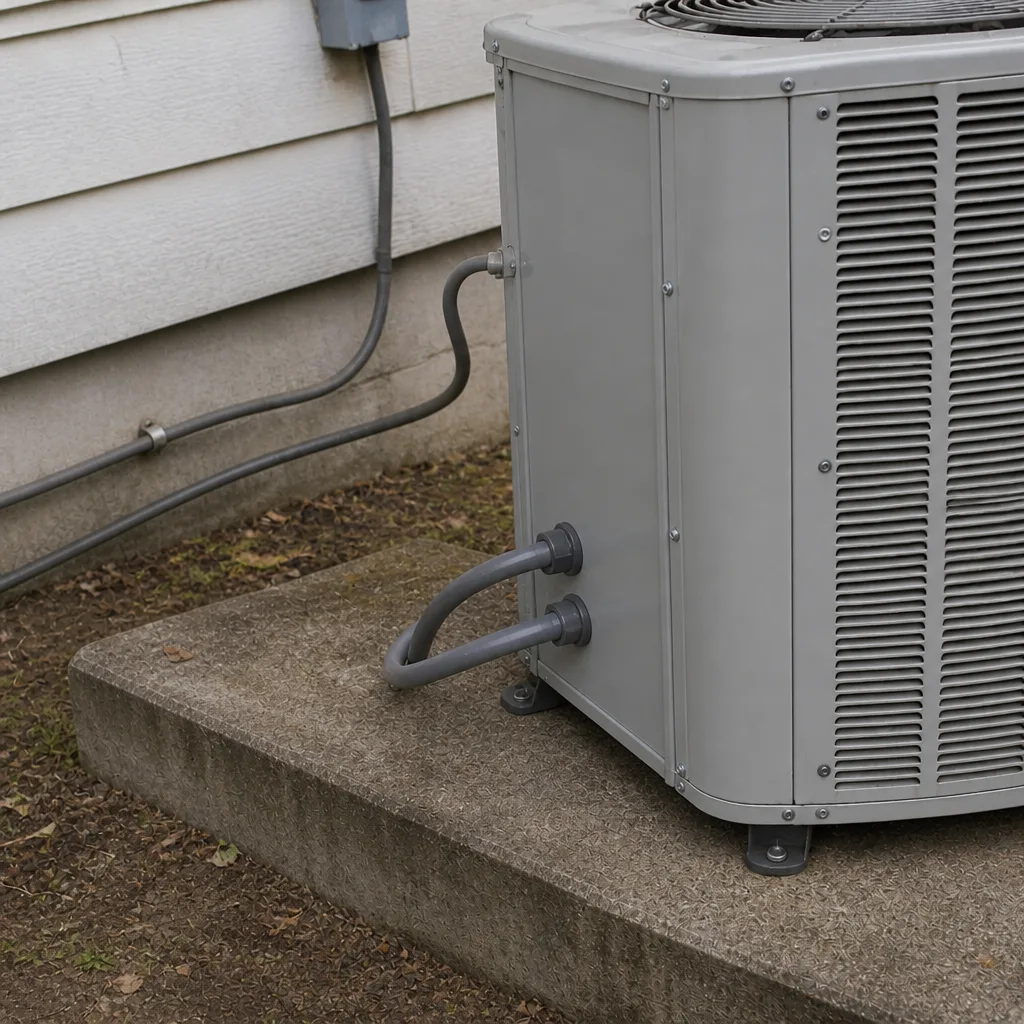 After
When to Call a Professional
Some HVAC work in Sunnyvale is within the reach of a careful homeowner, but the line is thinner than it looks for anything involving permits, gas connections, electrical panels, or refrigerant handling. If your system is running but not performing, if a contractor has told you a replacement doesn’t need a permit, or if you’re staring at a recent install on a home you’re buying and can’t confirm the paperwork, that’s a call worth making early. Gas-fired furnaces, high-voltage electrical connections, and refrigerant circuits are not DIY territory – these involve real risk of injury, fire, or refrigerant release, and they need a trained professional who understands the code requirements and the inspection process. We’d rather answer a question about a permit than fix a problem that came from skipping one. AC Repair Sunnyvale offers free estimates in Sunnyvale – call (833) 573-8799. We answer 24/7. Fast dispatch from 7am to 7pm, Sunday through Friday.
Frequently Asked Questions
Yes. Replacing a condenser, air handler, or coil in Sunnyvale requires a mechanical permit, even when the new unit is the same size as the old one. The permit triggers a city inspection and a Title 24 efficiency verification, both of which protect you at resale. If a contractor quotes a replacement without a permit, ask why – and consider getting a second quote. Call (833) 573-8799 for a free written estimate – estimates are free.
A repair that services existing equipment (swapping a capacitor, blower motor, or contactor on the same unit) typically doesn’t need a permit. A replacement that swaps the actual equipment does. The gray zone is the coil – replacing just the coil on an existing air handler often requires a permit because it changes the refrigerant circuit. When the scope is unclear, call the city’s building department or ask a technician to review the work before it starts.
New residential HVAC equipment installed in California must meet the current Title 24 minimum, which as of 2023 is measured by SEER2 for cooling, HSPF2 for heat pumps, and AFUE for furnaces. The exact minimum depends on the equipment category and the home’s climate zone. The equipment label and spec sheet will show these ratings, and the inspector verifies them against the permit. A contractor should show you these ratings before you sign the estimate.
California requires sellers to disclose material facts about the property, and unpermitted HVAC work is a disclosable item. Missing permits often surface during the buyer’s home inspection and can delay or complicate escrow, sometimes forcing a retroactive permit or a price reduction. If you’re not sure whether the equipment was permitted, check the city’s permit portal and pull the property’s record before you list. Call (833) 573-8799 if you want someone to review the install and tell you what you’re looking at – estimates are free.
Start with the equipment’s data plate – the model and serial numbers tell you roughly when the unit was manufactured. Then search the City of Sunnyvale’s online permit portal by property address for permits in that timeframe. If the portal doesn’t show a clear match, the building department can pull the property’s permit history. A permit that shows “issued” but never “finaled” is worth flagging to whoever handles your inspection or purchase.
The contractor handles the permit application and schedules the inspection. The permit should be included in the written estimate or proposal, and the contractor should walk the job before the inspector arrives. If you’re being asked to pull your own permit, that’s a sign to look at another contractor – the permit process is part of doing the work, not a separate task you’re expected to manage. Our team handles it end to end. Call (833) 573-8799 for a free estimate.
The Bottom Line
Permits in Sunnyvale aren’t a paperwork formality – they’re the record that protects you when you sell, when you file a claim, and when your system is inspected. Equipment replacements almost always need a mechanical permit, Title 24 efficiency minimums apply to anything permitted, and the mechanical inspection is a compliance check, not a performance test. Clear the service area, verify the equipment matches the permit, and keep the final sign-off paperwork. Unpermitted work turns into a disclosure problem, a retroactive permit, or a denied insurance claim, all of which cost more than the permit would have. If you’re planning a replacement or want to verify a previous install, one call handles it.
Call (833) 573-8799 for a free estimate. We answer 24/7. Fast dispatch from 7am to 7pm, Sunday through Friday. Whether your furnace gave out or your AC won’t start, one call handles it – and the permit conversation is part of the job, not a surprise at the end. Nine brands, one team: Carrier, Trane, Lennox, Goodman, Rheem, York, Daikin, Bryant, and American Standard.
Written by the team at AC Repair Sunnyvale.