
Last updated November 15, 2026
 AC repair
 Furnace & heating
 Heat pumps
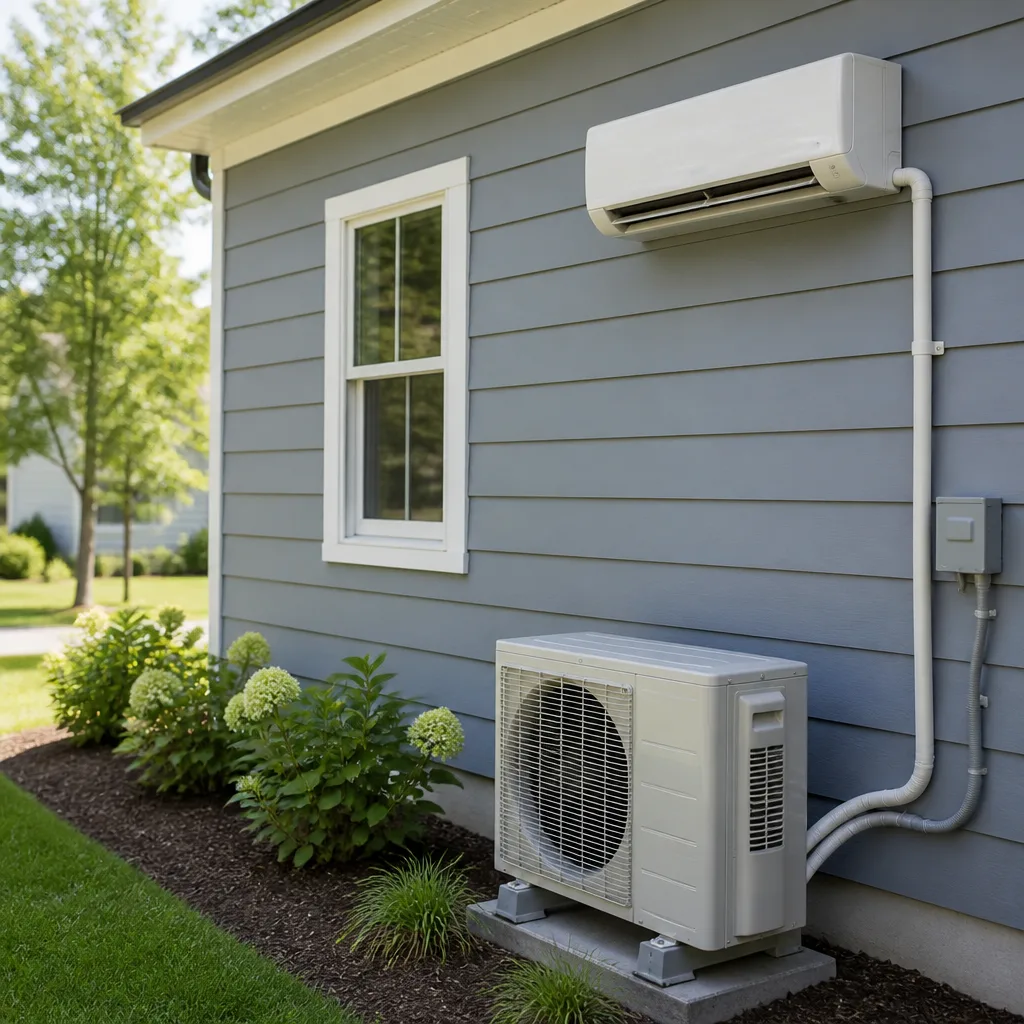 Ductless mini splits
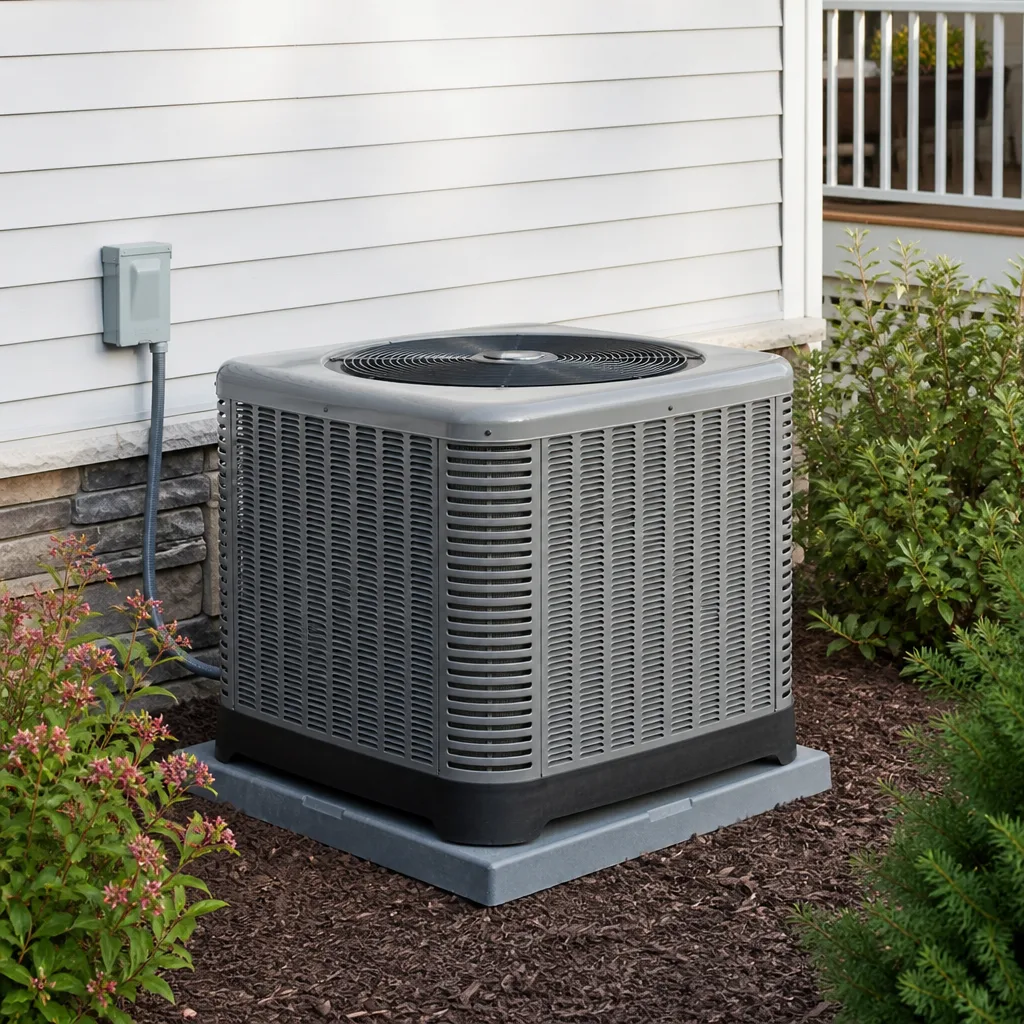 Carrier
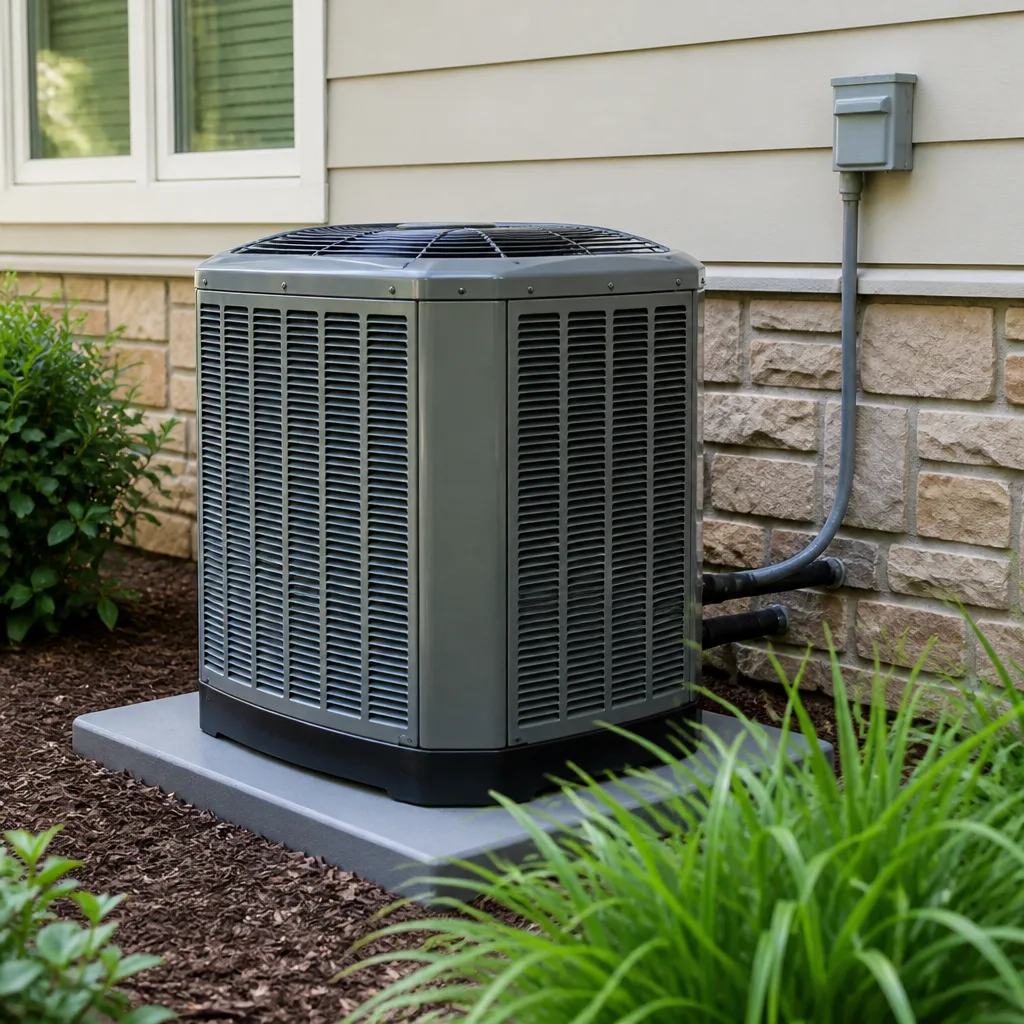 Trane
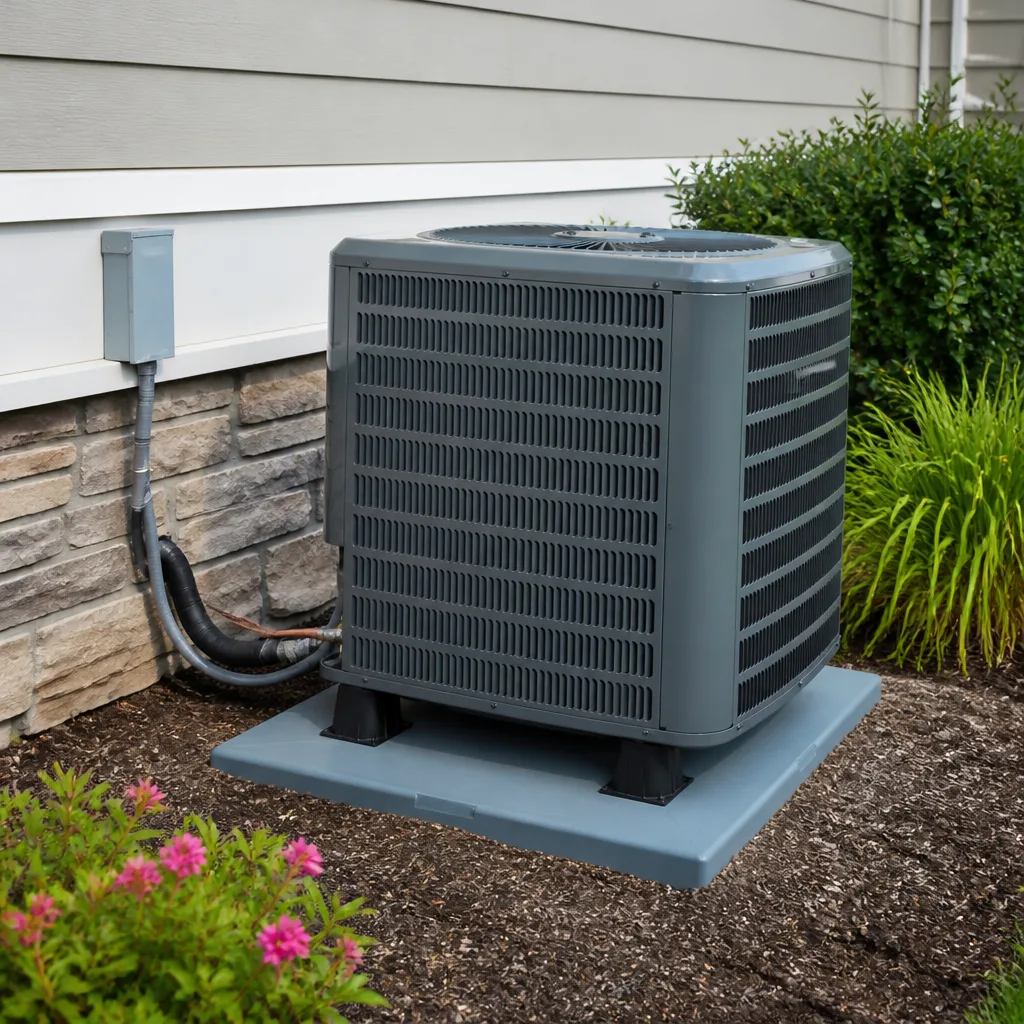 Goodman
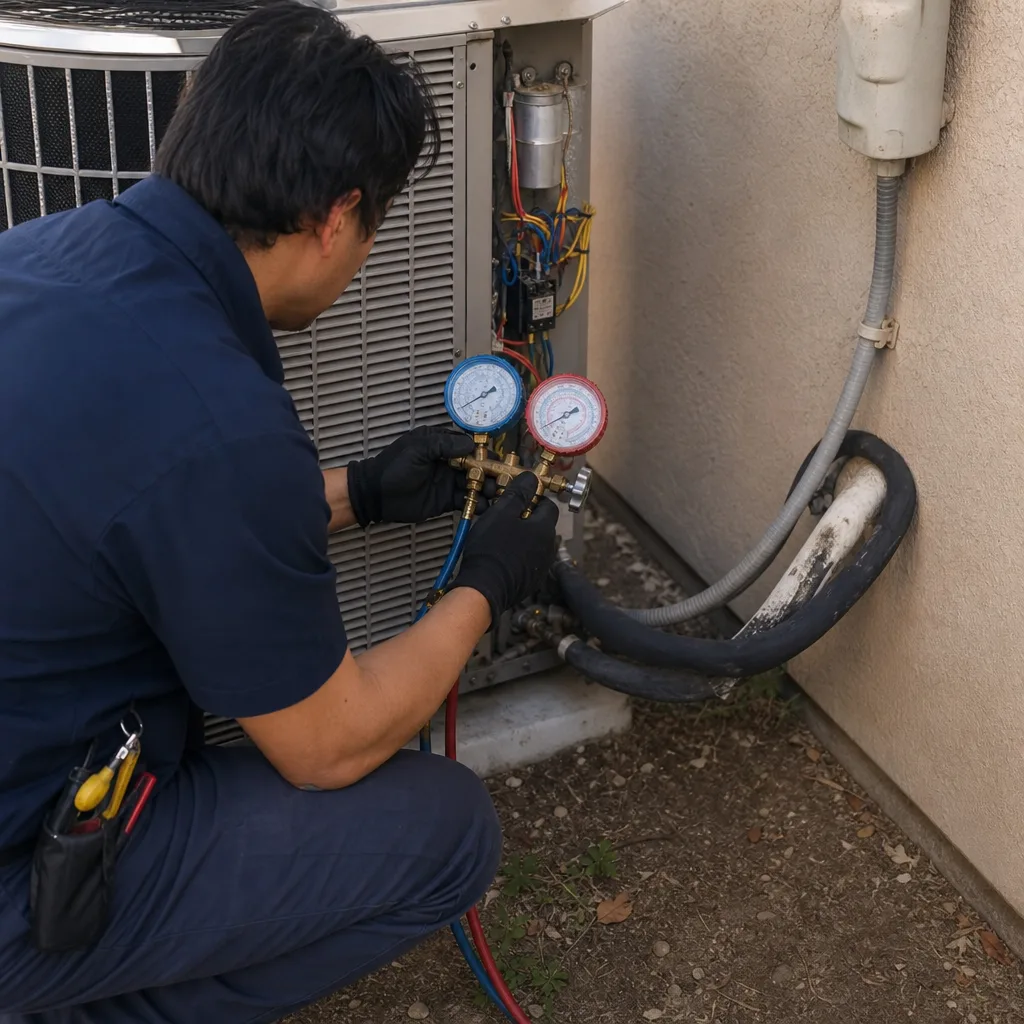
Seasonal tune-up and full diagnostic on your Carrier, Trane, or Goodman system - readings shown to you before any repair is proposed
Diagnosis first, numbers second - you approve the repair price before a single part goes in.
Get your free estimateHVAC Emergency Preparedness Guide for Sunnyvale Homes
Most HVAC emergencies in Sunnyvale aren’t really emergencies. They’re surprises. The system that ran fine last September gets its first real workout on a hot June afternoon and quits within the hour. The furnace that sat idle through eight mild months coughs once in December and goes silent. The failure feels sudden, but the warning signs were usually there for months. What separates a miserable week from a minor inconvenience is almost always the 20 minutes of preparation someone did back in spring. This guide walks through the specific failure windows Sunnyvale homes face, what to check in the first 15 minutes when something breaks, and what to have ready before you call anyone.
Quick Answer
HVAC emergencies in Sunnyvale cluster into two predictable windows: the first sustained heat wave of early summer, when aging AC systems fail under their first real load, and the first cold snap of mid-winter, when furnaces that sat idle for months refuse to start. Preparing your system in spring and fall, knowing a short triage checklist, and having your model number and system age on hand cuts both the downtime and the cost of any breakdown.
Styles & brands we work with
- AC repair
- Furnace & heating
- Heat pumps
- Ductless mini splits
- Carrier
- Trane
- Goodman
Table of Contents
- The Two Sunnyvale Emergency Windows and How to Pre-Position for Each
- First 15 Minutes: Emergency Triage Checklist by System Type
- Managing a Home During an AC-Out Heat Event in Sunnyvale
- Carbon Monoxide Response Protocol for Furnace Failures
- What to Have Ready Before You Call
- Why Brand Familiarity Matters in an Emergency
- A Simple Prep Calendar for Sunnyvale Homes
- Common Mistakes to Avoid
The Two Sunnyvale Emergency Windows and How to Pre-Position for Each
Sunnyvale’s climate is gentle enough that most homeowners don’t think about their HVAC system for months at a time. That’s exactly what makes the failures so disruptive. The system gets no gradual easing into the season; it goes from idle to full load in a single afternoon. In our experience, the calls spike in two clear clusters, and both are predictable enough to prepare for.
Window One: Late May Through July
The first stretch of 90-degree days in Sunnyvale tests every component at once. Refrigerant charge that was adequate in mild weather shows its weakness. A capacitor reaches the end of its life under a load it never carried in spring. A condenser coil packed with pollen and dust from a wet winter can’t shed heat. Pre-positioning for this window means:
- Have the AC checked in spring, before the first heat wave, not after the first failure
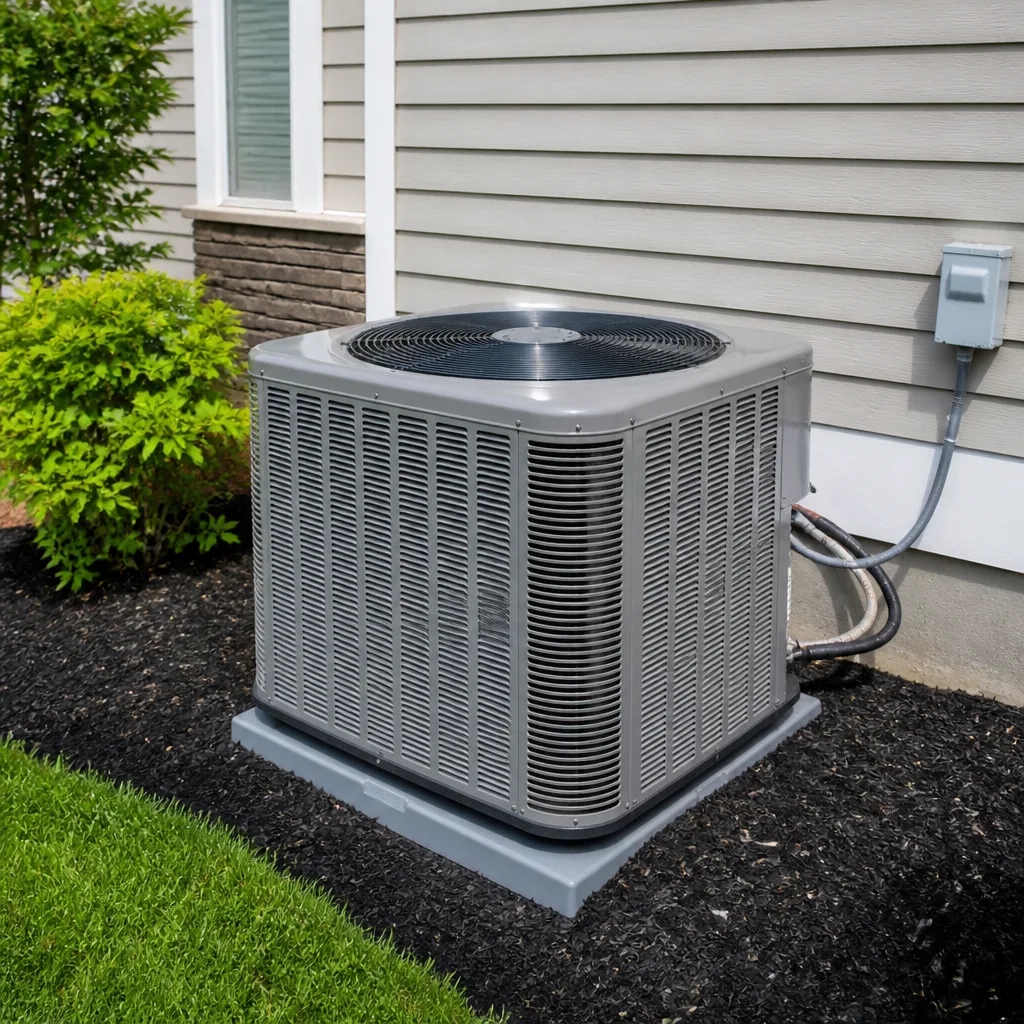
- Clear debris and vegetation at least two feet around the outdoor condenser
- Replace the air filter going into the season rather than waiting for a symptom
- Note any weak airflow or odd noise from the previous summer and get it looked at early
Window Two: December Through February
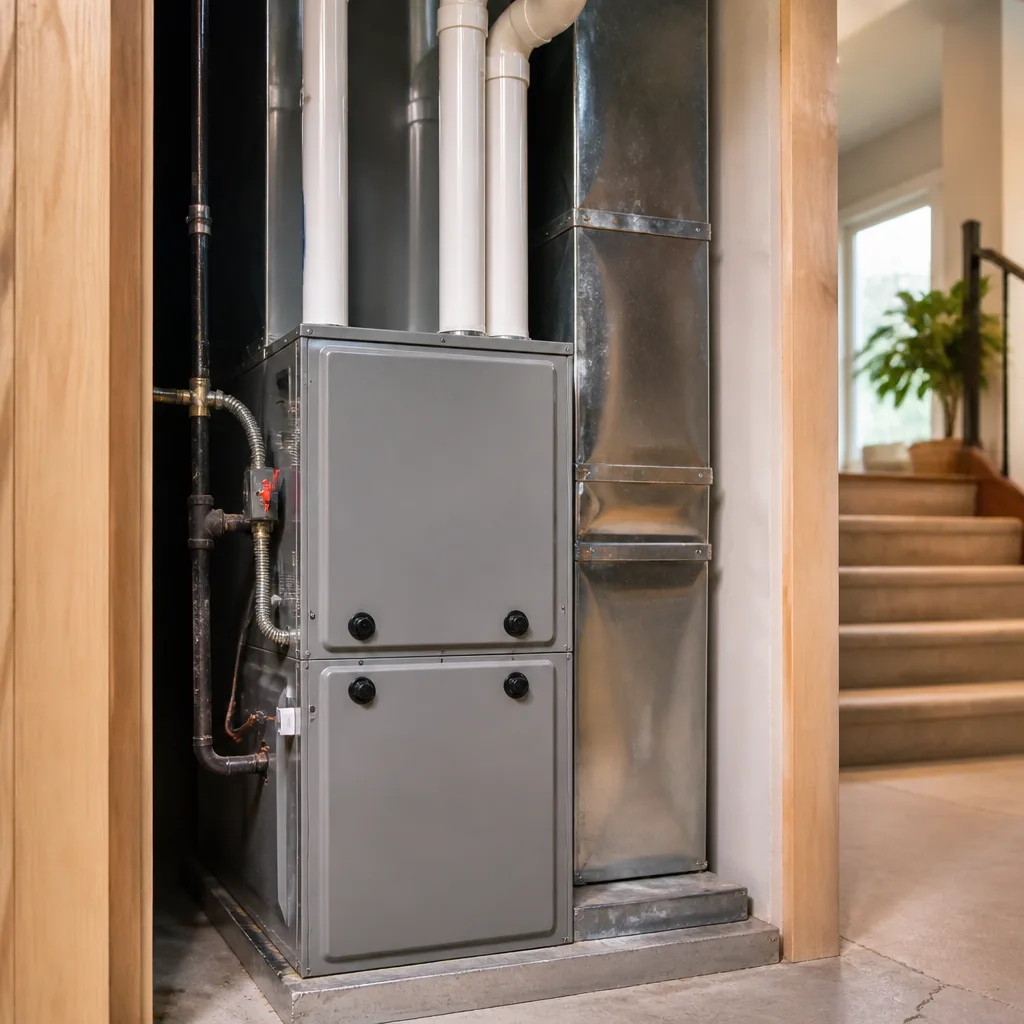
Sunnyvale winters are mild, which is the problem. A furnace can sit unused for eight or nine months, gathering dust in the burners and letting a pilot or ignition system idle. The first genuinely cold morning of the season is when it fails, usually on the day you need it most. Pre-positioning for the furnace window looks different:
- Run the heat for 20 minutes in October, before you need it, to surface a problem while there’s time to schedule a repair
- Replace the filter going into heating season; a clogged filter is behind a surprising share of no-heat calls
- Check that vents and returns aren’t blocked by furniture or rugs after summer rearranging
- Confirm your carbon monoxide detectors are working before the furnace runs regularly
- Write down the furnace model number and approximate age while you’re at it
Both windows reward the same habit: a short check before the season rather than a panicked call during it. Our AC Repair Sunnyvale team handles both sides of the system, so the same company you call in July is the one you call in January for furnace repair.
First 15 Minutes: Emergency Triage Checklist by System Type
When a system quits, your first instinct might be to call immediately. Spend 15 minutes on a quick triage first; it often either solves the problem or gives the technician information that makes the service call faster and more accurate. Do not open panels, touch wiring, or attempt repairs yourself. What follows is what to check, not how to fix.
If the AC Stops Cooling
- Confirm the thermostat is set to COOL and the setpoint is below room temperature, and that the fan isn’t set to ON only.
- Check the air filter. A heavily clogged filter can freeze the indoor coil and stop cooling; replace it if it’s gray and matted.
- Look at the outdoor unit. Is the fan running? Is there frost or ice on the refrigerant lines? Frost points to a refrigerant or airflow issue that needs a technician.
- Check the circuit breaker for the condenser at the panel. If it’s tripped, reset it once. If it trips again, stop and call.
- Note what you hear and see: humming, clicking, a fan that starts then stops, water around the indoor unit.
If the Furnace Won’t Heat
- Check the thermostat is set to HEAT and above room temperature.
- Confirm the filter isn’t clogged and no returns are blocked.
- Check the furnace breaker or the service switch near the unit.
- If you have a pilot light, note whether it’s lit. If it’s out and won’t relight, stop there and call.
- Listen for the sequence: does the inducer fan start? Do you hear ignition clicks? Does it light briefly then shut off? That sequence tells a technician a lot.
Never open the furnace cabinet or the burner compartment to inspect components. Gas and electrical systems inside the unit are for trained professionals only. The best thing you can do in 15 minutes is gather symptoms, not attempt a fix.
Managing a Home During an AC-Out Heat Event in Sunnyvale
If your AC fails on a hot Sunnyvale afternoon, the wait for a technician can stretch during a heat wave when every company is booked. How you manage the house in the meantime matters, and it’s not just about comfort. Sunnyvale’s climate actually helps here: our typical summer days swing wide between afternoon highs and cool nights. That daily swing is your best tool, but only if you use it deliberately.
Which Rooms Stay Coolest
- North- and east-facing rooms stay notably cooler than west-facing ones that bake through the afternoon.
- Lower floors and rooms over a garage or crawl space tend to run cooler than upper bedrooms.
- Interior rooms with no direct sun hold their temperature longer than rooms with large windows.
- Basement-free Sunnyvale homes should focus on the ground floor and interior spaces rather than upper rooms during peak afternoon heat.
When to Open vs. Close Windows
The instinct is to leave everything open. The better move follows the diurnal swing. During the hot afternoon, close windows, close blinds on sun-facing sides, and keep the house sealed against the heat. Once the evening cools down, open windows on opposite sides of the house to pull cool air through, and use fans to push it inside. Close them again in the morning before the heat builds. That cycle alone can keep a Sunnyvale home livable through a repair delay when the nights cooperate.
A Few Practical Moves
- Move the household to the coolest room during the hottest hours rather than spreading out.
- Run ceiling fans and box fans only in occupied rooms; moving air helps even without cooling.
- Avoid using the oven and appliances that throw heat during peak afternoon hours.
- Keep hydrated and check on anyone elderly or medically vulnerable during the outage.
If a heat event is dangerous for someone in the home, don’t wait it out; call us at (833) 573-8799. We answer 24/7.
Carbon Monoxide Response Protocol for Furnace Failures
Furnace failures raise a risk that AC failures don’t: carbon monoxide. Sunnyvale’s housing stock mixes newer homes with sealed-combustion furnaces with a separate outside air intake and older homes with atmospheric furnaces that draw air from the room. Sealed units fail differently than open ones, and a furnace that backdrafts can push exhaust gas indoors. This is the one situation where you do not gather symptoms first; you act.
If Any CO Alarm Sounds or You Notice Symptoms
- Get everyone, including pets, outside into fresh air immediately.
- Do not go back inside to investigate the furnace.
- Call 911 from outside.
- Do not re-enter until emergency responders clear the building.
- Do not run the furnace again until it’s been inspected and cleared by a qualified technician.
Symptoms of CO exposure include headache, dizziness, nausea, and confusion. If they fade on getting outside and recur on going back in, treat that as a strong signal and get help.
Prevention, Which Is the Real Point
- Keep working CO detectors on each level of the home, especially near sleeping areas.
- Have the furnace inspected annually before heating season.
- Never block the flue or vents or stack items around a furnace.
- Know which type of furnace you have; a technician can tell you whether it’s a sealed-combustion or atmospheric unit so you know how it’s meant to vent.
Any gas furnace work, whether a repair or a furnace repair visit in Sunnyvale, is a job for a trained professional. We can work with your concerns here and flag what to watch for, but we won’t walk you through opening the unit yourself, and no one should.
What to Have Ready Before You Call
The most efficient service call starts with information on hand. A technician who knows your system’s age, model, and symptom timeline can often diagnose faster, and might even bring the right part. Keep the following where you can grab it quickly when you call any company, including us.
Information Checklist
- System age: Roughly how old is the furnace and the AC? This shapes whether a repair or replacement conversation is realistic.
- Model and serial numbers: On the furnace, look inside the service panel or on the unit’s data plate. On the AC condenser, a data plate on the outdoor unit carries it. A photo with your phone works fine.
- Symptom timeline: When did the problem start? Was there a moment it changed, like a bang, a smell, a shutdown? Does it happen only on startup, only in the afternoon, only on very hot days?
- What you’ve already checked: Filter, thermostat, breaker. Tell the technician what you did and what happened.
- Permit history: If the system was installed or replaced by a previous owner, having the permit or installer information helps confirm what’s installed and how it was set up.
These are the things that turn a first call from a fishing expedition into a useful conversation. When you’re ready, a written estimate is what sets the final price, and it’s free. For a system replacement rather than a repair, AC installation gets scheduled around a load calculation and a set install date, so having your information ready early helps.
Why Brand Familiarity Matters in an Emergency
When your system quits on a hot afternoon, the last thing you want is a technician who’s seeing your brand for the first time. Different manufacturers use different control boards, ignition sequences, diagnostic codes, and part configurations. A technician familiar with your specific unit can often skip the learning curve and go straight to the likely culprit. Our team is certified to work on nine of the most widely installed residential brands and has up to 10 years of experience: Carrier, Trane, Lennox, Goodman, Rheem, York, Daikin, Bryant, and American Standard.
That breadth matters in a real way for Sunnyvale homes, where you’re as likely to find a Rheem or a York in a mid-century house as a Bryant or a Daikin in a newer one. The portfolio spans both premium and value-tier systems, so we’re not pushing one line over another. When replacement makes more sense than repair, the recommendation is based on what fits your home and budget, not on which manufacturer pays the best incentive.
It also matters that one company can handle both heating and cooling. You don’t want to source a cooling contractor in summer and a separate heating contractor in winter, then hope they talked to each other. One team accountable for the whole system is how a repair or replace conversation stays honest.
A Simple Prep Calendar for Sunnyvale Homes
You don’t need a complicated maintenance schedule. A handful of small actions timed to the seasons is enough to catch most of the failures that turn into emergency calls. Here’s the short version.
- Spring (before the first heat wave): Replace the AC filter, clear the outdoor unit, and have the AC checked. Note any weak airflow from last summer.
- Early summer: Test the AC on a moderate day before a real heat event, so an issue surfaces when scheduling is easy.
- Early fall: Run the furnace for 20 minutes on a cool morning to confirm it starts and heats.
- Late fall: Replace the filter going into heating season, test CO detectors, and clear anything blocking vents or the flue.
- Winter: Keep an eye on the furnace’s behavior; short cycling or odd smells warrant a call.
That’s it. No heroic effort required, and most of it takes an hour across the whole year. The homes that sail through both emergency windows are usually the ones that did this much.
Common Mistakes to Avoid
- Waiting for a real heat wave to test the AC. The first 95-degree afternoon is the worst time to discover a weak capacitor. Test in late spring when a repair can be scheduled without a wait.
- Opening the furnace cabinet to “take a look.” Gas, electrical, and combustion components inside the unit cause serious injury every year. Gather symptoms, don’t open panels.
- Ignoring the filter. A clogged filter can freeze the AC coil in summer and cause no-heat or short cycling in winter. It’s the cheapest fix on the list and the most commonly skipped.
- Assuming a breakdown means replacement. Plenty of Sunnyvale systems that appear dead are a capacitor or ignition part away from working fine for years. A repair-or-replace conversation should be honest.
- Calling without the model number or system age. You’ll spend minutes on the phone reciting basics, and the technician arrives without the info they need to prepare.
- Leaving windows open during a hot afternoon outage. In Sunnyvale’s climate, sealing the house during the day and ventilating at night follows the temperature swing and keeps rooms cooler.
- Dismissing a CO alarm as a false alarm. Get out, call 911, and get the furnace inspected before running it again.
See the difference
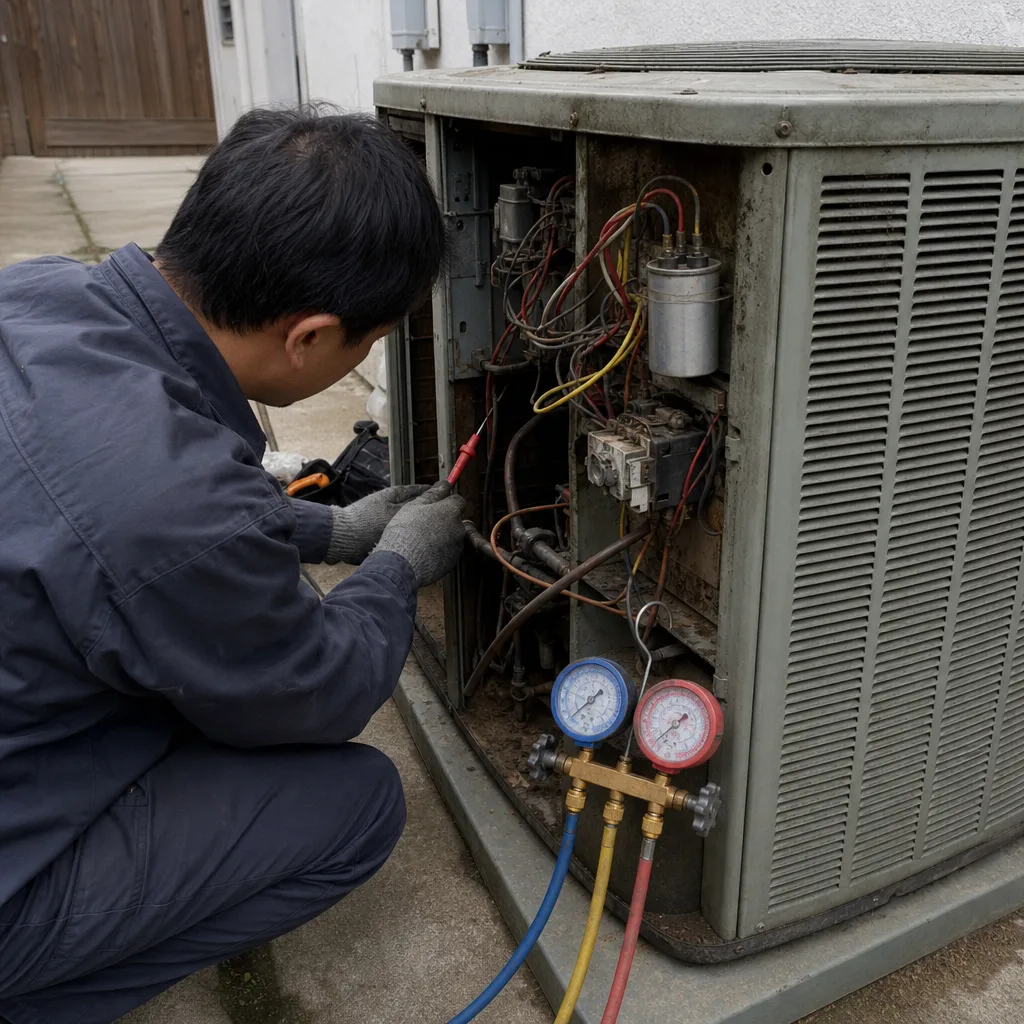 Before
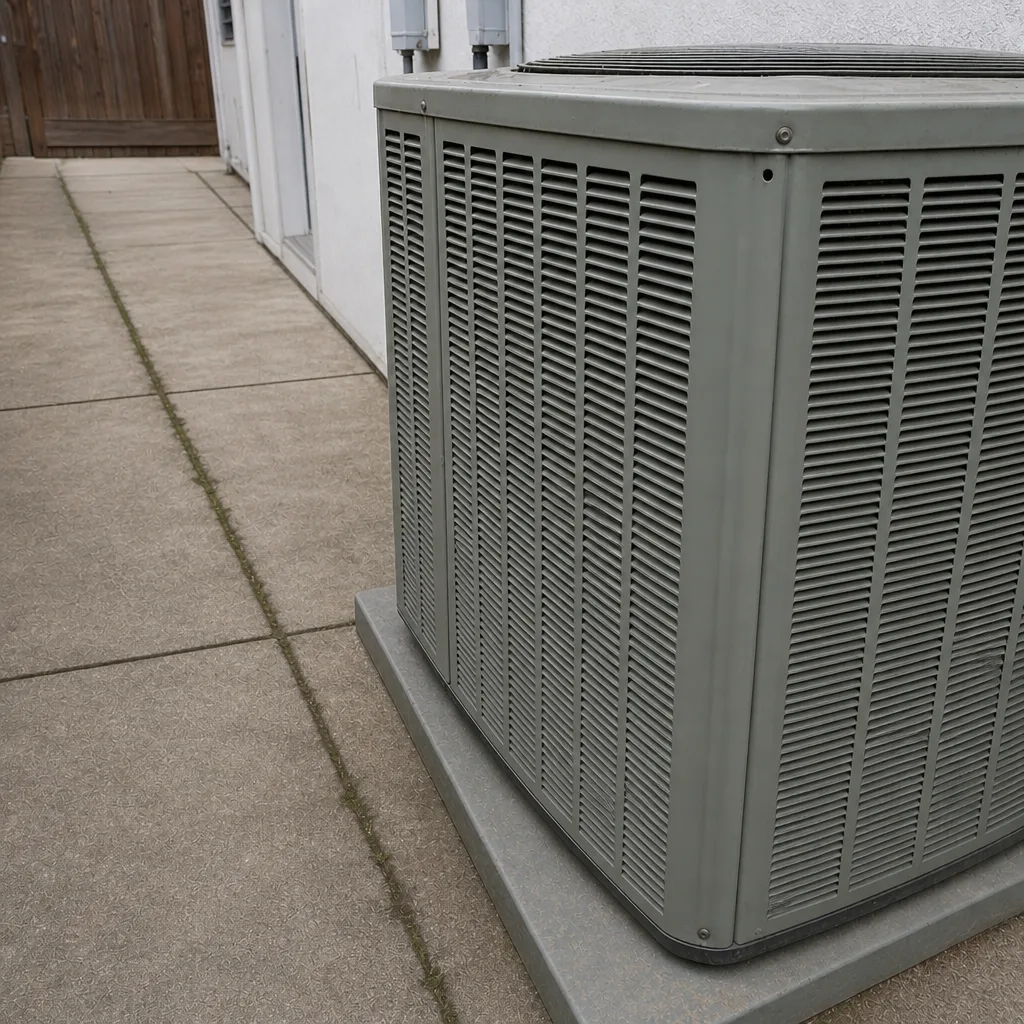 After
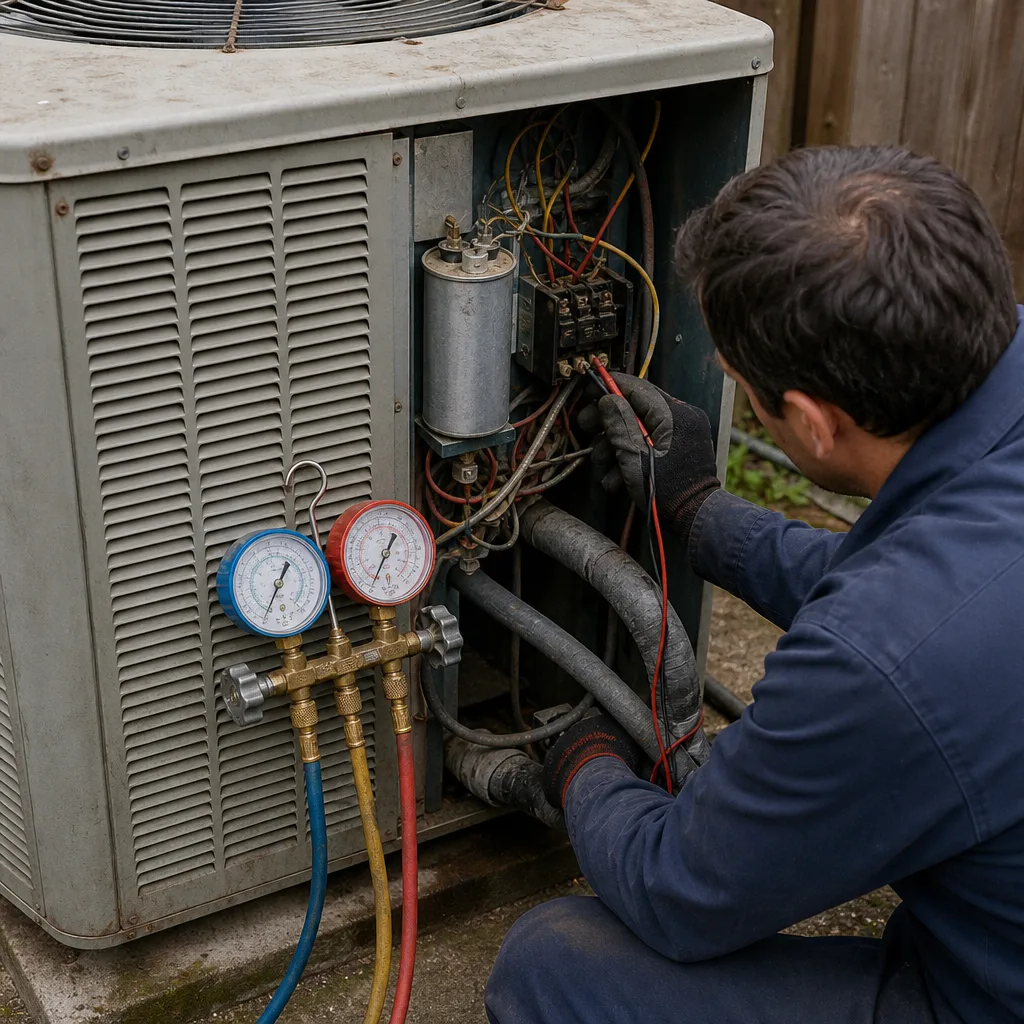 Before
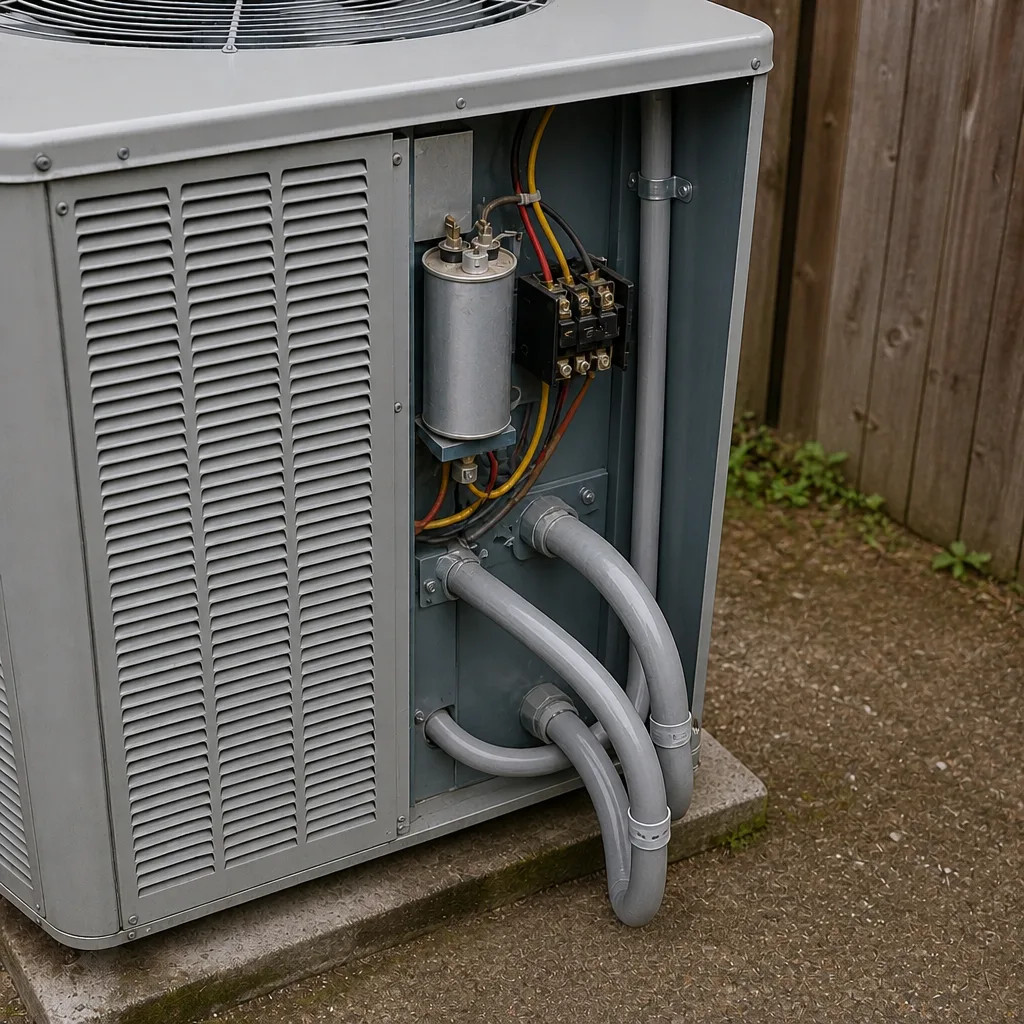 After
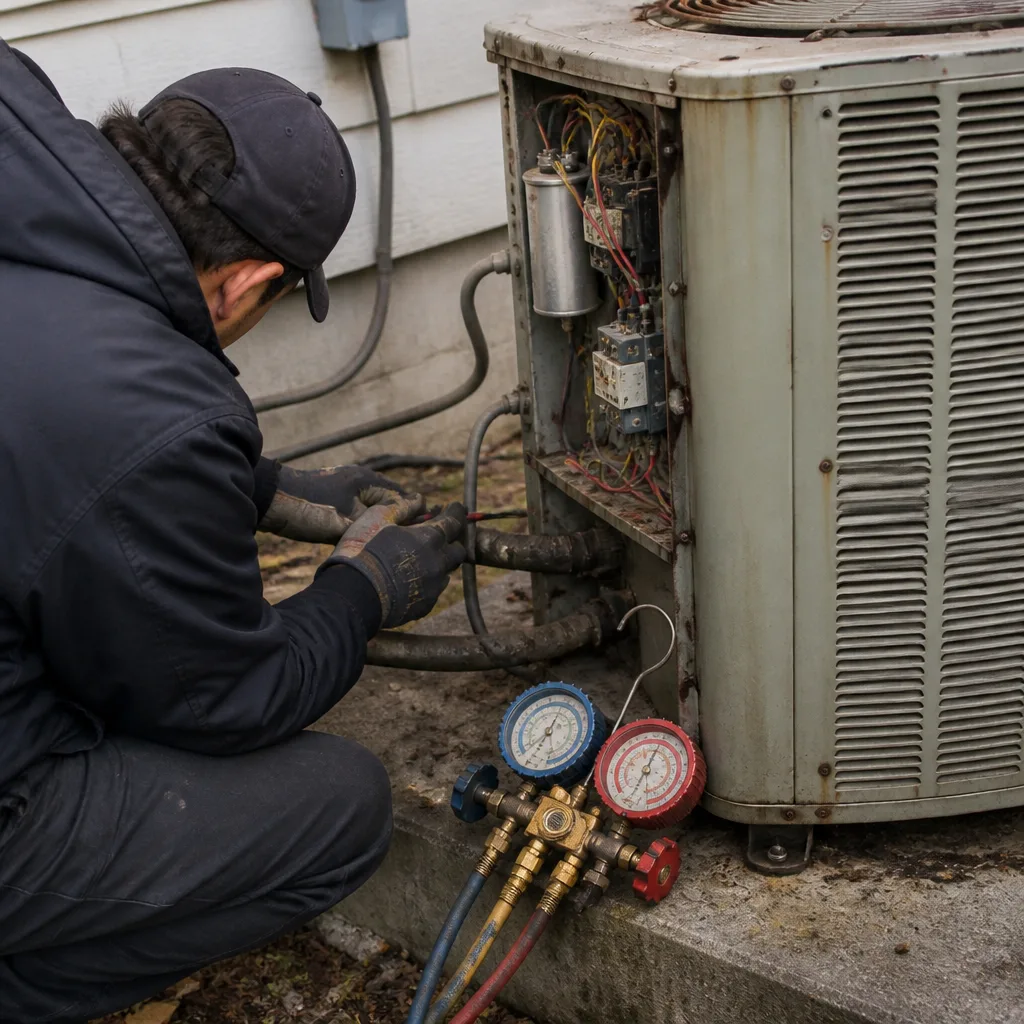 Before
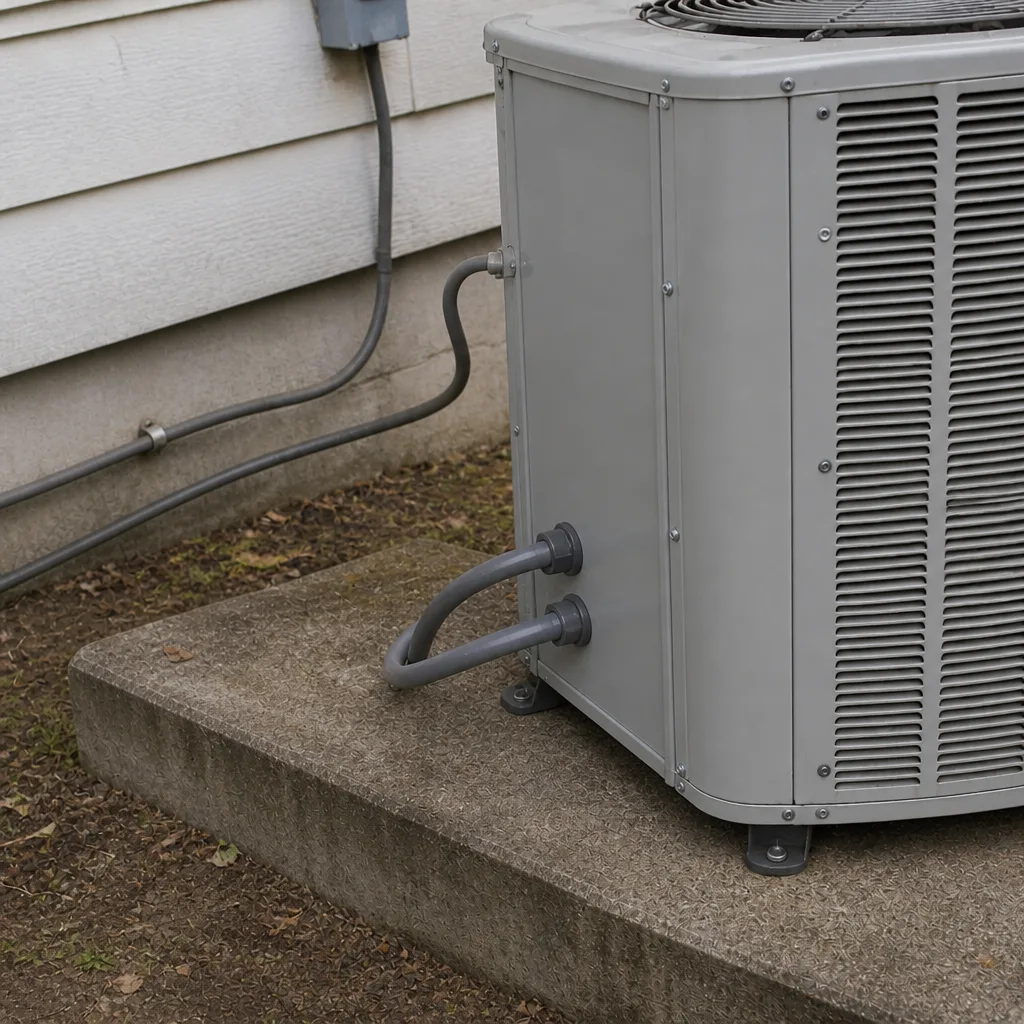 After
When to Call a Professional
Some things are worth a call right away. If your AC has stopped cooling during a heat wave with vulnerable people in the home, if a furnace smells of gas or soot, if a carbon monoxide alarm has sounded, or if a breaker trips again after a reset, call us. Any work inside the gas or electrical sections of a furnace, any refrigerant work, and any repair where you’re unsure of the cause belong with a trained technician. A repair visit to your Sunnyvale home starts with a written estimate, and the estimate is free. For smaller questions, you can book a check without the pressure of a sale. AC Repair Sunnyvale offers free estimates in Sunnyvale. Call (833) 573-8799. We answer 24/7. Fast dispatch from 7am to 7pm, Sunday through Friday.
Frequently Asked Questions
Check the thermostat setting, replace a clogged filter if you have one, look at the outdoor unit, and reset a tripped breaker once. If nothing obvious turns up, note the symptoms and call a technician. Call (833) 573-8799. Estimates are free.
Waits stretch during heat events because demand spikes and scheduling fills. That’s the reason spring prep and an early-season AC check matter so much. Booking before a heat wave hits is the surest way to avoid a long wait. Call (833) 573-8799 for a free estimate.
Usually yes, if there’s no gas smell and no CO alarm; keep the home warm with safe alternatives and book a repair. If you smell gas or a CO alarm sounds, leave and call 911. To schedule a furnace visit, call (833) 573-8799.
A sounding CO alarm, or headache, dizziness, and nausea that ease outdoors and return inside. Get everyone outside and call 911. Don’t re-enter until responders clear it. To have a furnace inspected afterward, call (833) 573-8799.
Not necessarily. Many failures come down to a worn part or an ignition issue, and a repair can be the right call. Ask for an honest repair-or-replace assessment. For a straight answer in Sunnyvale, call (833) 573-8799.
System age, model and serial numbers (a photo of the data plates works), the symptom timeline, what you’ve already checked, and any permit or installer history. That turns the first call into a useful one. Call (833) 573-8799 to get started.
The Bottom Line
Sunnyvale’s HVAC emergencies follow a pattern: first heat wave, first cold snap, and a system that wasn’t checked before either one. The two windows are predictable, which means both are preparable. Test the AC in spring, run the furnace in fall, keep the filter fresh, keep CO detectors working, and have your model numbers somewhere handy. That prep does most of the work. When something does break, triage for 15 minutes without opening any panels, manage the house through the outage, and call. To get a system checked before the next window, call (833) 573-8799 for a free estimate in Sunnyvale. We answer 24/7. Fast dispatch from 7am to 7pm, Sunday through Friday. One team covers heating and cooling across nine major brands, so whether your furnace gave out or your AC won’t start, one call handles it. For more local detail, visit our Sunnyvale page.
Written by the team at AC Repair Sunnyvale.